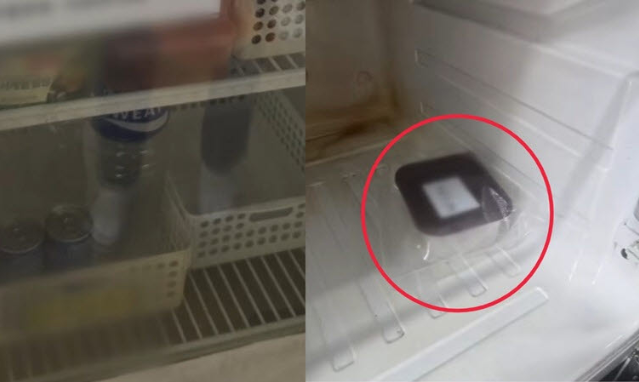
Regulators in South Korea have launched an investigation into a nursing hospital in Seoul following the discovery of a patient's severed toe stored improperly in the facility's kitchen refrigerator, raising serious questions about medical waste management and institutional accountability in the healthcare sector. The incident, disclosed on August 19 by broadcaster KBS, reveals the toe had been kept in a disposable porridge container for roughly two weeks alongside beverages and food condiments before the patient's family uncovered it during a visit.
The severed digit belonged to a man in his 60s who has lived with an intellectual disability and has resided at the hospital for a decade. According to the family's account, they were notified in March that one of his toes had detached, with hospital personnel explaining that the patient had slipped while being transferred in a wheelchair during bathing. The staff attributed the loss to the toe becoming separated due to skin necrosis, a condition already affecting that area of his foot.
However, the family disputes the hospital's handling of the situation, emphasizing that they had received no prior notification regarding a foot ulcer diagnosis, despite the condition being documented in the hospital's own nursing records dating back to December. This communication breakdown underscores a troubling gap between institutional knowledge and family awareness, suggesting inadequate transparency in patient care protocols. For families with relatives receiving long-term care at medical facilities, such lapses represent a fundamental breach of trust and informed consent.
The improper storage arrangement violates multiple regulatory frameworks governing South Korean medical facilities. The nation's Waste Control Act mandates that medical waste be segregated into designated containers specifically designed for biological material, yet the hospital had opted instead to repurpose a food storage container. Additionally, keeping human tissue alongside consumable food items potentially breaches food sanitation regulations, creating a health hazard that extends beyond the immediate patient to encompass broader institutional hygiene standards.
When questioned about the irregular decision, hospital administrators offered a pragmatic but inadequate explanation: they contended that no suitable medical waste container was available at the time, so a nurse improvised by refrigerating the toe to preserve it pending proper disposal. This rationale, while suggesting urgency, fundamentally misunderstands the hierarchical importance of regulatory compliance and biosafety protocols. The justification that emergency circumstances warranted deviation from established procedures represents precisely the kind of institutional thinking that regulators seek to eliminate through oversight.
The incident resonates particularly within Southeast Asia's broader healthcare context, where standards for managing medical waste and protecting vulnerable patient populations vary significantly across countries and individual facilities. Malaysia's own healthcare system, both public and private, operates under similar waste management directives, and this Korean case serves as a cautionary example of how even established hospitals can normalize dangerous practices through insufficient oversight or resource constraints. For Malaysian patients and families relying on long-term care facilities, the story underscores the importance of vigilant monitoring and clear communication channels.
The vulnerability of patients with intellectual disabilities makes institutional safeguards especially critical. Such individuals often cannot advocate effectively for themselves or immediately report concerning practices to family members, rendering them dependent on external oversight and institutional ethics. When hospitals fail to maintain transparent communication with relatives or adhere to basic biosafety standards, patients in this cohort face compounded risk. The decade-long residency of this particular patient at the facility raises additional questions about whether his condition and care quality had been adequately monitored over time.
South Korea's Health Ministry responded by instructing local government authorities to conduct a comprehensive administrative investigation into the nursing hospital's operations and compliance record. This escalation from ministry level suggests regulatory bodies are treating the matter seriously as a systemic concern rather than an isolated operational misstep. The investigation will likely examine not only the specific incident but also broader patterns regarding waste management procedures, staff training, family communication protocols, and quality assurance mechanisms at the facility.
The case highlights the tension between resource constraints and regulatory obligations facing healthcare facilities across the region. While the hospital's claim about lacking appropriate containers may reflect genuine equipment shortages, it simultaneously reveals a failure of institutional planning and risk management. Facilities serving vulnerable populations should maintain adequate supplies of compliant storage and disposal materials as a baseline operational requirement, not treat them as optional enhancements.
For stakeholders in Malaysia's healthcare ecosystem—patients, families, administrators, and policymakers—this incident offers important lessons about institutional accountability and the consequences of normalized corner-cutting. The story demonstrates that regulatory violations often emerge not from intentional misconduct but from accumulated small decisions that devalue compliance. Strengthening healthcare oversight requires not only clear written standards but also genuine commitment to enforcement and a culture within institutions that prioritizes patient dignity and safety above operational convenience.

