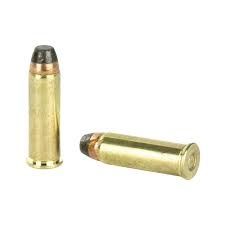
A serving police officer in South Korea's Gyeonggi province is the subject of a formal inquiry launched by Jeju Island authorities after he was apprehended attempting to board a domestic aircraft while carrying live ammunition. The incident occurred on June 28 when airport officials at Jeju Airport discovered two rounds on the officer, who is in his 30s, as he prepared to depart for Gimpo Airport. The Jeju Seobu Police Station initiated the investigation into the breach, charging the officer with violating the Act governing the safety management of guns, swords and explosives—a reflection of South Korea's stringent approach to firearms security.
The discovery highlights a troubling gap in enforcement procedures, particularly given that airport screening at Gimpo failed to detect ammunition when the same officer boarded the return flight to Jeju just two days earlier on June 26. This inconsistency in security protocols at multiple checkpoints raises questions about the robustness of baggage screening systems at South Korean airports, even for relatively low-capacity ammunition. The fact that live rounds escaped detection during an outbound journey before being caught on the return leg underscores potential vulnerabilities in the screening infrastructure that the aviation authorities may need to address.
Forensic analysis conducted by the National Forensic Service determined that the ammunition consisted of two .38-calibre rounds, the standard-issue cartridge for most police officers throughout South Korea. This detail is significant because it indicates the officer had access to ammunition through his official capacity, making the incident less a case of external smuggling and more a matter of mishandling and improper storage of state-issued ordnance. The use of standard-issue ammunition also suggests the rounds were not contraband but rather stemmed from negligence or deliberate breach of internal protocol.
When questioned by investigators, the officer provided an account that complicated the matter further. He claimed to have received the bullets from a former colleague who had recently retired from service. This explanation raises concerns about the transition procedures governing firearms and ammunition when officers leave the force. If retiring officers retain access to live rounds or can distribute ammunition to active colleagues, it suggests that decommissioning protocols may lack sufficient oversight. The transfer of ammunition between individuals—whether active or retired—fundamentally contradicts standard operational security practices.
South Korea maintains exceptionally rigorous regulations governing civilian and professional handling of firearms and live ammunition. The nation's approach reflects both its cultural commitment to public safety and its historical experience with security challenges. For law enforcement personnel, these constraints are particularly strict, designed to prevent the proliferation of weapons and ammunition within civilian populations. Officers are explicitly required to store personal firearms at their respective station armouries rather than at home or in personal custody, a regulation that extends implicitly to ammunition as well.
The implications of this case extend beyond the individual officer's misconduct. It exposes potential weaknesses in how police departments manage the chain of custody for ammunition and firearms, particularly during personnel transitions. If an officer can casually obtain live rounds from a retiree and transport them across the country on commercial flights, the institutional safeguards meant to prevent such incidents appear inadequate. The investigation will likely examine not only the officer's actions but also his former colleague's role in distributing the ammunition and whether appropriate decommissioning procedures were followed.
For Malaysian and Southeast Asian readers, this incident illustrates how even highly developed nations with sophisticated security infrastructure can face enforcement gaps. While South Korea's regulatory framework is substantially stricter than most regional standards, the breach demonstrates that rules alone cannot ensure compliance without robust monitoring and accountability mechanisms. The case underscores the importance of integrated airport security protocols, consistent training for enforcement personnel, and surprise audits of police armouries.
The investigation's findings may prompt South Korea to revise its procedures for ammunition handling during officer retirements and transfers. Enhanced screening at airports specifically calibrated to detect metallic ammunition, regardless of quantity, could become standard practice. Additionally, the case may trigger a broader audit of how police stations manage their ammunition inventory and whether officers are subject to periodic checks or random inspections to ensure compliance with storage regulations.
This incident also reflects a broader challenge facing law enforcement agencies worldwide: balancing operational necessity with rigorous security protocols. Police officers require access to weapons and ammunition to perform their duties, yet that same access creates potential vulnerabilities if oversight mechanisms fail. The South Korean case demonstrates that even trusted professionals within the system can compromise security through negligence or poor judgment, suggesting that institutions must implement checks that function as backstops to individual compliance.
The investigation's ultimate outcome will signal how seriously South Korea treats breaches of firearms safety protocols among its own officers. A lenient resolution might suggest that such violations, while technically serious, carry limited consequences in practice. Conversely, a firm response could reinforce the message that ammunition handling is non-negotiable regardless of rank or tenure. Given South Korea's historical commitment to strict firearms regulation, a meaningful consequence seems likely, potentially influencing how police departments across the country approach their security protocols and ammunition management procedures.

