South Korean police have brought in a senior executive from the Starbucks operator Shinsegae Group for questioning as part of their investigation into a promotional campaign that inadvertently commemorated one of the nation's darkest chapters. The interrogation of Yang Jong-hwan, who heads the company's audit division, represents the latest development in a scandal that has exposed deep corporate negligence and reignited sensitivity surrounding the 1980 Gwangju uprising.
Starbucks Korea, which operates over 2,000 outlets across the country under a licensing arrangement with Shinsegae Group, unveiled a reusable cup promotion on May 18 that immediately triggered widespread public anger. The date held profound historical significance—it marked the 46th anniversary of the Gwangju uprising, a military crackdown that resulted in the deaths of at least 165 civilians, though independent investigations and survivor accounts suggest the true casualty figure substantially exceeded official records.
For many South Koreans, particularly those in Gwangju province, May 18 represents a solemn commemoration of democratic martyrs and state violence. The timing of a light-hearted promotional campaign on this date appeared tone-deaf at best and deliberately provocative at worst, transforming what should have been a routine marketing exercise into a national controversy that dominated headlines and social media discourse.
The corporate response moved swiftly but could not contain the damage. Within 24 hours of the scandal breaking, Shinsegae terminated its Korea chief executive, signalling the gravity with which senior leadership viewed the misstep. Subsequently, Shinsegae Group chairman Chung Yong-jin delivered a public apology, bowing in traditional fashion to acknowledge the hurt caused to victims' families and the broader public.
However, these damage-control measures failed to prevent escalation. A civic organisation filed formal complaints against Chung and other company leaders, alleging violations of a 2016 law that prohibits the dissemination of misleading information regarding the 1980 pro-democracy uprising. The complaint further alleged defamation and insulting conduct, suggesting that negligence alone was insufficient legal grounds and that the incident merited investigation under statutes designed to protect the historical record and honour the dead.
Investigations by Shinsegae themselves revealed a chain of organisational failures that enabled the promotion to proceed. Multiple officials approved the campaign materials without properly reviewing the design files or considering the calendar significance of the selected date. This pattern of oversight—where critical decisions passed through numerous approval stages without adequate scrutiny—pointed to systemic failures in corporate governance rather than isolated individual errors.
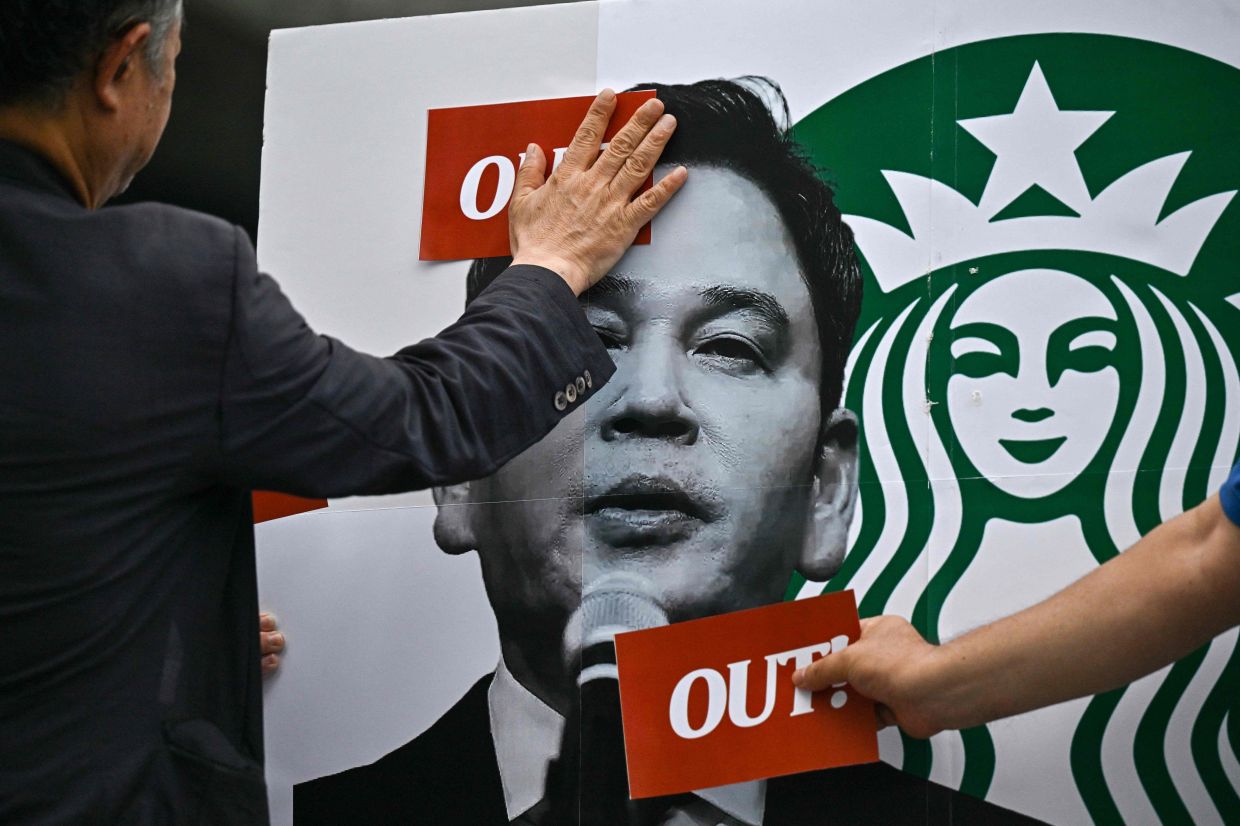
The incident triggered immediate and visible public resistance. Protests erupted in Seoul and Gwangju, with demonstrators expressing outrage that a major multinational corporation could commit such an apparent insult to national memory. The commercial consequences proved substantial, with Starbucks Korea experiencing sharp sales declines in the immediate aftermath of the scandal, particularly in Gwangju where the uprising occurred and memories remain especially vivid.
To address the reputational damage and demonstrate commitment to historical awareness, Starbucks announced mandatory educational programming. All store staff across South Korea will participate in a half-day closure on Monday for a lesson on the 1980 crackdown, moving historical education from abstract concept to lived corporate responsibility. Senior leadership, including the chairman, will undergo similar instruction two days later, a public commitment to personal learning that underscores organisational accountability.
The controversy has thrust South Korean business practices into international scrutiny, particularly given Starbucks' significant market presence in the country. South Korea represents the coffee chain's third-largest market globally after the United States and China, making the brand's reputation highly consequential for both Starbucks International and Shinsegae's corporate standing. The incident raises questions about whether major corporations adequately screen campaigns for cultural and historical sensitivity, especially when operating in markets with profound recent historical trauma.
Political figures have seized on the incident as emblematic of corporate irresponsibility. President Lee Jae Myung condemned the promotion as inhumane and disgraceful, using the language of moral failure rather than mere marketing error. This framing elevated the discussion beyond commercial mismanagement to questions of national values and corporate citizenship.
The police investigation represents a turning point where the incident transitions from corporate scandal to potential legal matter. The 2016 law invoked by the civic complaint reflects South Korea's ongoing effort to legally protect historical truth regarding the uprising, establishing that certain forms of negligence regarding this history can constitute criminal conduct. This legal framework suggests that corporate actors cannot claim immunity from accountability simply by attributing errors to careless processes rather than intentional wrongdoing.
For Malaysian readers and Southeast Asian observers, the Starbucks case illustrates how major corporations must navigate complex national sensitivities, particularly in markets where recent history continues to shape collective memory and identity. The incident serves as a cautionary tale about the inadequacy of generic global marketing approaches when applied to specific cultural contexts, and demonstrates that reputational recovery requires substantive commitments beyond public apologies—including structural changes in corporate processes and visible educational efforts.
As investigations continue, the full consequences for Shinsegae executives remain uncertain, but the case has already fundamentally altered how South Korean companies approach calendar-sensitive dates and cultural commemoration. The mandatory history lessons signify an attempt to transform corporate culture itself, embedding historical awareness into operational procedures rather than treating it as peripheral to business concerns.