Investigators from South Korea's police force descended on the Korea Football Association's headquarters on Thursday as part of an intensifying probe into what critics say was an irregularly conducted appointment process for the men's national team coach in 2024. The search operations targeted both the KFA's main office in Cheonan, situated roughly 90 kilometres south of the capital Seoul, and the federation's central Seoul location, marking a significant escalation in scrutiny of the organisation's governance practices.
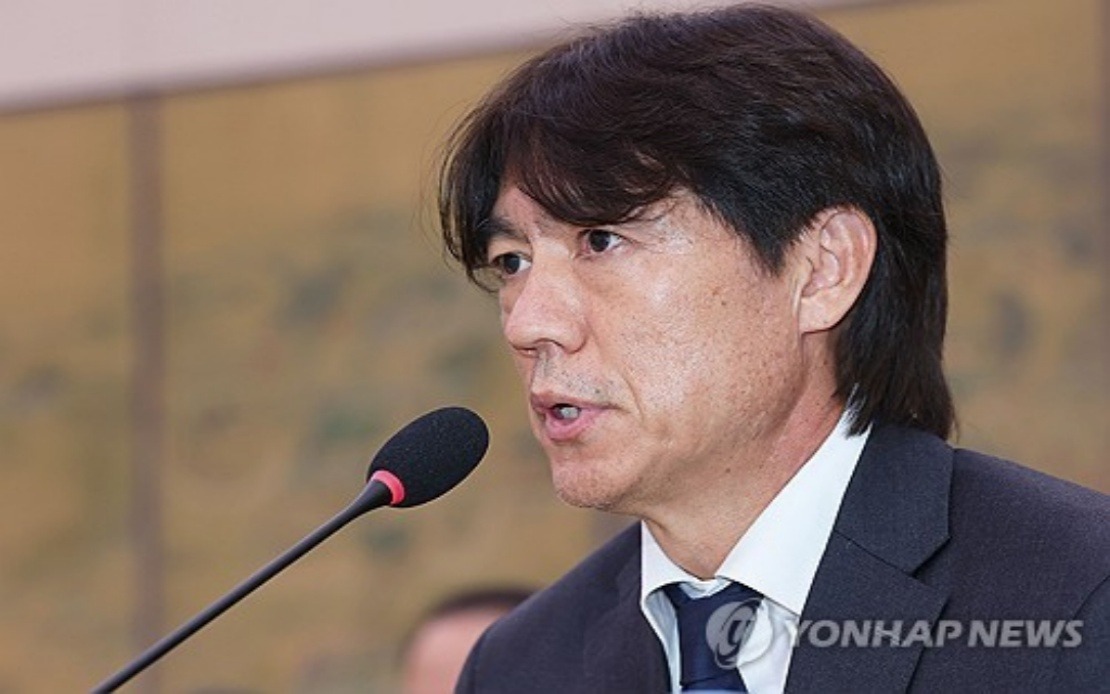
At the centre of the investigation lies the July 2024 appointment of Hong Myung-bo to lead South Korea's football programme, an installation that has come under intense public and political scrutiny since the national team's disappointing group-stage exit from the FIFA World Cup. The circumstances surrounding how Hong secured the position have sparked widespread allegations that established protocols were bypassed and that individuals without proper authority influenced the decision-making process. These concerns have galvanised public interest in the case, transforming what initially appeared as an administrative matter into a broader question about institutional accountability within South Korean sports governance.
According to reports, the appointment process itself involved questionable procedures that deviated significantly from established norms. Former technical director Lee Lim-saeng, who held no official authority over coaching appointments, allegedly offered Hong the position during an informal meeting at a bakery located near Hong's residence. This unconventional approach stands in sharp contrast to the transparent and structured recruitment processes typically followed by major football associations, suggesting that the appointment may have circumvented necessary oversight mechanisms designed to ensure merit-based decision-making.
The police investigation has broadened to encompass potential misconduct by multiple senior figures. Former Korea Football Association president Chung Mong-kyu and the aforementioned Lee Lim-saeng are now subjects of inquiry regarding their possible interference in the appointment machinery. Investigators are examining whether these officials misused their positions to influence outcomes in ways that contravened established procedures, thereby undermining the association's integrity and decision-making processes.
A civic advocacy group elevated concerns about the appointment process by formally lodging a complaint against both Hong and Chung, alleging obstruction of duties, breach of trust, coercion, and intimidation. This legal challenge reflects broader public dissatisfaction with how the football association conducts its affairs and suggests that organisational culture at the KFA may require substantial reform to restore public confidence. The willingness of citizens to pursue legal remedies indicates the seriousness with which South Korean society views governance failures in sports institutions.
Notably, the police investigation has been ongoing for approximately two years, yet gained renewed momentum following South Korea's World Cup elimination. Hong himself resigned from his position at the end of June after the national team's failure to advance beyond the group stage, effectively ending his tenure before the controversy fully crystallised in public discourse. He was subsequently questioned by police investigators as a suspect in the case on Tuesday, subjecting him to formal interrogation regarding his knowledge and involvement in the alleged irregularities.
The investigation's timeline reveals the delayed nature of institutional accountability mechanisms. What began as an initial police inquiry years earlier was only reinvigorated once international sporting embarrassment heightened public pressure for answers about the federation's internal processes. This pattern suggests that without high-profile triggering events, organisations may escape meaningful scrutiny of questionable decisions made behind closed doors.
Parallel to the police investigation, South Korea's legislative branch has begun exercising its oversight responsibilities. During a parliamentary hearing held in late July, lawmakers subjected both Hong and Chung to rigorous questioning regarding various aspects of the Korea Football Association's management and governance, with particular emphasis on how the coaching appointment transpired. These legislative inquiries complement the criminal investigation, creating multiple avenues through which accountability is being pursued at institutional, legal, and political levels.
For Malaysian and Southeast Asian observers, the South Korean case offers instructive lessons regarding governance structures within sports organisations across the region. Many Asian football associations face similar challenges balancing administrative autonomy with public accountability, and the systematic examination now underway in South Korea may prompt similar scrutiny elsewhere. The case demonstrates how informal decision-making processes and inadequate checks on executive authority can undermine institutional credibility and organisational performance simultaneously, affecting both the professional reputation of football administrators and the competitive outcomes of national teams.
The broader implications extend beyond football administration into questions about how major sports federations throughout Asia maintain standards of transparency and institutional integrity. As Southeast Asian nations develop increasingly professional football programmes and expand international competitive ambitions, establishing robust governance frameworks becomes essential for sustainable institutional success. The South Korean investigation underscores how governance failures can have cascading consequences affecting national sporting performance, public trust, and official credibility across multiple domains simultaneously.

