A woman in her 30s in South Korea faces serious criminal charges for allegedly orchestrating an elaborate ticket-scalping operation targeting K-pop concerts, with prosecutors now handling a case that highlights the persistent challenges confronting authorities as stricter enforcement measures come into effect. The Seoul Metropolitan Police Agency announced on August 26 that it had referred the suspect for prosecution on multiple charges including violations of the Information and Communications Network Act, obstruction of business, and the Public Performance Act, following an investigation that uncovered systematic ticket manipulation spanning nearly three years.
The scheme operated with considerable sophistication, relying on macro software—automated programmes designed to perform repetitive tasks far faster than human capability—to purchase approximately 2,600 concert tickets across multiple events featuring major K-pop artists. Between April 2023 and March 2026, the woman repeatedly deployed this technology to circumvent standard ticketing safeguards that South Korean venues typically impose to ensure equitable access for genuine fans. Most K-pop concerts in the country restrict individual purchases to one or two tickets per performance date, a measure intended to prevent hoarding and guarantee that ordinary enthusiasts can secure entry at face value.
The suspect's operational methodology demonstrated calculated circumvention of these protections through a technique common among organised scalpers: she registered multiple accounts using the names of relatives and acquaintances, then employed the macro programme to log into each account simultaneously during ticket sales windows. This multi-account approach allowed her to exceed standard purchasing limits by presenting herself as numerous distinct buyers rather than a single individual. Once the tickets were secured at original prices, she resold them at significantly elevated rates, converting what appeared to be legitimate concert attendance into a profit-generating enterprise that ultimately generated approximately 442 million won, equivalent to around US$319,000 or S$409,000.
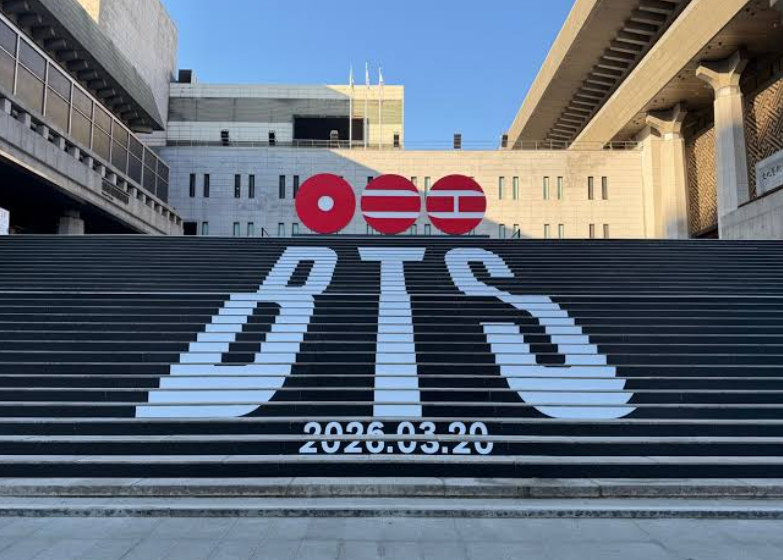
The case gained particular prominence because of the suspect's involvement in the sale of nine tickets to BTS' highly anticipated Gwanghwamun performance, one of the most sought-after concert events in the K-pop calendar. Police initially detected her suspicious activity on February 23 during the sales period for this very show, which subsequently took place in March. At that critical moment, authorities were already maintaining heightened surveillance of the ticketing platform due to exceptional public demand for BTS tickets. Their intervention prevented the woman from completing the resale transaction, effectively disrupting what would have represented among the most high-profile instances of her alleged misconduct.
Recognising the seriousness of the charges and the scale of illegal proceeds involved, police have requested a pre-indictment seizure and preservation order targeting the suspect's assets. This legal mechanism effectively freezes funds and property connected to the alleged crimes, preventing their disposal or transfer before trial proceedings commence. Such financial interventions have become increasingly central to prosecutorial strategy in South Korea's approach to organised ticket fraud, as they address not merely the conduct itself but the economic incentives that motivate such schemes.
The Seoul case represents merely one manifestation of a broader ticket-scalping problem that continues to plague South Korea's entertainment sector. Authorities simultaneously announced a separate but related prosecution involving a suspect in his 30s from Ulsan who allegedly developed and deployed comparable macro software. This individual purchased more than 1,700 K-pop concert tickets between November 2024 and October 2025, subsequently reselling them at dramatically inflated prices—between three and thirteen times their original face value. The Ulsan suspect's operation generated approximately 420 million won in profits before law enforcement intervention, suggesting that ticket scalping remains a lucrative and widespread criminal activity despite existing regulations.
The timing of these prosecutions carries particular significance given imminent changes to South Korea's legal framework governing ticket resales. Beginning August 28, substantially revised provisions of the Public Performance Act and the National Sports Promotion Act take effect, fundamentally reshaping the financial consequences of ticket scalping. Under the new regime, authorities can now impose administrative fines reaching 50 times the value of illegally resold tickets—a multiplier that transforms these penalties from minor nuisances into genuine deterrents. For the Seoul suspect, such penalties could theoretically reach several billion won; for the Ulsan suspect, fines could similarly become economically catastrophic.
These legislative enhancements reflect growing political and public frustration with an endemic problem that affects Korea's entertainment ecosystem and frustrates millions of fans annually. K-pop represents not merely cultural content but a significant economic sector generating billions in revenue, and the secondary market for illegitimate ticket scalping diverts substantial wealth away from artists, venues, and legitimate consumers while degrading fan experience through inflated prices and scarcity. The Korean government has gradually escalated its response, moving from minor administrative penalties toward criminal prosecution accompanied by sophisticated financial asset recovery mechanisms.
For Malaysian readers and the broader Southeast Asian region, the Korean approach offers instructive lessons in combating similar phenomena. Scalping affects major concert events throughout Asia, including those featuring Korean, Japanese, and regional artists performing in Malaysia, Singapore, and Thailand. The Korean authorities' emphasis on technological countermeasures—coordinating with ticketing platforms to monitor irregular purchasing patterns—combined with criminal prosecution and asset seizure represents a comprehensive model that other jurisdictions might emulate. As K-pop's regional popularity continues expanding, scalping networks increasingly operate across borders, making international coordination and compatible legal frameworks increasingly important for effective enforcement.

