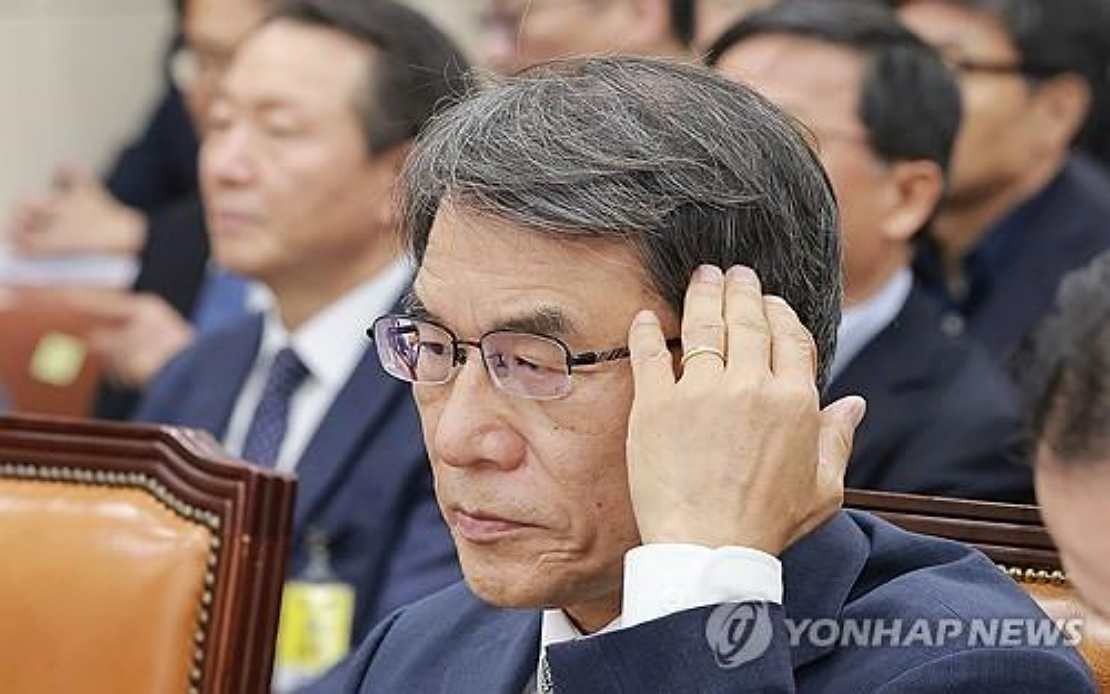
Coordinated efforts between South Korean police and prosecutors descended on the National Election Commission in Seoul on Monday, launching a significant raid targeting suspected financial irregularities at the nation's electoral administration body. The operation centres on allegations that former NEC chief Roh Tae-ak engaged in occupational embezzlement, with investigators armed with a warrant naming him and several unnamed commission officials as criminal suspects. The morning search focused on the chairperson's office, though Roh's residence was notably excluded from the day's investigative sweep, suggesting authorities may be pursuing additional avenues of inquiry beyond the former leader's personal assets.
The specific allegations against Roh stem from a pattern of international travel undertaken during his tenure that departed markedly from official records. Between his appointment and resignation, the former chief made three separate overseas trips—one encompassing Australia and New Zealand, another covering Germany and Estonia, and a third visiting Denmark and Sweden. Critically, Roh's spouse accompanied him on every single journey, yet the commission's official post-trip reports released to the public systematically omitted any mention of the spouse's participation. This systematic deletion from public documentation raised immediate suspicion among watchdogs and opposition politicians that the accompanying family member's travel expenses may have been improperly concealed or fraudulently charged to the commission's budget.
The investigation has expanded considerably beyond Roh's conduct, ensnaring the broader institutional culture at the election commission. Prosecutors are now examining allegations that 461 employees collectively undertook 107 overseas business trips during the two-year period from 2022 through June of the current year. What distinguishes these journeys from routine official travel is their apparent destination pattern: the trips concentrated on resort areas and celebrated tourist destinations such as the Maldives, Bangkok, Kota Kinabalu, and Florence. The geographical clustering around leisure destinations rather than administrative centres or election-related facilities has prompted questions about whether these missions genuinely served electoral oversight purposes or instead amounted to subsidised leisure excursions for staff members.
Roh's departure from office came under circumstances that had already damaged the commission's public credibility. During local elections held on June 3, the NEC experienced significant operational failures in southern Seoul, where ballot shortages disrupted voting processes at multiple polling stations. The administrative breakdown contributed to growing public dissatisfaction with the commission's management and organisational competence. Following the electoral mismanagement, Roh submitted his resignation last month, effectively stepping down before the embezzlement allegations gained formal traction through official channels. The timing of his exit, coinciding with operational failures, suggests the travel improprieties may have compounded an already troubled tenure.
The formal complaint that triggered this intensive investigation came from South Korea's main opposition People Power Party, which filed charges against Roh on June 19 citing occupational embezzlement. The opposition party's decision to pursue formal allegations reflects broader political concerns about governance standards within key administrative institutions. In South Korean politics, where election administration carries profound importance for democratic legitimacy, misconduct at the NEC resonates beyond routine bureaucratic malfeasance—it raises questions about the integrity of electoral processes themselves and public trust in the neutrality of election administration.
For Malaysian readers and Southeast Asian observers, this case illuminates persistent governance challenges across the region's democracies. The systematic concealment of spousal travel from official records demonstrates how institutional cultures can normalise questionable practices through bureaucratic opacity. The concentration of overseas trips to tourist destinations mirrors patterns occasionally observed in regional civil services, where the line between legitimate official business and subsidised personal travel blurs through creative justification. The NEC scandal underscores why transparent travel policies, public documentation requirements, and regular audit mechanisms remain essential safeguards in electoral institutions worldwide.
The broader significance extends to democratic governance architecture itself. Election commissions operate at the intersection of political neutrality and public accountability—they must be sufficiently insulated from partisan pressure to function independently, yet remain subject to public scrutiny and institutional oversight. When employees at such bodies engage in questionable financial practices, the damage extends beyond individual wrongdoing to undermine public confidence in the institution's core mission. South Korea's response through comprehensive investigation and prosecution reflects an attempt to preserve institutional legitimacy through accountability.
The investigation's scope—examining hundreds of staff members and scores of trips—suggests systemic rather than isolated misconduct. This distinction matters considerably for institutional reform prospects. Isolated corruption cases can be addressed through individual prosecution and minor policy adjustments, whereas systemic patterns require cultural change, structural reforms, and comprehensive policy overhaul. The sheer number of employees and trips under scrutiny indicates that questionable travel practices may have been woven into ordinary operational culture rather than confined to a few rogue actors.
As proceedings advance, South Korean authorities will face pressure to demonstrate that accountability mechanisms function effectively even when examining high-ranking officials. The public and opposition parties will scrutinise whether investigations proceed thoroughly or become subject to political interference. Simultaneously, reform advocates will likely push for strengthened travel approval processes, mandatory public disclosure requirements, and independent audit capabilities to prevent future embezzlement. How the NEC responds to this institutional crisis will influence public confidence in South Korea's electoral administration during upcoming electoral cycles and set precedent for how the region's democracies handle governance failures within sensitive institutions.

