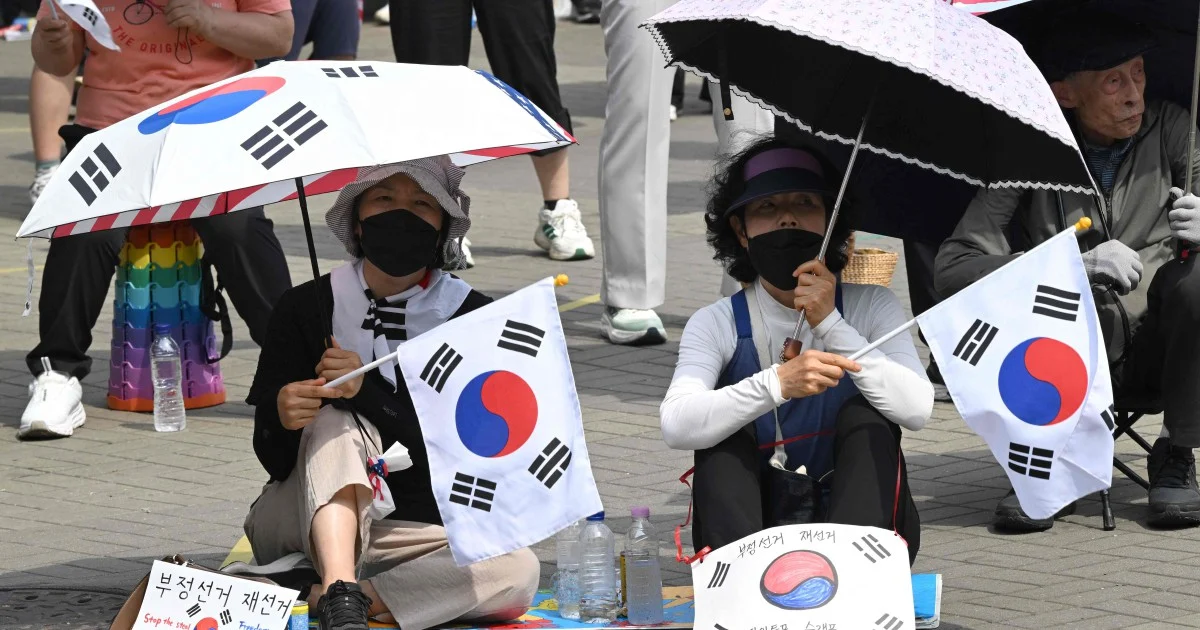
South Korea's parliament has formally initiated a comprehensive parliamentary investigation into the National Election Commission following widespread ballot-paper shortages that compromised voting procedures during the June 3 local elections. The inquiry, approved during a plenary session on Thursday, will span 45 days and represents a significant step toward establishing accountability for the operational failures that affected electoral administration at a critical moment.
The ballot shortages that triggered this parliamentary action represent a serious concern for election integrity across the country. During the June 3 local elections, voters in multiple polling stations encountered disruptions when ballot papers ran out, forcing election officials to implement emergency measures and creating confusion among citizens attempting to exercise their democratic rights. Such logistical failures at the ballot box undermine public confidence in electoral systems and raise questions about the capacity of election authorities to manage fundamental democratic processes.
The National Election Commission, which oversees all electoral administration in South Korea, faces scrutiny regarding how it could have miscalculated voter demand and failed to ensure adequate ballot supplies across all polling locations. Election planning typically involves detailed statistical modelling of voter populations and turnout patterns to prevent precisely these kinds of shortages. The fact that ballot papers—the most basic requirement for conducting an election—became unavailable in certain precincts suggests significant gaps between projection and operational execution.
For Malaysian observers, this situation carries particular relevance given Southeast Asia's broader experiences with election administration challenges. While Malaysia has developed sophisticated electoral machinery through its Election Commission, the South Korean case illustrates how even established democracies with institutional expertise can experience technical failures. The investigation signals a commitment to identifying where systemic weaknesses emerged, whether in forecasting voter numbers, print supply chains, or logistics management across hundreds of polling stations.
The 45-day timeframe granted for the parliamentary probe represents an opportunity for thorough examination rather than superficial review. Legislators will likely scrutinise communication protocols between the National Election Commission's central office and local election authorities, inventory management systems, and contingency protocols for handling unexpected demand fluctuations. The investigation may also extend to whether the Commission possessed the administrative flexibility to redistribute ballots from areas with surplus supplies to those facing shortages.
Parliamentary investigations in South Korea serve both symbolic and practical functions within the political system. Beyond fact-finding, such inquiries demonstrate democratic accountability mechanisms operating when institutions fail public expectations. The approval at plenary session level indicates that this matter has transcended partisan politics to some degree, with lawmakers across the spectrum recognising that election administration failures deserve serious examination regardless of which party benefited or suffered from the disruptions.
The timing of this formal investigation also signals how South Korean democracy has matured in recent decades. Previous generations might have dismissed such technical failures as inevitable friction within complex systems. Today's approach reflects higher standards for institutional competence and greater insistence that government agencies responsible for fundamental democratic functions demonstrate operational excellence. This elevated expectation mirrors trends across developed democracies worldwide, including within Malaysia's institutional evolution.
Stakeholders will be examining whether the ballot shortages occurred randomly across constituencies or concentrated in particular areas, and whether this pattern reflects geographic forecasting errors or uneven distribution logistics. Such details matter enormously for determining whether the failure stemmed from systemic estimation problems or execution breakdowns. The investigation may reveal which polling stations experienced shortages, whether these correlate with voter demographics, and whether certain regions were systematically disadvantaged.
The broader implications extend to how election commissions must balance efficiency against redundancy. Ordering excessive ballot supplies costs money and creates storage logistical challenges, yet ordering insufficient quantities risks the catastrophic failure witnessed on June 3. Finding this equilibrium requires data analytics, risk assessment frameworks, and contingency planning that contemporary election bodies increasingly recognise as essential infrastructure.
For regions like Southeast Asia where electoral systems continue strengthening institutional capacity, the South Korean parliamentary investigation offers valuable lessons about accountability mechanisms. When election commissions fail, the availability of robust parliamentary oversight provides democratic recourse short of system-wide crisis. Malaysia, Thailand, Indonesia, and Philippines observers can consider how their respective electoral institutions might similarly court scrutiny when performance lapses occur.
As South Korea's parliament conducts its 45-day examination, the investigation's findings will likely influence how the National Election Commission approaches future elections. Recommendations may encompass revised ballot supply formulas, enhanced coordination between central and local authorities, or technological improvements in inventory tracking. The investigation also signals to the public that electoral failures, while regrettable, trigger institutional responses rather than disappearing into bureaucratic silence.
Ultimately, this parliamentary action reflects a democratic society committed to improving how it conducts elections despite inevitable occasional breakdowns. The June 3 ballot shortages, rather than signalling systemic crisis, have prompted the kind of institutional self-examination that mature democracies employ to strengthen electoral administration. How thoroughly the National Election Commission addresses findings from this probe will determine whether similar disruptions during future elections become less likely.