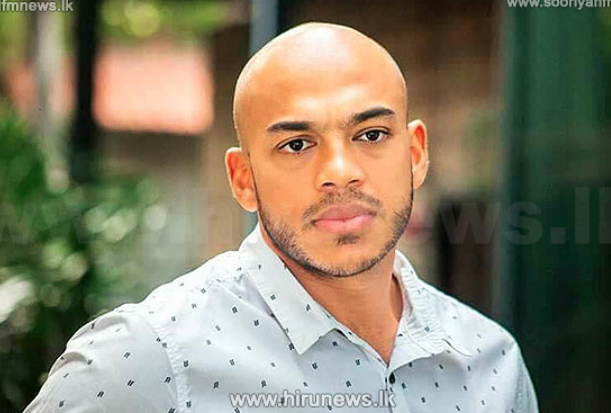
The arrest of Yoshitha Rajapaksa on Wednesday represents a significant escalation in Sri Lanka's reckoning with one of its most dominant political families. The 38-year-old naval officer was detained by the Bribery Commission on charges of abusing state resources, specifically for accessing government-funded overseas training without possessing the requisite qualifications for such advancement. The case underscores a fundamental breakdown in institutional accountability that defined decades of Rajapaksa rule in the island nation.
Yoshitha's detention centres on allegations that he leveraged political privilege to bypass established merit-based recruitment procedures within the military hierarchy. According to the Bribery Commission, he climbed the naval ranks without meeting minimum qualification thresholds, then utilised state funds to attend an elite officer training programme at Dartmouth, Britain's renowned naval college. What might appear as a singular personnel matter takes on greater significance when contextualised within Sri Lanka's broader culture of nepotistic advancement that critics argue undermined institutional integrity across government agencies for years.
The Dartmouth attendance became a flashpoint for public criticism when Rajapaksa held the presidency. His son's placement at the prestigious British institution, secured through government coffers, provoked accusations that a qualified naval cadet had been denied a legitimately earned opportunity. The case crystallises concerns about how political connections facilitated resource misallocation during the Rajapaksa era, when senior family members wielded extraordinary influence over state institutions with minimal external oversight.
Yoshitha's legal troubles extend well beyond the current corruption charge. He already faced prosecution in two separate money-laundering investigations and had been operating under a foreign travel restriction while released on bail. These concurrent cases suggest a pattern of financial irregularities spanning multiple domains. Most notably, he struggled to adequately account for the sources of funds used to purchase a residential property during his father's presidency from 2005 to 2015. His explanation—that he obtained money through selling gemstones gifted by an elderly relative who herself could not clarify their origin—failed to satisfy investigating authorities and raised further questions about asset accumulation inconsistent with legitimate income streams.
A third matter involves his acquisition of a television network, adding another layer to questions about how he financed substantial business ventures. These overlapping cases paint a picture of financial conduct that investigators apparently view as symptomatic of broader governance failures rather than isolated indiscretions. The cumulative weight of these allegations suggests prosecutors are building a comprehensive case against a member of the family that long operated with apparent impunity.
The intensified scrutiny of the Rajapaksa family represents a marked departure from the relative protection they enjoyed under previous administrations. President Anura Kumara Dissanayake's 2024 election victory was explicitly premised on promises to dismantle corruption networks and prosecute wrongdoing within the political establishment. His administration has provided the institutional backing necessary for investigators to pursue cases that might have faced bureaucratic obstruction under earlier regimes. This political shift has created space for prosecutorial action previously constrained by factional considerations.
The Rajapaksa family's legal exposure has become increasingly comprehensive. Beyond Yoshitha, multiple relatives and close associates have faced charges encompassing corruption, financial impropriety, and serious criminal offences including murder allegations—though these matters remain pending in courts. The breadth of investigations suggests systemic patterns rather than isolated instances of misconduct, potentially reshaping how Sri Lankan institutions address high-level accountability.
Mahinda Rajapaksa's younger brother Gotabaya, who ascended to the presidency in 2019, exemplifies the family's volatile trajectory. He was forced to flee the country in 2022 following civil unrest triggered by a devastating economic crisis that severely damaged public living standards. Recently, Gotabaya received notification of a foreign travel prohibition and has preemptively sought court intervention to forestall potential arrest proceedings related to his administration's handling of the 2019 Easter Sunday bombings, which killed 279 people. This situation illustrates how the family's historical political dominance has reversed into profound legal vulnerability.
For Malaysia and the broader Southeast Asian region, the Rajapaksa prosecutions carry instructive implications. They demonstrate that even entrenched political dynasties can face accountability when institutional independence strengthens and public demands for transparency gain electoral salience. Sri Lanka's experience suggests that sustainable democratic consolidation requires genuine willingness to investigate powerful families, though such efforts remain vulnerable to reversal if successor administrations alter prosecutorial priorities.
The cases also illuminate how military hierarchies in developing democracies become corrupted through political connections, a phenomenon directly relevant to Southeast Asian contexts. When political leaders instrumentalise defence institutions for factional advantage—through preferential advancement, misallocated resources, and loyalty-based promotion—it simultaneously weakens military professionalism and enables personalised authority networks that undermine institutional resilience. Yoshitha's naval career trajectory exemplifies this dynamic.
The financial irregularities documented in the Rajapaksa cases—unexplained wealth accumulation, property acquisitions inconsistent with disclosed income, media ownership concentration—represent governance pathologies that afflict multiple countries throughout the region. Sri Lanka's tentative movement toward accountability, despite obvious vulnerabilities and risks, may establish precedents that demonstrate possibilities for institutional reform elsewhere in South and Southeast Asia. However, the family's continued ability to resist certain proceedings through legal manoeuvres underscores how entrenched elites retain substantial capacity to contest accountability mechanisms, even within strengthened institutional frameworks.