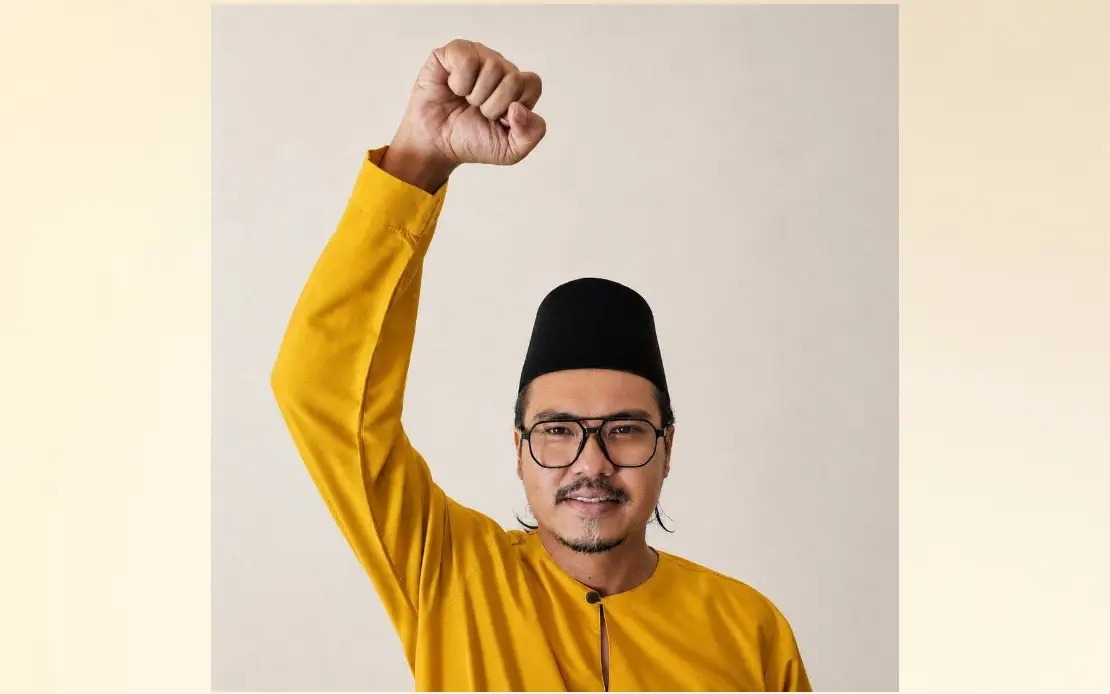
Islah Wahyudi Zainudin, a 46-year-old independent candidate vying for the Sri Tanjung seat in the Negeri Sembilan state election, has been summoned to appear before the Sepang Sessions Court on August 11 to answer a charge connected to social media activity. The candidate received formal notification of the matter from an officer of the Malaysian Communications and Multimedia Commission (MCMC) on July 21, when the official visited his residence to deliver the court notice.
The charge against Islah stems from a post he published on Instagram in January, though the specific nature of the alleged offence has not been publicly detailed. The legal action will proceed under Section 233 of the Communications and Multimedia Act 1998, a statute that governs offensive and obscene content transmitted via electronic communications platforms. This legislative framework has become increasingly relevant in Malaysian electoral campaigns, where digital communication plays a growing role in candidates' outreach efforts.
Despite the legal proceedings looming, Islah has indicated his intention to continue his campaign activities throughout the remainder of the Negeri Sembilan state election period. His statement reflects a strategic decision to maintain political momentum rather than withdraw from public engagement while facing the charge. This approach signals confidence in his ability to manage both the court process and his candidacy simultaneously, though it also means the candidate will likely face increased scrutiny regarding his digital communications during the campaign period.
The Sri Tanjung constituency presents a highly competitive electoral contest, with Islah joining four other candidates in what amounts to a five-way race. His primary challengers include Datuk Dr G. Rajasekaran, the incumbent representative standing under the Pakatan Harapan banner, A. Achuthan representing Barisan Nasional, M. Leevineshwaraan contesting for Parti Pribumi Bersatu Malaysia, and fellow independent Datuk A. Saravanan. This fragmented field suggests that the seat remains genuinely contestable, with no single candidate commanding obvious dominance.
The timing of Islah's court appearance creates an unusual intersection of legal and electoral calendars. The Negeri Sembilan state election schedule has the Election Commission setting early voting for July 28, with general polling day scheduled for August 1. This means Islah's August 11 court date falls after the election has concluded, allowing him to complete his electoral campaign without immediate legal constraints, though the ongoing case could influence voter perception during the final campaign period.
Social media-related charges under the Communications and Multimedia Act have become more prevalent in Malaysian politics in recent years, particularly as platforms like Instagram, Facebook, and Twitter become essential campaign tools. The legislation provides authorities with broad powers to prosecute content deemed offensive or obscene, creating tension between digital political expression and regulatory frameworks designed to maintain public order and decorum online.
For independent candidates navigating Malaysian electoral politics, such legal challenges present distinctive difficulties. Unlike party-affiliated candidates who may access organisational support and legal resources, independents typically bear the full burden of managing legal proceedings while simultaneously maintaining campaign visibility and resources. The financial and time demands of mounting both an election campaign and a legal defence can be particularly onerous for individual candidates without institutional backing.
The incident also highlights ongoing debates about online speech regulation in Malaysia's democratic context. While authorities argue that the Communications and Multimedia Act protects public discourse standards, critics contend that such provisions can potentially inhibit legitimate political expression and free speech. Election periods, when candidates and citizens engage in heightened political communication, naturally increase the likelihood of content scrutinising regulatory boundaries.
Isiah's decision to acknowledge receipt of the charge and commit to court attendance demonstrates formal compliance with legal process, though his continued campaign efforts underscore the practical reality that electoral candidates often proceed through multiple obligations concurrently. The court proceedings will likely draw media attention given the electoral context, potentially influencing broader conversations about digital conduct during political campaigns.
The case occurs within Negeri Sembilan's broader electoral dynamics, where the state election reflects wider national political trends regarding coalition politics and the growing viability of independent candidacies. As Malaysian voters increasingly diversify their electoral choices beyond traditional party lines, independent candidates like Islah represent emerging electoral pluralism, though they simultaneously navigate a regulatory environment created during periods of dominant two-coalition politics.
Observers of Malaysian electoral law and practice will monitor how Islah's case develops, as it may establish precedent regarding the intersection of campaign speech and communications legislation. The outcome could influence how future candidates calibrate their digital communication strategies during election periods, potentially shaping online political discourse patterns across subsequent electoral cycles in Malaysia and the region.

