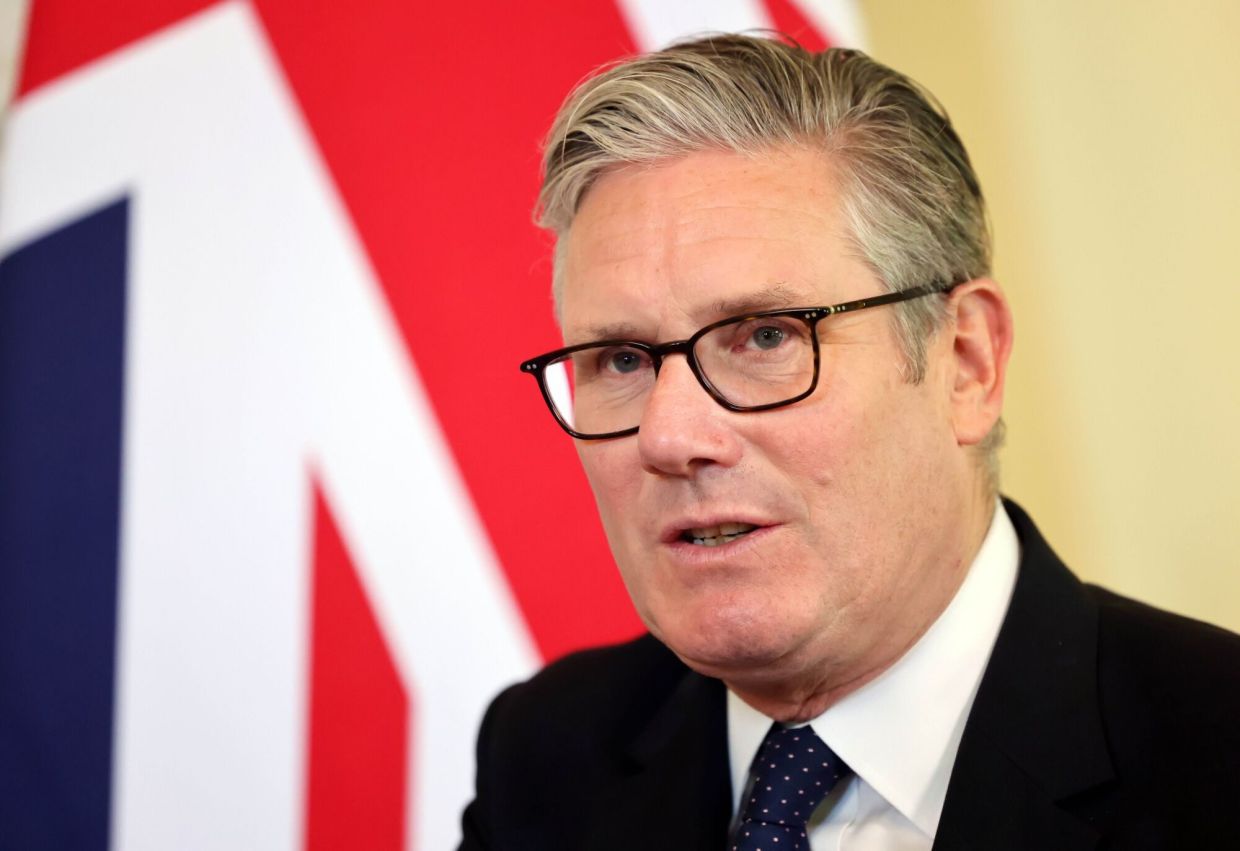
Prime Minister Keir Starmer is set to unveil sweeping curbs on teenage social media use on Monday morning, marking a significant moment in his administration as he grapples with political turbulence at home. The announcement will include a prohibition on children under 16 accessing leading social platforms, coupled with restrictions on chatbots and online gaming, as well as time limits for older adolescents. Starmer will then travel to Évian-les-Bains in France for talks with G7 leaders, where questions loom over recent defence ministry turmoil and military spending commitments.
The proposed restrictions go beyond those implemented in Australia, where a comparable social media prohibition for teenagers took effect last year. Public backing for keeping young people off major platforms remains strong in the UK, though scepticism persists about whether such rules can be effectively enforced. "This is a choice about whose side we're on: families across the country, or a status quo that isn't working," Starmer stated in a late Sunday message.
Criticism has mounted from multiple quarters. Ian Russell, whose daughter died in 2017 after exposure to damaging online material, called it "deplorable" if the move was hastily conceived as a headline-grabbing gesture ahead of potential party leadership challenges. The Liberal Democrats labelled the approach "a half-baked policy rushed through simply to burnish a political legacy." Internal concerns have also surfaced, with some Labour figures believing the decision to pursue a full under-16 ban was accelerated following a public consultation that wrapped up less than three weeks prior.
Starmer's political standing faces additional strain this week. The resignation last week of defence secretary John Healey and junior minister Al Carns, along with two other aides, underscored disagreements over military spending. Healey cited inadequate funding increases given mounting dangers from Russia and other powers. Yet culture secretary Lisa Nandy suggested Sunday that talks remain fluid, with officials seeking additional resources from elsewhere in the budget to strengthen defence commitments. "Negotiation is happening as we speak," she told the BBC, implying Starmer is reconsidering funding allocations.
Thursday's special election in Makerfield, northwest England, adds to mounting pressure. If Andy Burnham prevails against Reform UK's Nigel Farage, he may move to challenge Starmer for party leadership, potentially triggering a summer contest for control of Number 10. A larger military budget boost would help the premier honour pledges to allies, but risks inviting accusations of another policy reversal in the wake of Healey's departure.