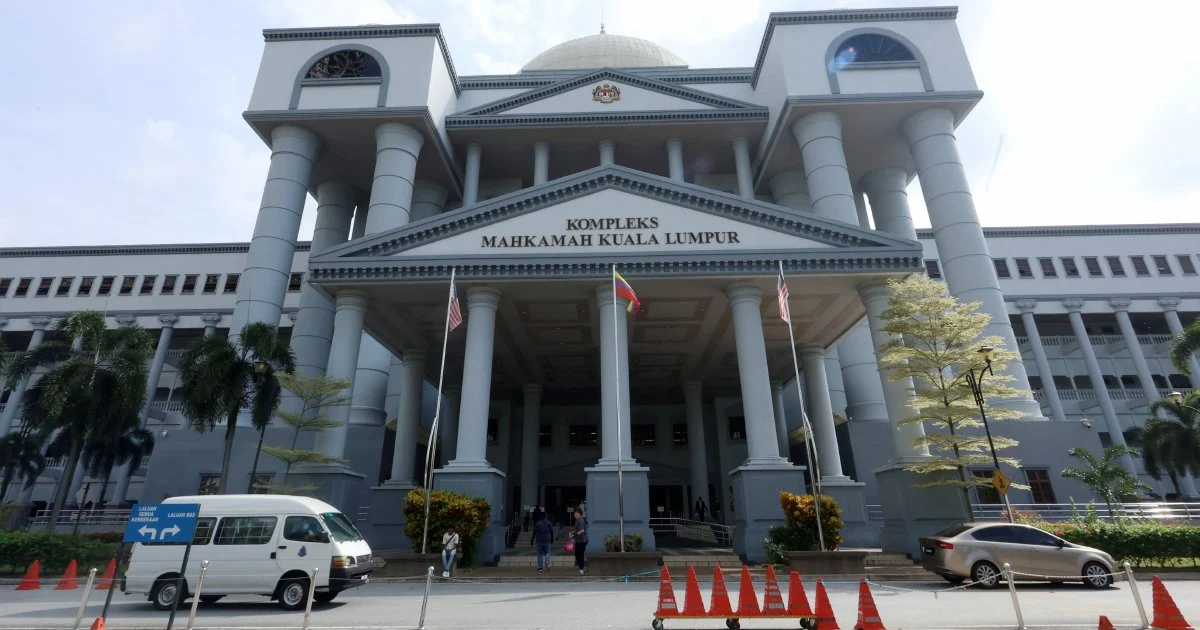
A senior administrator heading a government statutory body is scheduled to appear before the Sessions Court today to face corruption allegations spanning seven separate charges. The charges relate to his alleged involvement in soliciting and accepting bribes totalling more than RM1 million, purportedly in connection with a sports facility project. The case marks another significant corruption prosecution within Malaysia's statutory sector, which continues to face heightened scrutiny from anti-graft authorities.
The decision to bring charges against the chief executive reflects the ongoing commitment by Malaysia's anti-corruption establishment to pursue high-level misconduct within public institutions. Statutory bodies, which operate with considerable autonomy while managing public funds and overseeing major infrastructure projects, have increasingly become the focus of graft investigations. Such cases underscore the vulnerability of these organisations to corrupt practices, particularly when they involve substantial capital expenditures for facilities and amenities.
The sports facility project at the centre of the allegations appears to have involved significant financial commitments. Bribery schemes within such development initiatives typically target decision-making officials who control project approvals, tender processes, and contractor selections. By positioning himself to solicit and receive payments from interested parties, the accused individual allegedly manipulated the procurement process for personal gain while potentially compromising the project's integrity and value for money.
For Malaysian readers, such prosecutions carry broader implications about governance within the statutory sector. These bodies manage everything from utilities and transportation networks to entertainment venues and recreational infrastructure, directly affecting public welfare. When corruption penetrates leadership positions, it not only wastes taxpayer resources but also undermines public confidence in institutional management. The prevalence of such cases suggests systemic vulnerabilities that extend beyond individual misconduct.
The magnitude of the alleged bribes—exceeding RM1 million—indicates a corruption enterprise rather than isolated transgressions. Multiple separate charges typically reflect different receipt occasions or distinct bribery transactions, each meeting prosecutorial thresholds for independent prosecution. This pattern suggests a sustained operation where the accused repeatedly leveraged his authority to extract payments, implying either insufficient internal controls or deliberate circumvention of monitoring mechanisms within the organisation.
The sessions court venue for this prosecution indicates the severity of the allegations. Under Malaysian law, corruption cases of this magnitude and complexity benefit from the specialised expertise and sentencing powers available at the sessions court level. The structure of multiple charges also provides prosecutors with flexibility in securing convictions on the charges that evidence most substantially supports, even if some allegations face evidentiary challenges.
Statutory bodies in Malaysia operate with varying degrees of transparency and accountability. While some maintain robust internal controls and external oversight, others function with limited public scrutiny. The environment surrounding government appointments to such bodies, combined with discretionary decision-making authority over substantial budgets, creates conditions conducive to corrupt arrangements if internal safeguards prove inadequate. This case will likely prompt reviews of governance frameworks across comparable institutions.
From a regional perspective, Malaysia's prosecution of such cases demonstrates an established legal apparatus for addressing high-level corruption. Neighbouring countries often reference the country's corruption investigation and prosecution experience when developing or refining their own anti-graft mechanisms. The visibility of such trials also sends market signals to international investors regarding Malaysia's commitment to combating systemic corruption, though perceptions of prosecutorial efficacy depend on consistent conviction rates and appropriate sentencing.
The defence strategy in cases involving multiple corruption charges frequently centres on challenging either the actuality of payments or the quid pro quo relationship between payments and official actions. The accused may contend that payments represented legitimate service fees, voluntary contributions, or transactions unrelated to his official capacity. Alternatively, defence arguments might emphasise insufficient evidence linking him personally to specific receipt transactions or questioning witness credibility.
For sports development particularly, corruption poses special concerns in Malaysia's context. Government investment in sports facilities supports public health objectives, national competitiveness in international competitions, and community recreation opportunities. When corruption inflates project costs or diverts resources, it diminishes the public benefit realised from such investments. The alleged bribes in this case may well have contributed to inflated facility costs or substandard construction quality.
The outcomes of this prosecution carry significance for future accountability within Malaysia's statutory sector. Successful conviction and appropriate sentencing would reinforce consequences for high-level corruption, potentially strengthening deterrence effects within similar organisations. Conversely, acquittal or lenient sentencing might signal insufficient consequences, potentially encouraging similar misconduct elsewhere within government-linked institutions.
Looking forward, this case exemplifies the complex challenge of maintaining institutional integrity within Malaysia's large network of statutory bodies. While individual prosecutions address specific wrongdoing, systemic reform requires simultaneously strengthening internal governance, enhancing external audit mechanisms, implementing competitive procurement processes, and cultivating organisational cultures that prioritise ethical conduct. The effectiveness of these complementary measures, alongside vigorous prosecution of violations, ultimately determines whether Malaysia's statutory sector can operate with the integrity and efficiency the public rightfully expects.