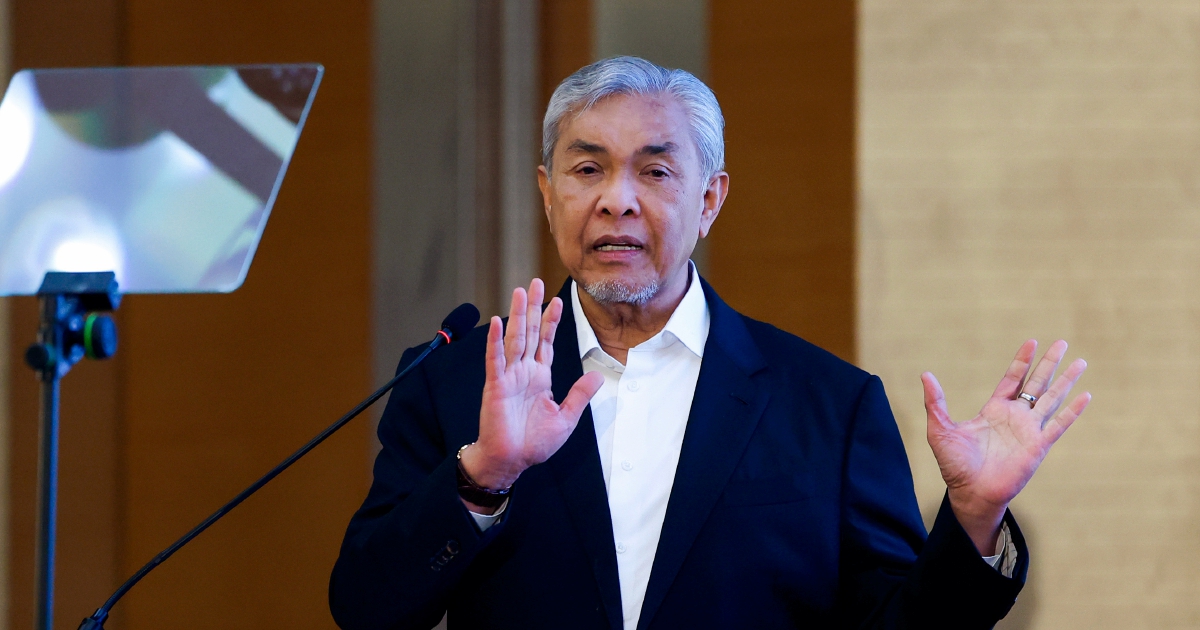
Barisan Nasional chairman Datuk Seri Dr Ahmad Zahid Hamidi has urged all political parties to respect the Negri Sembilan Palace's guidance by avoiding matters involving race, religion and royalty during the state election campaign. Speaking in Seremban, Zahid emphasized the importance of adhering to this directive as parties prepare their campaign strategies for the state polls.
The 3R issues—encompassing race, religion and royalty—remain sensitive touchstones in Malaysian politics and have frequently become flashpoints during electoral contests. The Negri Sembilan Palace's decision to issue a reminder reflects ongoing concerns about maintaining social harmony and protecting constitutional matters from becoming campaign fodder. Such interventions from state institutions underscore the need for political maturity and restraint, particularly when navigating election season when rhetoric can easily escalate.
Zahid's statement carries particular weight given his position as chief steward of Barisan Nasional, the political coalition that governed Malaysia for decades before its 2018 electoral defeat and subsequent return to power in 2022. The coalition's approach to campaign messaging in Negri Sembilan will likely influence how other component parties conduct themselves, setting a tone for broader electoral conduct standards across the federation. BN's embrace of this Palace reminder demonstrates awareness that divisive campaigning could backfire in an environment where voters increasingly demand constructive engagement with substantive issues.
Negeri Sembilan holds particular political significance within Malaysian federalism. As a state with a unique constitutional arrangement centered on the institution of royalty—specifically the Negeri Sembilan Darul Khusus concept that sees the Sultan as the ceremonial focal point of the state's political order—the Palace occupies a position of considerable cultural and constitutional importance. When such institutions issue reminders about campaign conduct, they reflect deeper concerns about preserving the sanctity of constitutional processes and political institutions that transcend party competition.
The timing of Zahid's reinforcement of this message suggests awareness that some parties may be tempted to exploit sensitive religious or ethnic divisions to mobilize support. Historical precedent in Malaysian elections demonstrates how such tactics can generate traction among certain voter segments, even when ultimately corrosive to social fabric. By pre-emptively signaling that BN will not engage in such campaigning, Zahid positions the coalition as the responsible choice for voters concerned about maintaining national cohesion.
However, the effectiveness of such appeals depends entirely on implementation. Political parties frequently issue statements affirming commitment to clean campaigning while simultaneously tolerating surrogates and grassroots operatives who deploy precisely the divisive language being officially proscribed. Zahid's reminder will carry credibility only if BN's actual campaign activities—including social media content, ceramah rhetoric, and grassroots messaging—genuinely reflect this principle across all levels of party organization.
For opposition parties contesting the Negeri Sembilan election, Zahid's statement presents both challenge and opportunity. Declining to engage with 3R issues requires significant message discipline, as these topics often resonate with particular communities. Yet opposition parties that respect the Palace reminder gain legitimacy and demonstrate their own commitment to constitutional norms. Conversely, any party perceived as violating this guidance risks severe reputational damage and potential backlash from voters and state institutions alike.
The broader context involves Malaysia's ongoing navigation of political stability following recent years of substantial institutional turbulence. After the 2018 election that ended BN's long tenure, and subsequent coalition realignments, many Malaysians appear to crave elections focused on competence, development, and service delivery rather than inflammatory identity politics. The Palace reminder in Negeri Sembilan aligns with this apparent voter sentiment, suggesting that electoral success increasingly correlates with substantive rather than divisive messaging.
Adherence to such guidelines also strengthens the monarchy's institutional standing at a time when various state palaces have become more vocal in asserting their constitutional roles and responsibilities. When political parties respect Palace reminders, they reinforce the legitimacy of royal institutions in the political process without creating the appearance of inappropriate institutional interference. This equilibrium between respect and autonomy remains crucial for Malaysia's constitutional monarchy to function effectively.
The Negeri Sembilan context specifically demands particular sensitivity given the state's distinct constitutional arrangements and the cosmopolitan nature of its population across urban and rural constituencies. Campaigns that focus on shared developmental priorities—economic opportunity, education, healthcare, and infrastructure—naturally transcend narrow communal appeals and create broader coalitional possibilities. Such constructive campaigning ultimately serves all parties by expanding rather than restricting the pool of potential supporters.
For Malaysian voters more broadly, Zahid's statement serves as useful barometer of political culture evolution. The willingness of major party leaders to publicly commit to restraint on 3R issues, and the corresponding acceptance of Palace guidance, suggests persistent institutional capacity to maintain certain standards of political conduct. This capacity will be tested throughout the Negeri Sembilan campaign period, with results offering important indicators about the trajectory of Malaysian electoral politics heading toward other planned state contests.

