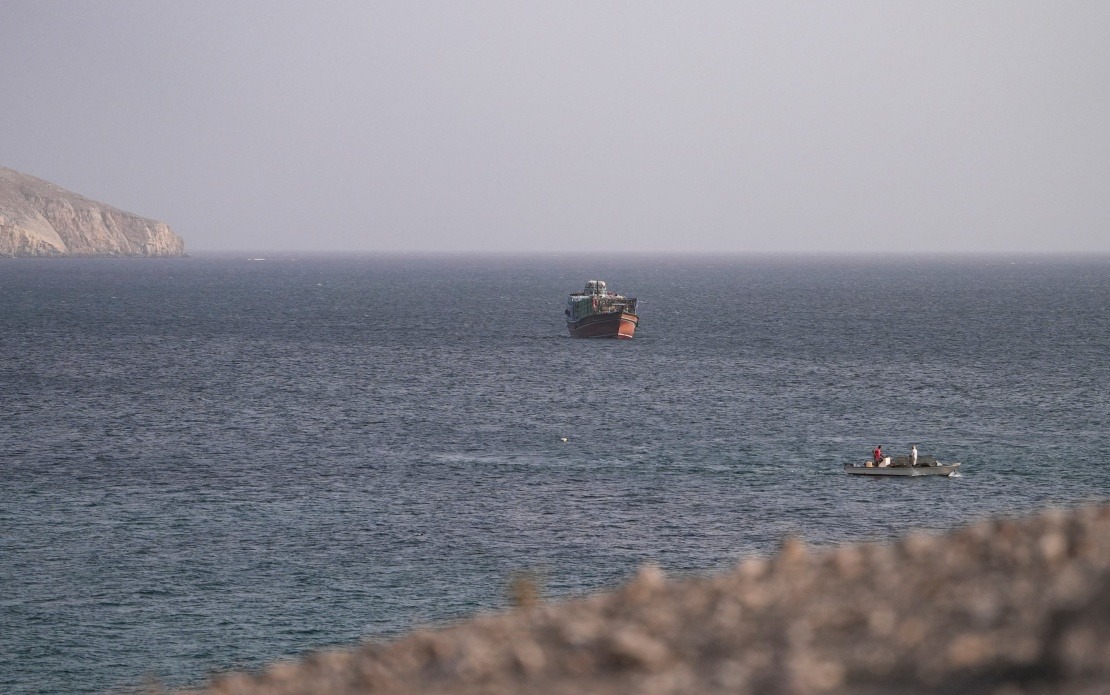
Iran will not allow the Strait of Hormuz to revert to its pre-conflict status, according to Foreign Ministry Spokesperson Esmaeil Baqaei, signalling that any future arrangement with neighbouring Oman represents a fundamentally altered strategic framework rather than a simple restoration of previous maritime conditions. Speaking during a televised interview, Baqaei clarified that bilateral agreements with Muscat do not constitute a reopening of shipping lanes under the original terms, but instead establish an entirely new operational model reflecting post-war geopolitical realities.
Tehran and Muscat have maintained discussions on the strait's future for an extended period, framing their cooperation as a pursuit of concrete mechanisms to guarantee maritime safety throughout the vital waterway. The talks gained momentum following a ceasefire agreement on April 8, with multiple rounds of negotiations occurring thereafter. Baqaei underscored that as the two coastal nations responsible for the Strait of Hormuz, Iran and Oman share inherent obligations to coordinate on maritime security and navigation protocols, a responsibility that extends beyond conventional commercial arrangements.
The significance of these discussions was highlighted by Foreign Minister Abbas Araghchi's decision to make Oman his inaugural diplomatic destination following the conflict's conclusion. During that visit, Araghchi engaged with both the Sultan and Oman's foreign minister to explore the strait's governance framework and establish secure maritime corridors. These high-level contacts reflect the strategic importance both nations attach to reaching a workable solution that accommodates their respective interests while maintaining regional stability.
The memorandum of understanding that concluded hostilities explicitly addresses the strait's future administration. Clause five stipulates that Iran must conduct future management of the Strait of Hormuz through collaborative dialogue with Oman and engagement with broader regional actors. This provision establishes Iran's leading role whilst institutionalising consultation mechanisms with its closest neighbour, demonstrating an attempt to balance Tehran's sovereignty with multilateral input. Baqaei noted that during the initial 22 or 23 days of implementing this clause, the northern shipping route operated without significant disruption, allowing vessels normal passage through the critical waterway.
However, this stability proved temporary. Before the full 30-day period designated for restoring pre-war maritime traffic patterns could conclude, an unspecified act of aggression against Iran disrupted the normalisation process. This development effectively reset negotiations and prompted both nations to reconsider the terms under which maritime commerce might safely resume. The interruption highlighted the interconnection between regional security dynamics and the strait's operational status, demonstrating that technical maritime arrangements cannot be divorced from the broader geopolitical environment.
Crucially, the route eventually agreed upon between Iran and Oman will differ from both current northern and southern passages, representing a genuinely novel pathway negotiated specifically between the two coastal states. This approach transcends simple compromise, instead proposing an infrastructure innovation designed to address security concerns whilst accommodating legitimate maritime interests. Baqaei emphasised that these bilateral consultations remain exclusively between Tehran and Muscat, without involvement from external parties, underscoring Iran's determination to establish autonomy over its maritime domain.
For Malaysian and Southeast Asian observers, the implications are substantial. The Strait of Hormuz remains one of the world's most critical chokepoints, with approximately one-third of global maritime oil shipments passing through its narrow passage. Any disruption to shipping through this waterway directly affects energy prices and supply chains throughout the region, including Malaysia's own economic interests. The current impasse demonstrates how regional conflicts can create structural uncertainty for global commerce, particularly affecting nations dependent on Gulf oil supplies and vulnerable to fluctuations in shipping costs and security premiums.
Baqaei stressed that Iran's overarching concern involves preventing hostile parties from exploiting the strait for purposes detrimental to Iranian interests. Protecting sovereign rights whilst ensuring safe passage requires developing mechanisms that recognise Iran's legitimate security preoccupations without indefinitely restricting international commerce. This balancing act remains at the heart of negotiations, as Oman attempts to facilitate arrangements that satisfy both Iranian security demands and international maritime expectations.
Turning to broader regional tensions, Baqaei dismissed American threats as neither novel nor intimidating, noting that Iran has previously weathered multiple military operations. He characterised recent statements by US officials, including claims that Iran sought to halt attacks, as psychologically motivated rhetoric lacking substantive foundation. Instead, Baqaei asserted that Iranian policy derives exclusively from national security calculations and strategic interests, remaining imperviours to external pressure, intimidation campaigns, or coordinated media narratives designed to influence decision-making.
The Foreign Ministry spokesperson issued a pointed warning to any nation considering military cooperation against Iran or providing logistical support to potential aggressors. Such involvement, he argued, would implicate those states in acts of aggression and bind them to consequences flowing from their participation. This declaration reflects Iran's intention to hold third parties accountable for enabling hostile action, establishing deterrence through the promise of proportional responses targeting state sponsors alongside primary belligerents. The statement carries particular significance given ongoing diplomatic contacts between Iran and European nations, suggesting Tehran views potential third-party involvement as a genuine concern warranting explicit cautioning.
Baqaei concluded by separating the question of the strait's permanent status from immediate maritime arrangements with Oman. Whilst the two nations can negotiate functional corridors supporting shipping, the long-term condition of the waterway remains tied to regional security developments and American policy choices. This formulation grants Iran leverage over the strait's future whilst positioning it as a reactor to external circumstances rather than an initiator of escalation, a rhetorical positioning that allows Tehran flexibility in responding to evolving conditions without appearing to capitulate on core demands.
The standoff over the Strait of Hormuz exemplifies how regional conflicts reshape international commerce and create persistent uncertainty for global markets. Malaysia and other ASEAN nations, whilst not direct parties to Iranian disputes, remain vulnerable to supply disruptions and price volatility stemming from Gulf tensions. The nascent Iran-Oman framework, incomplete though it remains, represents a modest step toward stabilising this critical passageway, though the structural tensions underlying the disagreement suggest significant obstacles remain before any durable settlement emerges.

