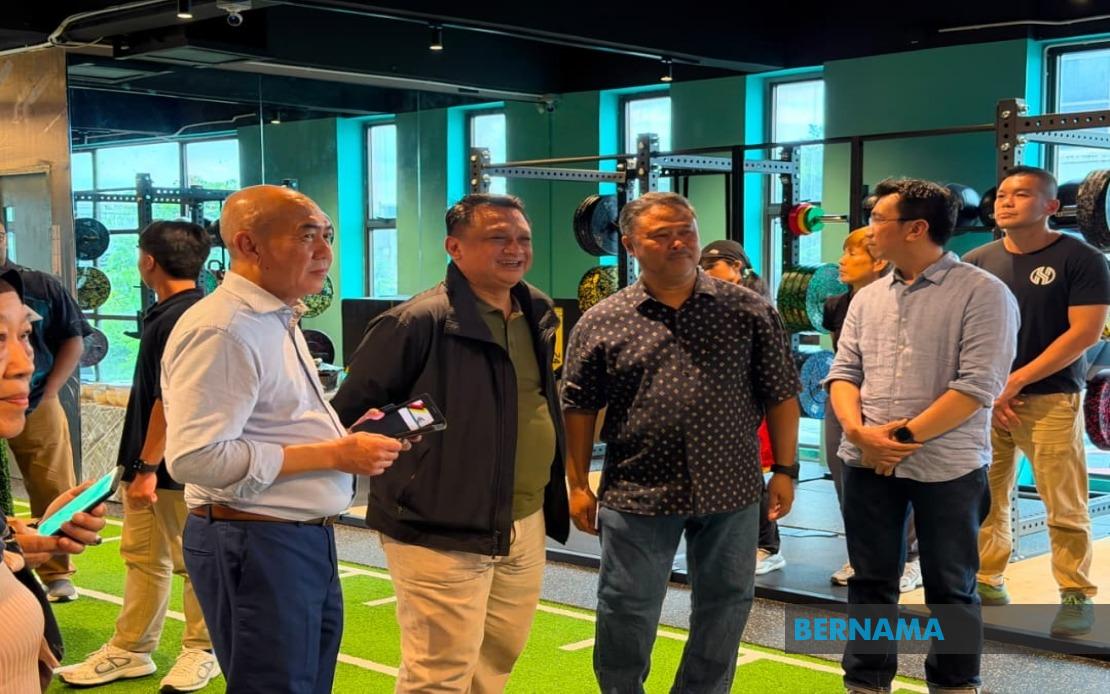
Malaysia's rapidly expanding senior citizen demographic faces a pressing health challenge that remains largely overlooked: the debilitating consequences of falls and fractures. Dr Adibah Ali, owner of FitLab gymnasium in Kuching, is sounding the alarm about the need for greater public understanding of how resistance and strength training can substantially mitigate these risks and enhance overall quality of life for older Malaysians.
Despite decades of evidence supporting preventive exercise programmes, awareness of muscle-strengthening interventions remains disappointingly low among both seniors and the general population. This knowledge gap represents a significant public health opportunity, particularly as Malaysia's demographic composition continues its inexorable shift towards an older society. The consequences of inaction are tangible: Dr Adibah's 22-year career in hospital medicine has exposed her to the genuine human toll of fall-related injuries, with countless elderly patients requiring admission and extended recovery periods following preventable accidents at home and in community settings.
The medical perspective is straightforward but often underappreciated. Structured strength training addresses multiple physiological vulnerabilities simultaneously. Strong muscles provide the foundation for stable balance and coordinated movement; robust bones resist fractures when falls do occur; and well-maintained joint structures offer resilience against injury. Beyond these mechanical benefits, regular resistance exercise rebuilds the proprioceptive awareness—the body's sense of its position in space—that naturally deteriorates with age. For seniors navigating stairs, carrying groceries, or simply maintaining independence within their homes, these functional improvements translate directly into safer, more confident daily living.
Dr Adibah deliberately distances her advocacy from bodybuilding aesthetics or extreme fitness trends. The misconception that strength training requires dramatic physical transformation has deterred many older adults from even beginning such programmes. Instead, she emphasises accessible, age-appropriate exercise designed to fortify the physiological systems that support mobility and safety. Even modest gains in muscular capacity produce meaningful reductions in fall incidence and related hospitalisation rates—a particularly important consideration for Malaysia's healthcare system, already managing substantial demand.
Recognising this gap, FitLab plans to develop specialised classes tailored specifically for senior citizens, acknowledging that elderly exercisers require different programming, equipment modifications, and instructional approaches than younger populations. This represents a welcome expansion of fitness service provision in Sarawak, where such dedicated offerings remain scarce. The gymnasium's proposed collaboration with Pusat Aktiviti Warga Emas (PAWE) signals how private sector initiatives can amplify the reach and effectiveness of government-supported ageing programmes, creating multiple entry points for seniors to engage with structured physical activity.
Sarawak Deputy Minister of Youth, Sports and Entrepreneur Development Datuk Gerald Rentap Jabu acknowledged the particular urgency of this agenda within the state context. Adults aged 50 and above represent a rapidly growing demographic segment in Sarawak, and their health trajectories will substantially shape healthcare utilisation, family dynamics, and workforce participation in coming years. The deputy minister's emphasis on broadening active lifestyle opportunities reflects recognition that demographic change demands proportional shifts in policy attention and resource allocation.
Crucially, Rentap's remarks about integrating mental stimulation alongside physical activity—referencing chess and other cognitively demanding pursuits—underscore an increasingly acknowledged reality in gerontological research. Holistic ageing well requires simultaneous attention to physical capability, cognitive engagement, and social connection. Fitness facilities and senior centres that address multiple dimensions of wellness simultaneously prove more effective at maintaining older adults' motivation and continued participation than programmes narrowly focused on exercise alone.
The royal visit by the Raja Muda of Perlis, Tuanku Syed Faizuddin Putra Jamalullail, and his family to FitLab highlighted the growing institutional recognition that healthy ageing represents a priority concern deserving high-level attention. Such visible endorsements help legitimise fitness participation among seniors who may harbour residual doubts about the appropriateness or safety of structured exercise in later life. The approximately two-hour visit demonstrated sustained engagement with the facility's operations and mission.
For Malaysian policymakers and public health officials, this Sarawak initiative offers a compelling case study in addressing one of Southeast Asia's most pressing demographic challenges. As birth rates decline and life expectancy extends, countries throughout the region face similar imperatives to shift from treating age-related injuries reactively to preventing them proactively. The economic burden of fall-related hospitalisations, rehabilitation, and lost independence creates powerful incentives for investment in preventive programmes. Strength training represents an evidence-based, cost-effective intervention with proven capacity to reduce this burden substantially.
The pathway forward requires multiple stakeholders working in concert: healthcare professionals amplifying awareness; private fitness providers developing appropriate programming; government agencies facilitating access and removing barriers; and seniors themselves embracing the empowering realisation that physical capability in later years remains substantially within their control. Dr Adibah's advocacy, supported by regional government officials and reinforced through visible institutional backing, demonstrates how this collaborative approach can gradually shift cultural attitudes and behaviours toward active, strength-based ageing.

