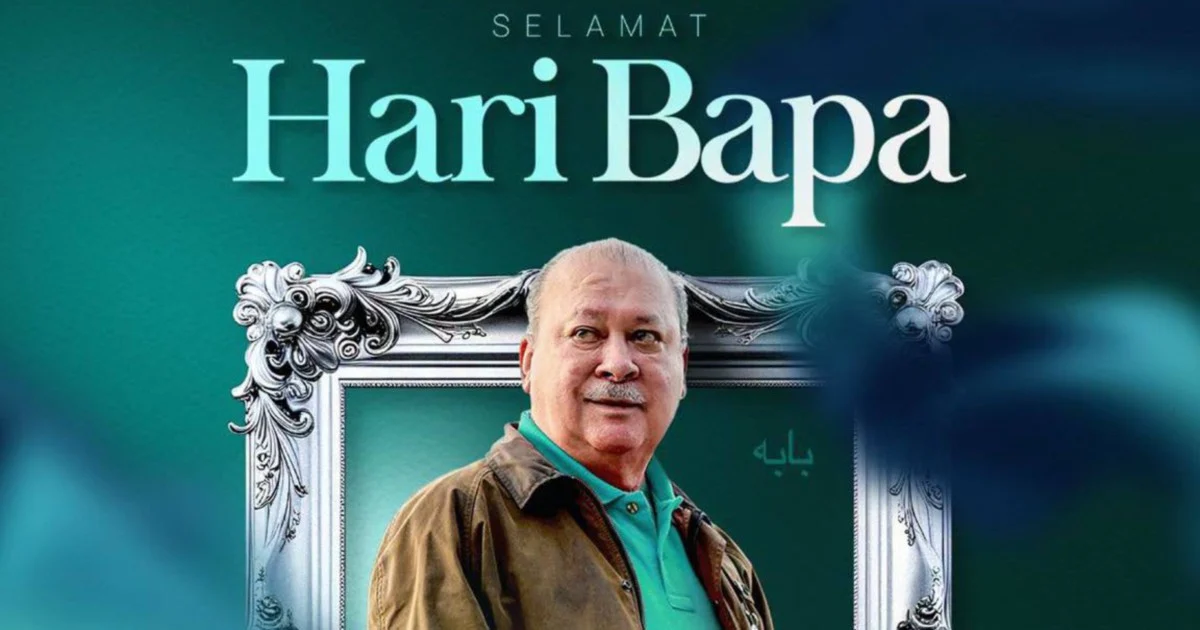
The nation's top royal couple has joined millions of Malaysians in celebrating the contributions of fathers during Father's Day observances. His Majesty Sultan Ibrahim, King of Malaysia, and Her Majesty Raja Zarith Sofiah, Queen of Malaysia, sent official greetings recognising the vital role that fathers play in strengthening families and building the fabric of Malaysian society.
The royal message represents the constitutional monarchy's acknowledgement of family values that remain central to Malaysian culture and identity. As the ceremonial head of state, the King's endorsement of such occasions carries particular significance, reinforcing national values around paternal responsibility, family cohesion, and the intergenerational bonds that underpin communities across the country.
Father's Day celebrations in Malaysia typically reflect broader societal conversations about masculinity, parenting, and family dynamics in contemporary society. The observance provides an opportunity for reflection on how paternal roles have evolved across generations, particularly as economic development and changing social structures reshape household responsibilities and gender relations within Malaysian families.
The royal gesture underscores how traditional celebrations have been integrated into the official calendar of state functions and recognition. By formalising acknowledgment through the monarchy, such observances gain institutional weight and cultural legitimacy, encouraging public participation and reinforcing these occasions as markers of national identity.
Within the Malaysian context, where family structures traditionally emphasise hierarchical relationships and respect for elders, Father's Day carries particular cultural resonance. The celebration intersects with values rooted in Islamic teachings, Malay customs, and the multicommunal framework that characterises the nation, as diverse Malaysian families across different ethnic and religious communities observe paternal traditions according to their own customs.
The timing of such greetings often coincides with broader patterns of royal engagement with public life. The monarchy's regular participation in national observances, from religious holidays to family-focused celebrations, reflects the institution's role as custodian of national symbols and values. These interactions help maintain the relevance of constitutional monarchy in modern Malaysia.
For many Malaysian families, Father's Day serves as a practical occasion to express gratitude and strengthen relationships that may become strained amid demanding work schedules and rapid urbanisation. The royal acknowledgment validates this personal practice at a national level, affirming its importance to Malaysia's collective wellbeing.
The message also arrives within a context where discussions about work-life balance and mental health increasingly intersect with questions about paternal involvement and family time. By extending formal recognition, the monarchy implicitly endorses these contemporary social concerns alongside traditional values of paternal authority and provision.
Such royal pronouncements, though ceremonial in nature, serve important functions in Malaysian civic life by marking the calendar, reinforcing communal values, and providing touchstones for national reflection. The King and Queen's participation in celebrating fatherhood sends signals about which social institutions and family roles the state considers worthy of recognition and honour.
The Father's Day greetings reflect how Malaysia's royal institution continues to engage meaningfully with the daily lives and personal relationships of its citizens. Through such messages, the monarchy remains visible and accessible to ordinary Malaysians beyond state ceremonies and constitutional functions.
As Malaysian society continues to navigate complex transitions in family structures, gender roles, and parenting philosophies, occasions like Father's Day—endorsed by the highest institutions of state—remain important anchors for cultural continuity. They provide spaces where tradition and modernity coexist, allowing Malaysians to honour established values while adapting them to contemporary circumstances.
The royal couple's recognition of fathers also acknowledges demographic realities, as Malaysia's workforce increasingly includes dual-income households where paternal engagement in childcare and domestic responsibilities has become more common. The celebration thus resonates across traditional and progressive family models alike, maintaining its relevance to diverse Malaysian experiences.

