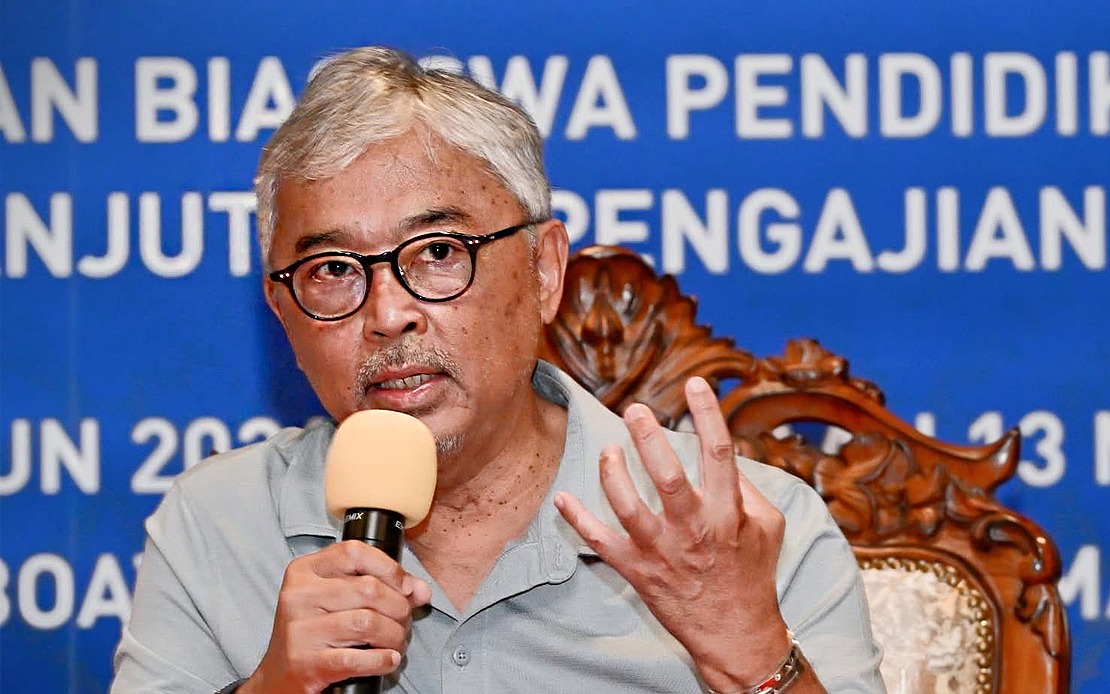
The Sultan of Pahang, Al-Sultan Abdullah Ri'ayatuddin Al-Mustafa Billah Shah, has issued a directive calling on more universities throughout Pahang to create and expand scholarship opportunities targeting students from Tioman Island. Speaking during an occasion to present scholarships to two exceptional scholars from the island, the Sultan framed educational access as a matter of royal concern and state responsibility, emphasising that geographical remoteness should not become a barrier to quality higher learning. His intervention highlights growing recognition among Malaysian leadership that island and rural communities face systemic disadvantages in accessing tertiary education despite producing academically capable graduates.
The Sultan's appeal specifically referenced the initiative undertaken by the Institut Jantung Negara University College (IJNUC), which awarded scholarships to the two Tioman Island students pursuing studies at the institution's Kuala Lumpur campus. By positioning IJNUC's action as a model worthy of replication, the Sultan effectively challenged other Pahang-based universities to demonstrate comparable commitment to inclusive educational access. This framing transforms a single institutional programme into a broader expectation and standard against which other universities will be measured by royal and public opinion alike, potentially creating momentum for similar initiatives across the state's higher education landscape.
The Sultan's remarks underscore a critical challenge facing Malaysia's education system: the underutilisation of talented youth from peripheral communities. Tioman Island, while economically dependent on tourism and fishing, historically struggles to retain academically gifted students through secondary education and beyond, with limited local pathways to tertiary qualification. By directing universities to proactively reach these populations, the Sultan advocates for an outbound recruitment philosophy that treats island and rural areas not as passive recipients of educational charity but as repositories of underdeveloped potential deserving systematic investment.
Through his public endorsement, the Sultan validated the scholarship recipients' achievements and simultaneously transmitted a powerful message about expectations for their academic journey. He instructed both students to regard success not merely as personal ambition but as a responsibility bearing weight for their entire community, telling them they would serve as benchmarks for future generations of Tioman youth. This framing transforms individual scholarships into collective investments with broader social implications, suggesting that each graduate's success reverberates through their island community as proof of concept for broader educational mobility.
The Sultan further counselled the students on discipline, time management, and sustained focus throughout their tertiary studies, advice that reflected both paternal concern for their welfare and recognition that transition to metropolitan university life presents particular challenges for island-based students. Such guidance, offered publicly and with royal authority, carries weight beyond typical institutional orientation, establishing the Sultan as an engaged stakeholder in their educational outcomes rather than a ceremonial participant in award presentation.
The Sultan's commendation of the Institut Jantung Negara extended beyond the immediate scholarship initiative to encompass the institution's broader corporate social responsibility programming across Pahang. He acknowledged IJN's consistent engagement with underserved communities, including efforts in areas such as Kampung Bantal, demonstrating that his vision for educational opportunity exists within a wider framework of institutional accountability toward disadvantaged populations. This perspective suggests that universities should be evaluated not solely on academic metrics but on demonstrable commitment to community development and equitable resource distribution.
The Sultan specifically recognised IJN's international standing as a leading cardiac treatment centre within Asian medical institutions, framing the scholarship initiative as reflecting institutional values that extend beyond medical excellence to social responsibility. By linking technical expertise with community engagement, he articulated a conception of institutional excellence that integrates cutting-edge capability with grassroots commitment—a model potentially applicable across Malaysia's higher education sector. The implication is that truly excellent institutions should demonstrate concern for populations most distant from their main campuses and constituencies.
The Sultan's personal appreciation for IJN's services extended to acknowledging the institution's role in addressing his own health needs, creating a relationship of mutual obligation and goodwill that appears to underpin their expanding partnership with the Pahang state government. This personal dimension adds depth to the public endorsement, suggesting that institutional leaders who maintain courteous relationships with the sultanate may expect increased opportunity and approval for their initiatives, including scholarship programmes targeting priority populations identified by royal authority.
For Malaysian policymakers and university administrators, the Sultan's intervention provides explicit royal direction regarding equity and access in higher education. As education minister priorities emphasise both academic excellence and inclusive enrolment, the Sultan's public support for targeted scholarships to disadvantaged communities aligns with broader national objectives while demonstrating how state-level leadership can mobilise institutional resources toward specific developmental goals. The directive implicitly suggests that universities failing to engage with island and rural populations may face reputational challenges and reduced royal patronage, creating incentive structures that extend beyond financial benefit.
The Tioman Island scholarship initiative also reflects recognition of Malaysia's geographic diversity and the specific challenges confronting island communities. Unlike mainland rural areas accessible by road infrastructure, islands require shipping and flight logistics for student access to tertiary institutions, generating higher opportunity costs and transport expenses that discourage academic aspiration among qualified candidates. By targeting Tioman specifically, the Sultan identified a community where even exceptional students face structural barriers to educational advancement, making the scholarship initiative both symbolically and practically significant.
Looking forward, the Sultan's appeal may catalyse a competitive dynamic among Pahang universities to establish or expand similar programmes, either to demonstrate civic responsibility or to secure royal favour and public recognition. If other institutions respond positively, Tioman Island could experience a substantial increase in scholarship opportunities, fundamentally altering educational prospects for successive cohorts of island youth. Such cascade effects demonstrate how royal intervention, particularly when coupled with institutional prestige like that enjoyed by IJN, can rapidly reshape institutional priorities and resource allocation across an entire state system.
The broader significance of this initiative extends to questions of social mobility, meritocratic access, and regional development equity. Malaysia's stated commitment to inclusive growth and human capital development finds concrete expression through such targeted interventions, yet the reliance on royal initiative rather than systematic policy framework suggests that educational equity may depend significantly on individual advocacy rather than institutional obligation. For Malaysian readers, particularly those from peripheral communities, the Sultan's intervention offers both encouragement and a reminder that educational opportunity remains somewhat dependent on proximity to and favour from traditional authority structures rather than automatic entitlement based on merit alone.

