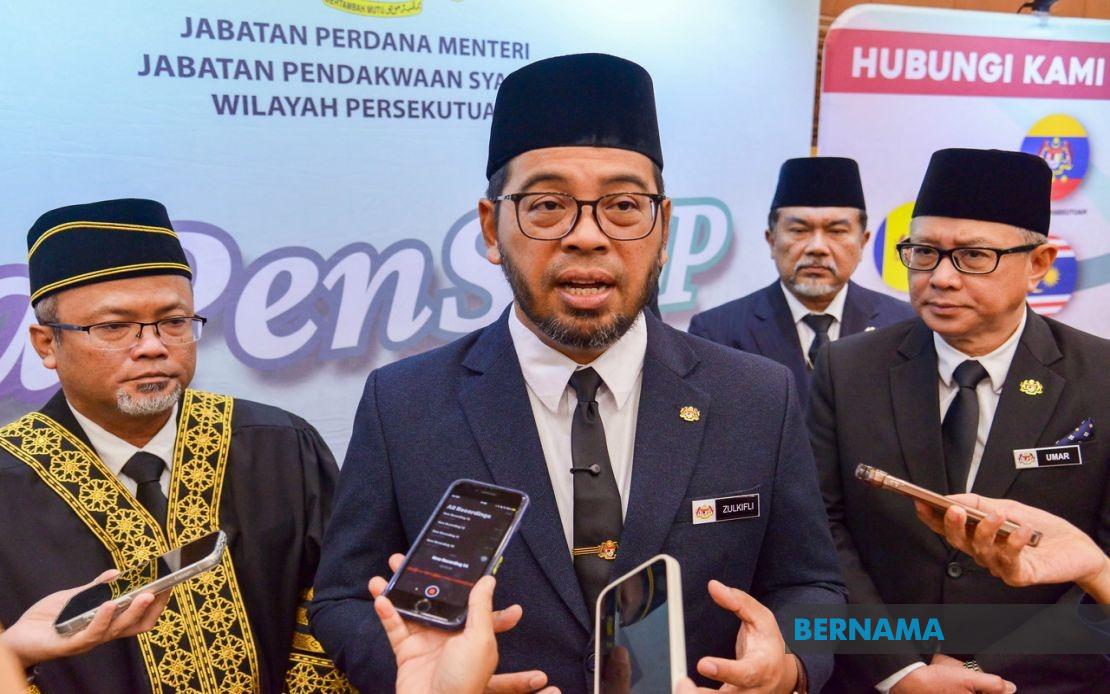
The long-awaited legislation to establish a formal remuneration framework for Syariah Court judges in Malaysia is approaching its completion, according to Religious Affairs Minister Dr Zulkifli Hasan, who outlined the progress during remarks made at an event in Putrajaya on July 15. The proposal, which aims to enhance the professional status and compensation of judges operating within the country's Islamic judicial system, has undergone extensive study and stakeholder consultation and is now in its concluding stages before advancing to Cabinet consideration for approval.
Dr Zulkifli emphasized that while the foundational documents underpinning the Syariah Judges' Remuneration Act have already been prepared, refinement work continues to ensure comprehensive accuracy and alignment with constitutional and administrative requirements. The Department of Syariah Judiciary Malaysia (JKSM) is leading this process in coordination with other relevant government agencies, reflecting the cross-institutional nature of the initiative. Officials remain committed to expediting the timeline, though they have indicated that rushing the process would be inadvisable given the financial and structural implications embedded within the legislation.
The minister's comments build on earlier pronouncements by Prime Minister Datuk Seri Anwar Ibrahim in July 2024, when the government reaffirmed its determination to fast-track implementation of the act. The Prime Minister's statement underscored the administration's view that upgrading the remuneration and institutional standing of Syariah judges represents a priority within its broader judicial modernization agenda. This renewed emphasis at the highest executive level has injected political momentum into what has been a years-long policy development exercise.
Beyond the judges' remuneration framework, Dr Zulkifli disclosed parallel progress on a second major institutional reform: the establishment of a dedicated Syariah Prosecution Department (JPSM). This proposed agency would represent a structural evolution in how the Islamic legal system manages prosecutorial functions, separating these responsibilities from existing arrangements and creating a specialized prosecutorial body aligned with modern administrative best practices. The JPSM proposal is similarly in its policy refinement phase and awaits Cabinet consideration alongside the remuneration legislation.
The collaborative approach driving both initiatives has proven essential to their development. Engagement sessions conducted with state governments have been instrumental in incorporating provincial perspectives into policy formulation, reflecting Malaysia's federal structure where Islamic law administration involves both federal and state jurisdictions. Dr Zulkifli stressed that this consultative process is not a formality but rather a genuine effort to ensure that the final legislation accommodates the legitimate concerns and operational realities of all stakeholders, particularly the states whose courts and judges would be directly affected.
The complexity underlying these ostensibly administrative reforms extends to their financial dimensions. Establishing a proper remuneration structure for Syariah judges carries budgetary implications that require careful fiscal planning and coordination with the Ministry of Finance. This financial assessment component has necessitated thorough groundwork to ensure that the proposed compensation framework is not merely equitable but also sustainable and aligned with broader government fiscal parameters. Officials have indicated that feedback from all relevant agencies remains under review as final figures and benefit structures are locked down.
For Malaysia's Islamic judicial system, these developments hold considerable significance. Syariah courts handle matters of personal law affecting millions of Muslims, adjudicating cases involving family law, inheritance, and religious conduct. The current situation sees judges operating within a framework that many have argued does not adequately reflect the importance of their role or provide competitive compensation relative to civil service counterparts. By formally establishing remuneration standards through legislation, the government aims to enhance judicial independence, attract higher-caliber candidates to the bench, and reinforce the institutional legitimacy of the Syariah system.
The regional context amplifies the importance of Malaysia's judicial reforms. As a Muslim-majority nation with a sophisticated Islamic legal framework, Malaysia's approach to modernizing Syariah institutions influences broader conversations across Southeast Asia about integrating religious law within contemporary governance structures. The formalization of judge remuneration through statute represents a move toward institutionalizing what has historically been a more ad hoc compensation arrangement, aligning Islamic judicial practice with contemporary administrative standards.
Stakeholder feedback continues to shape the legislative proposals as they approach finalization. The engagement process has involved not only state governments but also professional bodies, judicial administrators, and other parties with direct interests in how the reforms unfold. This iterative consultation process, while extending timelines, has generated broader institutional buy-in and reduced the prospect of implementation challenges once the legislation is enacted. Dr Zulkifli's description of the work as a "collective effort" rather than a centralized initiative underscores this inclusive methodology.
The timing of these reforms intersects with broader questions about judicial capacity and modernization in Malaysia. As caseloads in Syariah courts have grown and societal expectations regarding judicial efficiency have intensified, questions about judicial resources and professional development have become increasingly pressing. Establishing formal remuneration structures facilitates better human resource planning, enables investment in judge training and development, and creates clearer career progression pathways.
Looking ahead, officials have indicated that Cabinet presentation of both the remuneration legislation and the prosecution department proposal may occur within a reasonable timeframe, though no specific dates have been announced. Once Cabinet approves the framework, the legislative drafting process would advance toward parliamentary consideration. Given the religious and constitutional dimensions of Syariah law reform, some observers anticipate that parliamentary debate may involve substantive discussion of the proposals, particularly from members representing states with significant Syariah court portfolios.

