Malaysia will introduce comprehensive amendments to the Tabung Haji Act 1995 designed to overhaul financial reporting standards and enhance regulatory oversight of the Islamic pilgrimage fund, following damning findings by a Royal Commission of Inquiry into the institution's management between 2014 and 2020. The proposed legislative changes will establish clearer legal frameworks, mandate prescribed accounting standards, and introduce penalties for financial misreporting—measures intended to address systemic weaknesses identified in the RCI's 211-page report released publicly on 29 July.
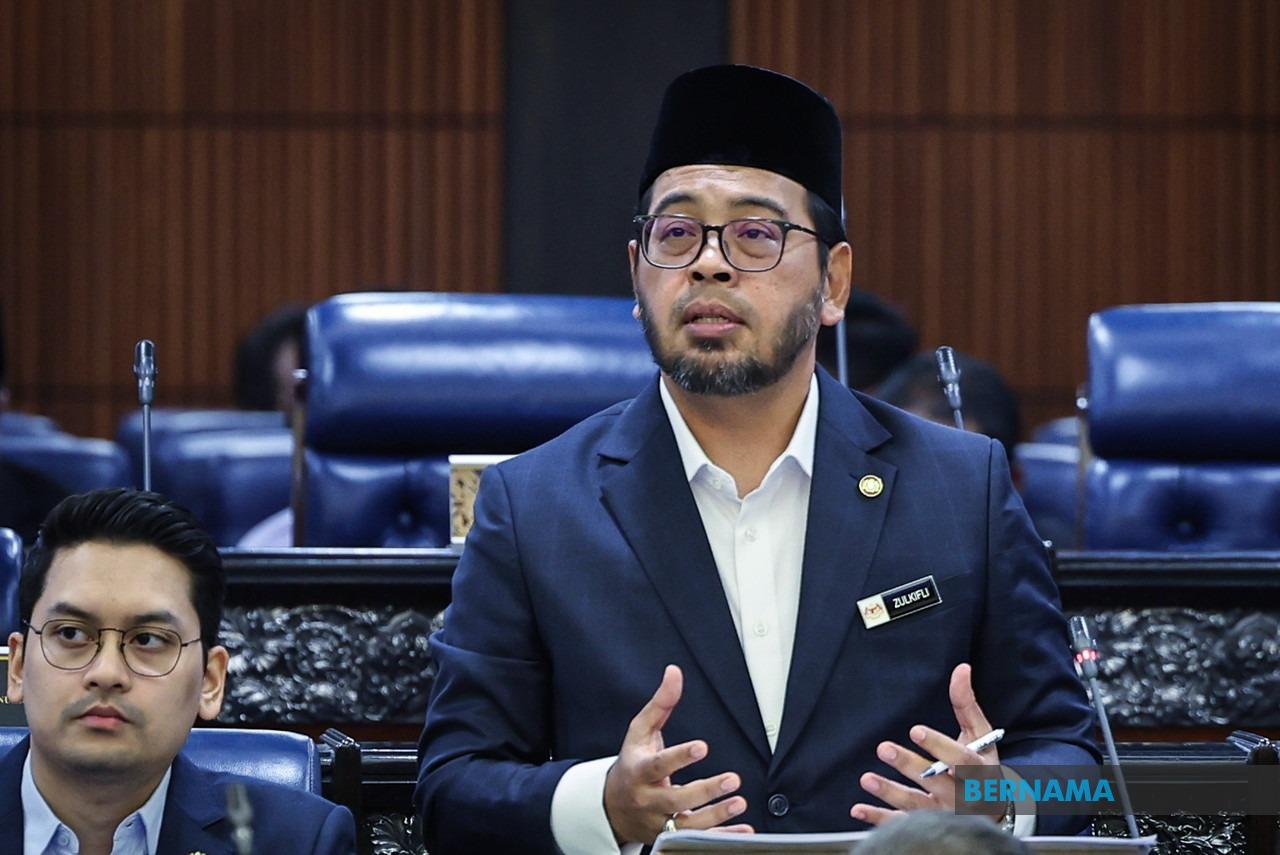
Dr Zulkifli Hasan, the Minister in the Prime Minister's Department (Religious Affairs), unveiled the government's implementation strategy during a special parliamentary sitting dedicated to scrutinising the RCI findings. The legislative overhaul represents a decisive response to institutional failures that undermine public confidence in one of Malaysia's most significant Islamic financial institutions, which manages billions of ringgit in hajj savings for Muslim Malaysians. The amendments will comprehensively address governance lapses, investment practices, and administrative conduct that the RCI documented across nearly a decade of operations.
A task force comprising the Tabung Haji chairman, Bank Negara Malaysia governor, and Securities Commission chairman has been established to examine regulatory frameworks. The task force has already reached consensus on a pivotal restructuring: transferring oversight of the fund's investment and asset management activities to the Securities Commission, while maintaining religious affairs ministry supervision of hajj operations and pilgrimage-related functions. This bifurcated regulatory approach aims to achieve specialised oversight tailored to distinct operational domains, with Tabung Haji retaining its status as a unified entity rather than undergoing structural fragmentation.
One of the RCI's most prominent criticisms concerned excessive executive compensation practices. The inquiry determined that staff bonuses had reached unsustainable levels relative to institutional performance, distorting incentive structures and depleting reserves unnecessarily. In response, Tabung Haji has implemented a revised remuneration framework that calibrates bonus distributions to overall financial performance and the achievement of institutional and individual key performance indicators. The new policy requires formal approval from both the religious affairs and finance ministers, introducing political oversight that creates accountability barriers against future excess.
The RCI also identified deficiencies in profit distribution transparency. Tabung Haji has since adopted the practice of announcing dividend rates exclusively on the basis of fully audited annual financial statements, a measure implemented since 2022 that provides depositors with verified information rather than provisional estimates. This represents material progress toward the RCI's recommendation for clearer statutory provisions governing profit calculation and distribution methodologies. Additionally, the fund's financial statements have achieved full compliance with relevant accounting standards since 2018, establishing a foundation for the more rigorous reporting requirements embedded in the forthcoming legislative amendments.
Governance reform constitutes another substantial component of the amendments. The RCI had recommended establishing explicit eligibility criteria and expertise-based selection procedures for board appointments, coupled with prohibitions preventing active politicians from serving as chairman or board members. These provisions aim to insulate leadership selection from political influence and prioritise technical capability and institutional knowledge. Tabung Haji has already begun implementing such criteria, applying integrity, capability, and experience standards aligned with Bank Negara Malaysia's 'fit and proper' framework to appointment decisions across board and management levels.
Dr Zulkifli emphasised that Malaysia possesses sufficient reservoirs of capable technocrats and individuals of recognised integrity to sustain professional stewardship of Tabung Haji without requiring political involvement. This assertion reflects confidence that depoliticising governance structures will enhance institutional credibility and operational effectiveness. The minister characterised Tabung Haji's current state as substantially improved across hajj management, investment administration, financial health, and general operations—a recovery narrative dependent upon successful implementation of ongoing reform measures and legislative strengthening.
The comprehensive nature of these amendments reflects the seriousness with which policymakers regard the RCI's findings. The inquiry's investigation into more than six years of operations produced detailed documentation of management failures, governance gaps, and fiduciary breaches that collectively undermined institutional legitimacy. By embedding RCI recommendations into statutory law rather than relying upon administrative action alone, the government signals intention to establish enduring institutional safeguards resistant to reversal through subsequent administrative convenience or political pressure.
For Malaysian pilgrims and depositors, these changes carry considerable significance. Tabung Haji functions as the custodian of hajj savings for millions of Malaysians, many of whom accumulate contributions over decades to finance religious obligations. The RCI's exposure of past mismanagement created legitimate anxieties regarding asset security and return rates. Strengthened financial reporting requirements, enhanced regulatory oversight, and reinforced governance standards provide measurable reassurance that institutional practices will henceforth operate under more rigorous scrutiny and statutory constraints. The legislative amendments transform oversight from primarily administrative discretion into enforceable legal requirements, elevating accountability mechanisms and creating enforceable consequences for future misconduct.
The establishment of the inter-agency task force itself demonstrates coordination across traditionally separate regulatory domains. By bringing together Bank Negara Malaysia and the Securities Commission with Tabung Haji leadership, the framework creates opportunities for regulatory alignment and information sharing that can strengthen supervisory effectiveness. This collaborative approach recognises that comprehensive institutional oversight requires multi-stakeholder engagement rather than isolated regulatory silos, particularly given the intersection of Islamic finance principles, pilgrimage operations, and investment management within Tabung Haji's mandate.
The parliamentary sitting provided MPs opportunity to scrutinise the RCI report and debate implementation strategies, with both Dr Zulkifli and Finance Minister II Datuk Seri Amir Hamzah Azizan scheduled to conclude proceedings. This legislative engagement process ensures that reform efforts receive parliamentary endorsement and oversight, embedding implementation accountability within democratic accountability structures. The public release of the 211-page RCI report itself represents transparency—a stark contrast to alternative approaches involving confidential findings—that facilitates informed public discourse regarding institutional performance and reform adequacy.
Looking ahead, the proposed amendments to the Tabung Haji Act 1995 will test the government's commitment to translating inquiry recommendations into durable institutional change. The legislative pathway typically requires parliamentary passage and may involve consultation processes that extend implementation timelines. Yet the existence of consensus among relevant regulators regarding fund management oversight allocation, combined with documented progress across governance, compensation, and reporting domains, suggests momentum toward substantive reform rather than cosmetic adjustment. Success will ultimately depend upon rigorous enforcement of new statutory requirements and sustained political support for depoliticised institutional governance extending across multiple electoral cycles.

