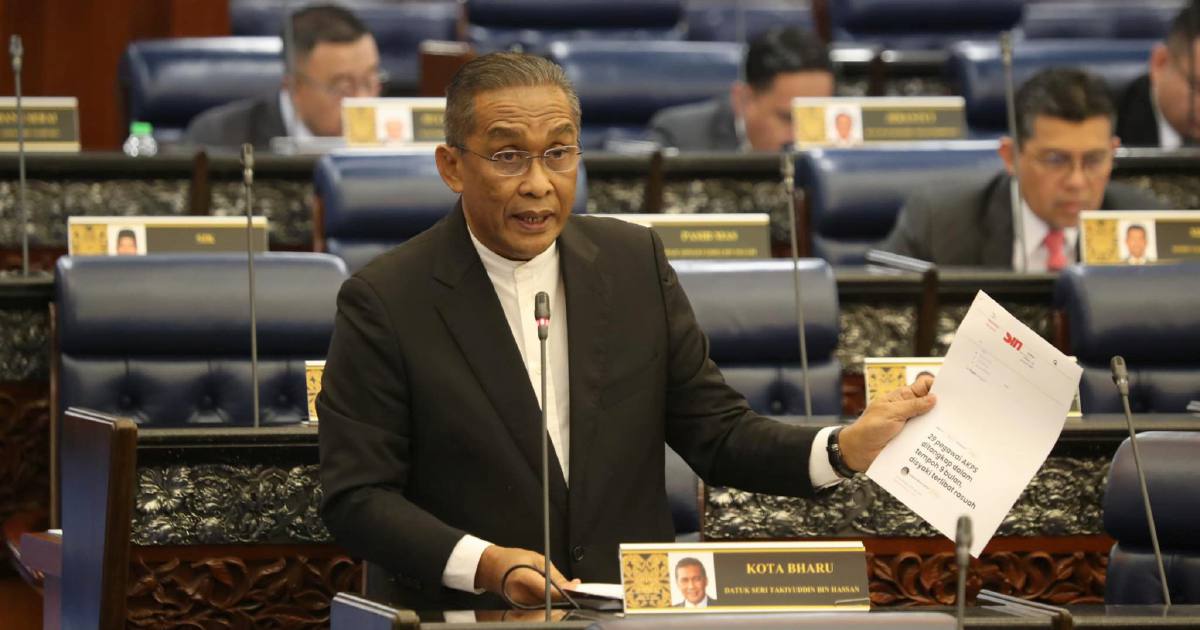
The parliamentary calendar faces a potential shuffle after the Opposition's chief whip sought to delay a crucial sitting. Datuk Seri Takiyuddin Hassan, the Umno leader holding the role, has formally requested that the special Dewan Rakyat session examining the Royal Commission of Inquiry findings on Tabung Haji should not proceed until Prime Minister Datuk Seri Anwar Ibrahim has returned from his overseas commitments. The timing of the request underscores ongoing parliamentary management challenges and broader political sensitivities surrounding the beleaguered pilgrimage fund.
The Tabung Haji RCI report represents a significant moment for Malaysia's political establishment, given the fund's prominence as a key institution serving the country's Muslim majority. With an enormous membership base and substantial assets, the inquiry's conclusions carry weight far beyond Parliament's legislative functions. The findings are expected to detail systemic issues, governance lapses, or financial mismanagement that have plagued the organisation in recent years. Any parliamentary debate on the matter naturally attracts heightened scrutiny from religious communities, civil society, and international observers monitoring Malaysia's institutional accountability efforts.
Takiyuddin's intervention reflects standard parliamentary protocol in systems where prime ministerial presence carries symbolic and substantive importance. Opposition leaders frequently invoke the principle that major policy discussions deserve the nation's chief executive in the chamber, particularly when examining institutional failures or proposing remedial measures. The request, while procedurally routine in nature, also signals the Opposition's broader tactical approach to managing debates in a parliament where coalition dynamics remain fluid and unpredictable. By requesting postponement rather than opposing the sitting outright, Takiyuddin maintains a constructive posture while simultaneously asserting the Opposition's voice in parliamentary scheduling.
Anwar's absence during this period reflects his international obligations as head of government. Prime ministers routinely balance domestic parliamentary duties with foreign policy engagement, bilateral meetings, and regional forums that sustain Malaysia's diplomatic standing. The tension between these responsibilities—attending Parliament versus fulfilling international commitments—remains a persistent challenge for any administration. Whether Anwar's overseas schedule involved official state visits, multilateral summits, or economic delegations, his absence during a major parliamentary debate inevitably creates procedural friction and political talking points.
The Tabung Haji institution itself has endured years of institutional strain. The pilgrimage fund, which manages savings and investments for Malaysian Muslims preparing for the hajj, faced significant challenges affecting subscriber confidence and financial stability. These difficulties prompted the establishment of the RCI, tasked with investigating the root causes of problems and recommending structural reforms. The inquiry's completion and subsequent parliamentary review represent crucial steps toward rebuilding trust in an organisation that many Malaysians rely upon for spiritual and financial preparation towards one of Islam's Five Pillars.
Parliamentary sittings specifically scheduled to address RCI reports or major institutional inquiries typically command extensive media attention and public interest. Opposition members, government backbenchers, and senior ministry figures prepare detailed statements, questions, and proposed amendments. The absence of the Prime Minister—who typically would provide executive perspective on implementation timelines and resource allocation for recommended changes—could diminish the sitting's effectiveness and send unintended signals about government commitment to addressing the inquiry's findings. This practical consideration underpins arguments for rescheduling.
From a procedural standpoint, Malaysian Parliament operates under flexible rules allowing postponement of scheduled sittings when significant circumstances warrant delay. The Speaker and House leadership retain considerable discretion in such matters, though requests from either government or Opposition leadership typically receive respectful consideration. Takiyuddin's formal call therefore carries weight beyond mere suggestion; it represents an official parliamentary position that House leadership must formally address and decide upon. The outcome will likely reflect behind-the-scenes negotiations between government whips and Opposition counterparts, balanced against the parliamentary calendar's other commitments and the broader political calendar.
For Malaysian citizens invested in institutional reform and government accountability, the timing question touches on deeper concerns about political prioritisation. A postponement would potentially delay public examination of findings affecting millions of hajj savers nationwide. Conversely, proceeding without the Prime Minister might limit the executive's ability to responsively address parliamentary concerns and outline concrete implementation strategies. Neither scenario appears wholly satisfactory from a governance perspective, highlighting the inherent tensions between scheduling practicality and substantive parliamentary function.
The situation also reflects broader patterns in Malaysian politics where procedural manoeuvres carry political significance. By requesting postponement through proper channels rather than attempting obstruction, the Opposition signals both respect for parliamentary norms and strategic patience. This approach allows Takiyuddin and his colleagues to position themselves as defenders of robust parliamentary process while awaiting Anwar's return, potentially strengthening their arguments when the debate eventually occurs. For the government, acceding to the postponement request demonstrates flexibility and responsiveness to Opposition concerns, while proceeding might appear dismissive of cross-party consultation norms.
The outcome of this procedural question will likely emerge from negotiations between parliamentary leadership on both sides, with the Speaker ultimately determining the sitting's fate. Whether the debate proceeds as scheduled or shifts to accommodate Anwar's return, the Tabung Haji RCI report's contents and Parliament's substantive examination of institutional reform remain central to addressing stakeholder concerns. The parliamentary calendar adjustment, though procedurally significant, ultimately serves these larger governance imperatives and the millions of Malaysians depending on restored confidence in the pilgrimage fund's operations and stewardship.

