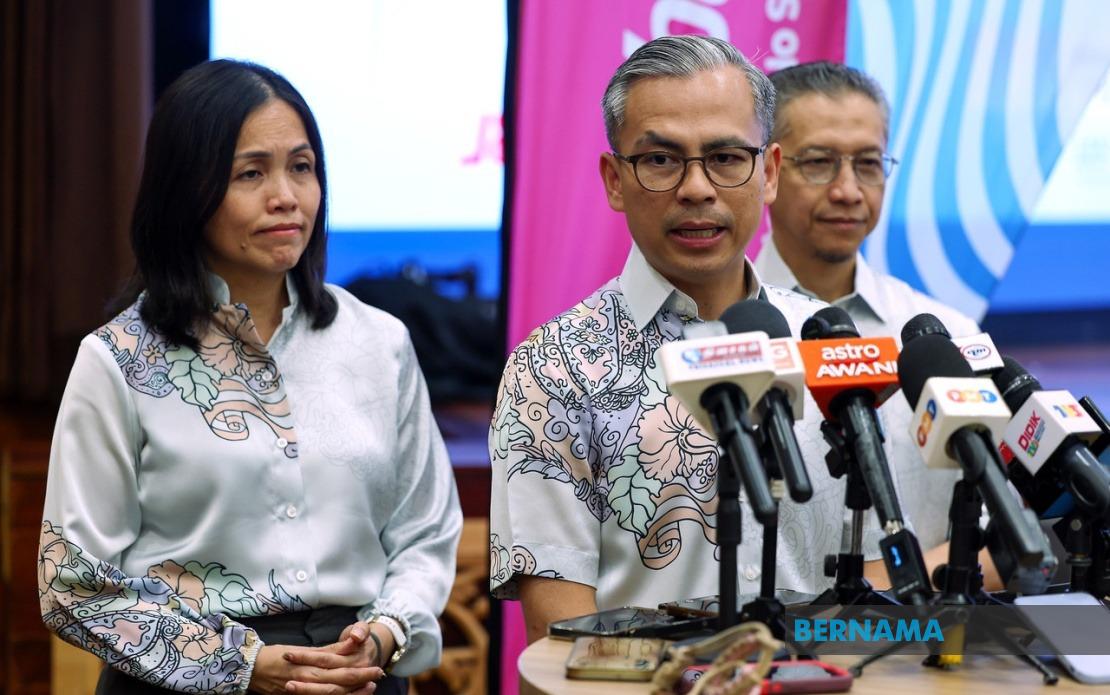
The Royal Commission of Inquiry report on Lembaga Tabung Haji has been transmitted to multiple government agencies for thorough investigation, Communications Minister Datuk Seri Fahmi Fadzil announced in Putrajaya on August 12. The inquiry's findings and all supporting documentation will now be examined by the Royal Malaysia Police, Malaysian Anti-Corruption Commission, Bank Negara Malaysia, the Inland Revenue Board, and agencies overseeing anti-money laundering regulations, he said. This coordinated approach follows Prime Minister Datuk Seri Anwar Ibrahim's earlier direction to distribute the report across the relevant investigative and regulatory bodies based on their respective jurisdictions.
The RCI, which was released publicly on July 29, identified various shortcomings in Tabung Haji's administrative and operational procedures spanning the 2014-2020 period. The commission issued 25 recommendations designed to address these systemic issues, with Tabung Haji confirming that approximately 75 percent had already been actioned by the end of July. The breadth of institutions now receiving the report underscores the complexity of the findings and the multi-faceted nature of concerns identified during the inquiry's investigation into Malaysia's pilgrimage fund.
Fahmi's announcement came following a special parliamentary sitting the previous day during which Dr Zulkifli Hasan, Minister in the Prime Minister's Department overseeing Religious Affairs, and Finance Minister II Datuk Seri Amir Hamzah Azizan provided comprehensive briefings to members of Dewan Rakyat. The parliamentary debate enabled lawmakers to scrutinise the report's contents and deliberate on its implications for the statutory body responsible for managing the savings and investment schemes of Malaysian Muslims preparing for the hajj pilgrimage. Thirty-nine MPs participated in the debate following the ministerial presentations.
Parliamentary proceedings were marked by considerable contention, however. Several opposition MPs representing Perikatan Nasional withdrew from the chamber and boycotted both the ministerial briefing and subsequent debate in protest at Speaker Tan Sri Johari Abdul's decision to proceed with proceedings despite the absence of Prime Minister Anwar Ibrahim. The walkout highlighted existing tensions within Parliament regarding procedural matters and the attendance of senior government figures during legislative debates on significant matters of public concern.
When questioned about calls from both Barisan Nasional and Pakatan Harapan lawmakers for the government to establish a second RCI examining Tabung Haji's operations during 2021-2025, Fahmi indicated that any such decision would require approval from both the Cabinet and the Yang di-Pertuan Agong. He emphasised that Royal Commissions of Inquiry carry constitutional significance beyond ordinary Cabinet resolutions, necessitating formal royal assent. This distinction between conventional ministerial decisions and those requiring monarchical involvement reflects the constitutional framework governing Malaysia's governance institutions.
Tabung Haji operates as a crucial financial institution for Malaysia's Muslim population, managing contributions from individuals saving toward the hajj pilgrimage and offering various investment products. The discovery of management weaknesses across a six-year period raises questions about oversight mechanisms and governance standards at statutory bodies. For Malaysian Muslims, many of whom entrust considerable personal savings to the organisation, the investigation represents a critical opportunity to identify accountability gaps and implement systemic reforms that strengthen institutional integrity.
Fahmi noted that Parti Pribumi Bersatu Malaysia MPs demonstrated what he characterised as political maturity by attending the parliamentary debate, contrasting this with the opposition stance of other Perikatan Nasional coalition partners. He observed that the absence of PAS MPs and opposition leader Datuk Seri Hamzah Zainudin from the debate was particularly notable given their Cabinet roles when the RCI was initially established in 2021. His remarks underscore the political dimensions of the Tabung Haji matter, which extends beyond administrative reform to encompass broader questions of political accountability and institutional oversight during previous administrations.
The distribution of the RCI report across multiple agencies reflects the interconnected nature of potential violations identified by the commission. The involvement of the MACC suggests possible corruption concerns, while Bank Negara Malaysia's participation points to potential financial regulation breaches. The IRB's inclusion indicates possible tax compliance matters. This compartmentalised but coordinated investigative approach aims to ensure that all dimensions of the inquiry's findings receive appropriate specialist examination according to each agency's statutory mandate and enforcement powers.
For Malaysian investors and policy observers, the investigation process carries implications for institutional governance across the wider statutory authority landscape. Tabung Haji's experience demonstrates that weaknesses in management and operations can persist over extended periods before becoming subject to formal scrutiny. The RCI's public airing of these issues and subsequent distribution for investigation may catalyse broader reviews of governance practices at other government-linked entities and statutory bodies managing public assets and citizen savings.
The timeline for investigation completion remains unclear, with no specified deadlines announced by Fahmi or other government representatives. The complexity of coordinating inquiries across multiple agencies typically requires months or years to complete, suggesting that conclusive findings may not emerge rapidly. This extended investigative phase will likely maintain public attention on Tabung Haji governance, particularly among the millions of Malaysian Muslims whose accumulated hajj savings remain invested through the organisation.
Regional observers tracking Malaysia's institutional reforms have noted the RCI as a significant governance mechanism, with its recommendations and the subsequent investigation serving as benchmarks for transparency and accountability within statutory bodies. The comprehensive nature of the investigation, spanning law enforcement, anti-corruption, financial regulation, and revenue authorities, represents a concerted governmental commitment to addressing the identified weaknesses. How thoroughly these various agencies pursue their investigations and whether their findings result in prosecutions or policy changes will substantially influence public confidence in Malaysia's ability to hold large institutions and their leadership accountable.

