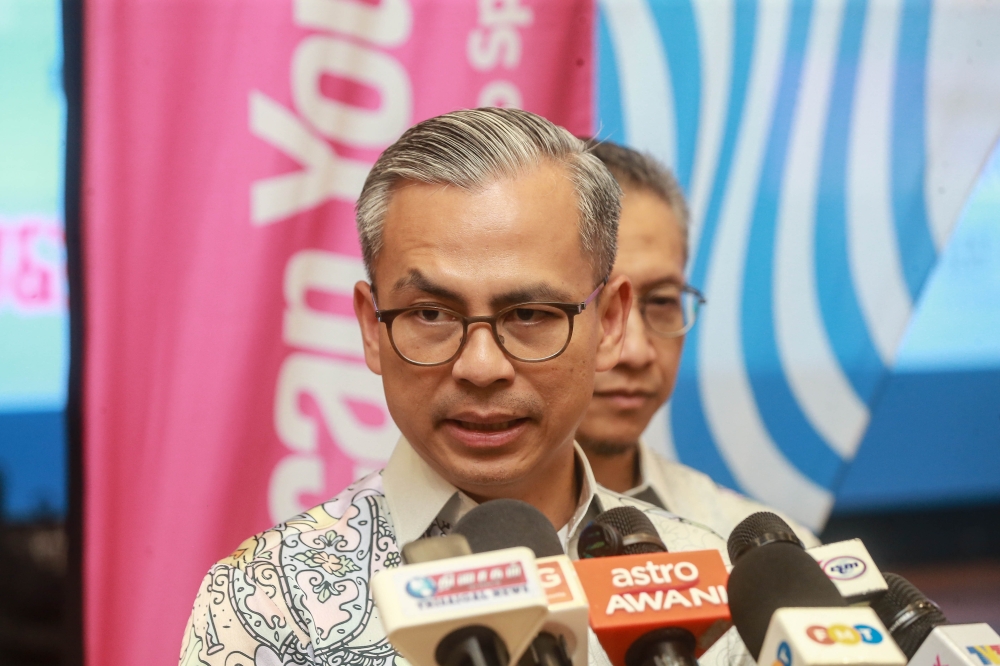
The findings of the Royal Commission of Inquiry examining Lembaga Tabung Haji will be forwarded to law enforcement and regulatory bodies for comprehensive investigation, Communications Minister Fahmi Fadzil revealed on Tuesday in Putrajaya. The comprehensive report, which examined governance and operational matters at the Islamic pilgrim fund management authority, will be disseminated across several key institutions including the Royal Malaysia Police, the Malaysian Anti-Corruption Commission, Bank Negara Malaysia, and the Inland Revenue Board, signalling the government's commitment to pursuing any irregularities identified in the inquiry.
The distribution of the RCI report across multiple agencies reflects the complexity and potentially multi-faceted nature of issues uncovered during the inquiry's investigation into Tabung Haji's operations. By engaging the MACC alongside criminal investigators from the police force, authorities can pursue separate investigations into potential corruption and criminal conduct. Simultaneously, Bank Negara's involvement underscores the financial regulatory dimension, as the central bank holds oversight responsibilities for institutions managing significant public funds. The inclusion of the Inland Revenue Board suggests the inquiry may have identified tax-related matters warranting further examination.
Tabung Haji, which manages savings and investments for Malaysian pilgrims intending to perform the Hajj, holds enormous trust as a religious and financial institution. Malaysians have contributed billions of ringgit to the fund over decades, making governance transparency and proper stewardship of these resources a matter of deep public concern. Any findings suggesting mismanagement or impropriety carry substantial implications not only for the institution itself but also for public confidence in how government-linked entities manage citizen contributions. The decision to involve multiple agencies simultaneously demonstrates official recognition of these broader stakes.
The structure of involving different investigative bodies also allows for operational efficiency. Police can focus on potential criminal breaches, the anti-corruption commission on graft and abuse of position, the central bank on regulatory violations and financial safeguards, and the tax authority on potential fiscal irregularities. This compartmentalised yet coordinated approach, when functioning effectively, can prevent duplication of effort while ensuring comprehensive coverage of various legal dimensions that may emerge from the inquiry's findings.
The RCI's establishment itself reflected mounting public and political pressure regarding concerns about Tabung Haji's administration and investment performance. Over recent years, the institution has faced criticism for declining fund values, investment decisions widely questioned by the financial community, and governance questions that prompted parliamentary scrutiny. The decision to convene a formal inquiry indicated government acknowledgment that these matters required authoritative investigation beyond routine oversight mechanisms. The subsequent forwarding of findings to enforcement agencies represents the logical next phase in addressing whatever deficiencies the commission identified.
For Malaysian pilgrims and their families, the multi-agency investigation signals that any substantiated concerns will receive serious attention. Many Malaysians view Tabung Haji not merely as a financial account but as a sacred trust connected to their religious obligations and aspirations. Confirmation that findings will be rigorously investigated may provide some reassurance that accountability mechanisms are being activated, though the investigation timeline and eventual outcomes remain uncertain. The effectiveness of these agencies' efforts will ultimately determine whether meaningful accountability emerges.
Regionally, Malaysia's approach to investigating governance issues within state-linked institutions carries implications for how Southeast Asian democracies handle accountability. The involvement of independent anti-corruption bodies and financial regulators demonstrates institutional approaches that other nations in the region observe. However, the actual implementation and outcomes will matter more than procedural announcements in shaping the credibility of these investigations and the institutions involved.
The forwarding of the report also addresses an important procedural question about RCI recommendations becoming actionable. Royal Commissions of Inquiry provide findings and recommendations but lack enforcement powers. By directing the report to agencies with statutory authority to investigate and prosecute, the government bridges this gap. This mechanism—moving findings from investigative commissions to enforcement agencies—represents standard practice in Malaysian governance, though the rigour with which receiving agencies pursue matters varies considerably based on available resources, political will, and complexity of the investigations.
Public communication around the report's distribution will likely shape stakeholder perception. Fahmi's announcement itself constitutes an effort at transparency, informing the public that findings are advancing beyond the commission phase. However, subsequent silence or delayed action could undermine confidence, while regular updates on investigative progress could demonstrate institutional seriousness. Media and civil society scrutiny of how thoroughly these agencies pursue their investigations will prove crucial in determining whether the RCI process generates meaningful consequences or becomes merely an exercise in bureaucratic procedure.
The coming weeks and months will reveal whether these agencies prioritise their Tabung Haji investigations amid competing demands and resource constraints. The coordination between MACC, police, Bank Negara, and the Inland Revenue Board will determine investigation scope, timeline, and ultimate findings. For Tabung Haji contributors and Malaysian taxpayers more broadly, the real test of institutional accountability lies not in the announcement of investigations but in their diligent execution and transparent conclusions.

