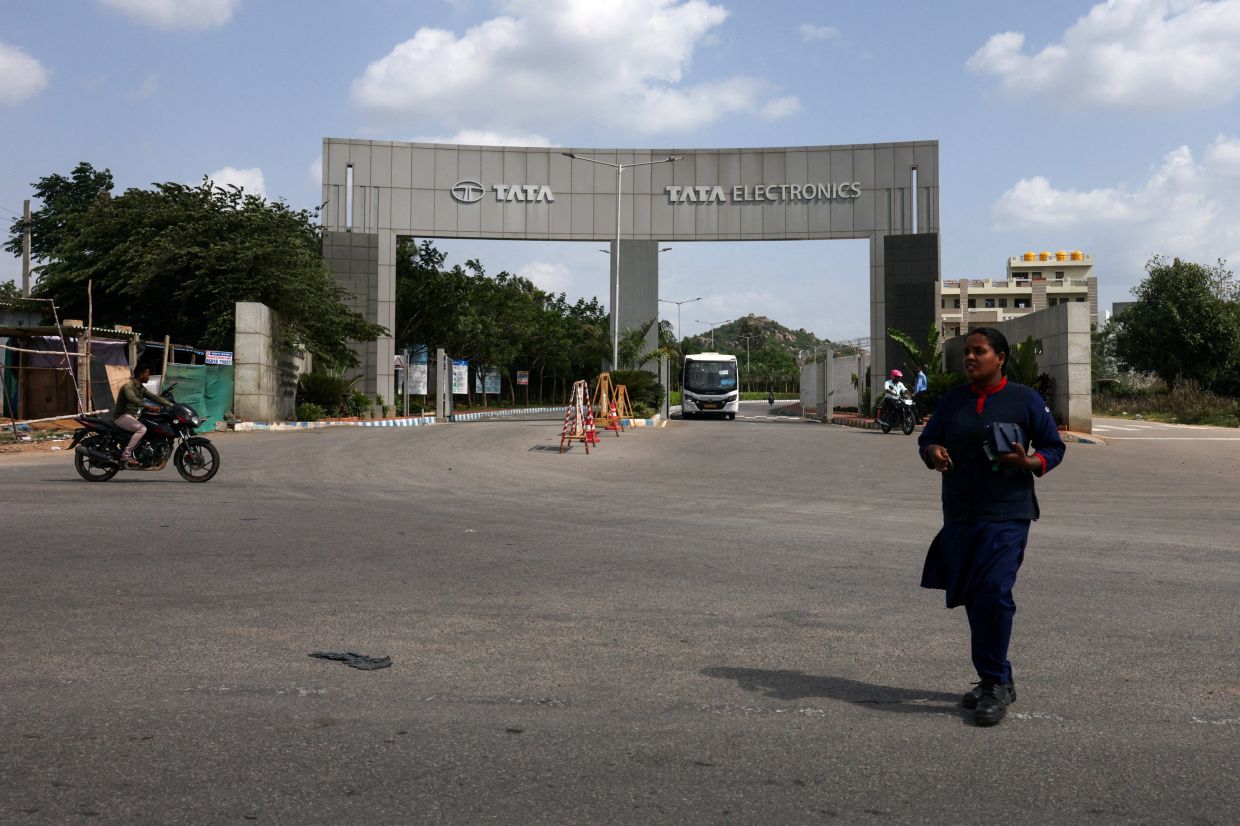
Tata Electronics, a cornerstone of India's ambitions to become a global electronics manufacturing hub, has disclosed a major cybersecurity incident that potentially compromised sensitive intellectual property belonging to Apple and Tesla, two of its most valuable customers. The breach represents a serious challenge to India's growing role in global technology supply chains and raises fresh questions about data security at major manufacturing facilities operating within the country.
The company confirmed on Monday that it had detected the security breach affecting some of its systems several weeks prior, though it maintained that day-to-day operations across all business divisions remained entirely unaffected. However, researchers tracking the incident have identified a ransomware collective known as World Leaks posting what it claims are more than 200,000 files totalling over 630 gigabytes of stolen data on the dark web, including purported component design specifications, manufacturing instructions, and internal communications from both Apple and Tesla.
Apple initiated a comprehensive investigation into the incident and began conducting a full technical analysis of the breach, according to sources familiar with the matter. The California technology firm also received a formal ransom demand connected to the attack, though neither Apple nor Tata Electronics would provide details about the sum or negotiation status. Tesla similarly declined to comment on the alleged breach of its proprietary documents, while Apple did not respond to requests for clarification.
The timing of the incident adds pressure to Tata's manufacturing operations in India, which have already faced scrutiny over environmental concerns. Earlier investigations reported potential contamination of farmland near Tata's iPhone component plant, creating a complex backdrop for this security failure. The breach also represents the second major cyberattack targeting the Tata conglomerate within recent years, following a 2023 ransomware incident that crippled production at its Jaguar Land Rover division for approximately six weeks.
Tata has emerged as one of Apple's most critical manufacturing partners outside mainland China, reflecting the technology giant's deliberate strategy to diversify its supply chain and reduce dependency on Chinese production. This shift aligns directly with Indian Prime Minister Narendra Modi's broader economic agenda to position India as a world-class electronics manufacturing destination. The company currently manages roughly one-third of all iPhone production destined for the Indian market and globally, with Foxconn managing the remaining share. For Tesla, Tata produces critical charging infrastructure components and appears to be involved in manufacturing parts for the upgraded Model Y electric vehicle.
Security researchers who reviewed the data dump on World Leaks identified substantial quantities of sensitive Apple documentation, including a 52-page quality inspection standards manual for iPhone circuit board components bearing Apple's proprietary markings. The database also contained 181 files and folders linked to Apple operations, numerous Tesla technical specifications, and what appeared to be assembly instructions for the company's internally codenamed Project Highland, referring to a completely redesigned Model 3 sedan scheduled for future release. Additional files referenced the NV36 Chargeport Controller designed for advanced versions of Tesla's Model Y.
Indian cybersecurity researcher Rajshekhar Rajaharia, who independently examined the stolen files for verification purposes, discovered that the breach extended far beyond technical specifications. The compromised data included years of email communications, system event logs spanning multiple years, and passport copies belonging to both Indian and foreign national employees working at Tata's facilities. Files specifically related to Tata's Hosur location in Tamil Nadu state—the company's primary iPhone assembly complex—were particularly prominent in the dataset, suggesting the attackers had deep access to systems directly managing Apple's Indian production operations.
The World Leaks collective, which previously claimed responsibility for breaching Nike's security systems, made its initial posting of Tata data available on the dark web beginning around June 10, according to security researcher Rakesh Krishnan's timeline analysis. Multiple documents carried explicit footer notices identifying them as proprietary information belonging to both Apple Inc. and Tesla Inc., with some additionally marked as containing trade secrets subject to confidentiality agreements. The accessibility of these materials exclusively through dark web networks—invisible to conventional search engines—complicates efforts by law enforcement and the companies themselves to monitor and control the information's spread.
The Indian Computer Emergency Response Team, the federal agency responsible for coordinating responses to significant cyberattacks affecting national infrastructure and major corporations, did not immediately provide comment on the incident or its investigation status. Tata informed certain employees working in its iPhone assembly operations of the data breach during the previous week, according to industry sources with direct knowledge of internal communications.
This incident underscores the increasing vulnerability facing multinational technology companies and their manufacturing partners to sophisticated ransomware operations targeting proprietary information and trade secrets. For Malaysia and other Southeast Asian nations competing to attract similar high-value technology manufacturing investments, the breach serves as a cautionary reminder about the cyber risks accompanying integration into global supply chains. The exposure of trade secrets involving future product designs and manufacturing processes could potentially accelerate competitive product development timelines for rivals and complicate confidential business partnerships.
The fallout from the breach extends beyond immediate security concerns. Questions now surround the adequacy of cybersecurity protocols protecting sensitive foreign intellectual property stored within India's manufacturing ecosystem, potentially influencing future investment decisions by technology companies considering production facility locations across Southeast Asia. Companies evaluating India as an alternative to Chinese manufacturing must now weigh enhanced geopolitical benefits against heightened data security risks that this incident has made uncomfortably visible.
For Tata Electronics, the challenge ahead involves not only remedying the immediate technical vulnerabilities that enabled the breach but also rebuilding confidence among its most important clients during a period when India's entire manufacturing sector is working to establish credibility as a trustworthy alternative to established production hubs. The company's ability to demonstrate transparent incident response, strengthen security infrastructure, and maintain operational continuity will significantly influence whether Apple, Tesla, and other international technology firms continue expanding their Indian manufacturing footprint or redirect investment toward alternative locations in Southeast Asia or elsewhere.

