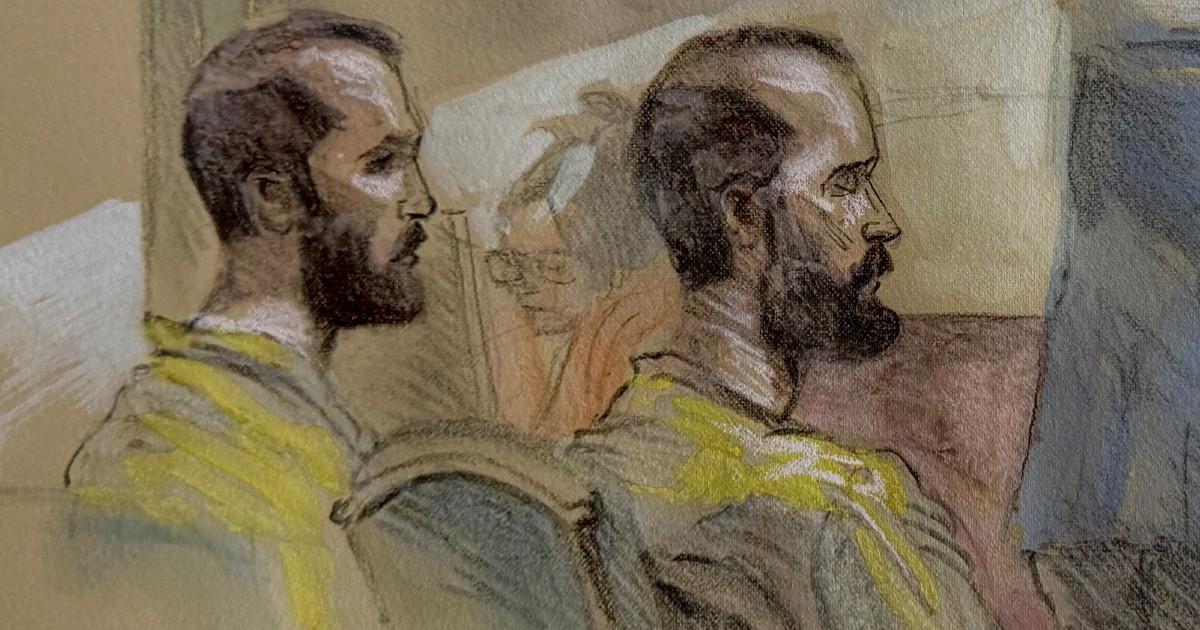
The high-profile internet celebrities Andrew and Tristan Tate will continue their detention in a Miami federal facility while fighting efforts by British authorities to bring them back to face serious criminal allegations. During proceedings held Thursday in Miami federal court, Magistrate Judge Lauren Louis chose not to immediately decide on the Tate brothers' application for release on bail, a development that ensures their continued incarceration in federal custody pending her eventual determination.
The decision to postpone the bail ruling represents a significant moment in what has become an increasingly complex legal battle spanning two jurisdictions. The Tate brothers face rape charges in Britain and have mounted a vigorous challenge to their extradition, arguing against being transferred to face those allegations across the Atlantic. The delay in the magistrate judge's decision suggests the court is taking time to carefully weigh the substantial legal arguments being presented by both the defence and prosecution teams.
Andrew and Tristan Tate have cultivated enormous followings across social media platforms, amassing millions of adherents through their content and lifestyle branding. Their arrest and subsequent legal troubles have sparked widespread discussion across online communities and beyond, with their cases becoming subjects of intense public interest and debate. The brothers' detention has already stretched across several months, marking a dramatic reversal in their fortunes as influential digital personalities.
The extradition matter represents a fundamental jurisdictional question in modern international law enforcement. When individuals face criminal allegations in one country but find themselves detained in another, complex legal frameworks govern whether they must be surrendered to face trial. Britain's request for the Tate brothers' return reflects the gravity with which their home country takes the allegations against them, while the brothers' resistance to extradition suggests their legal team believes they can mount a stronger defence in the American system or that the charges lack sufficient foundation.
The postponement of Judge Louis's bail decision adds an additional layer of uncertainty to the brothers' situation. Bail determinations in extradition contexts involve balancing multiple considerations, including the strength of the case against the defendants, their ties to the jurisdiction, the risk of flight, and the seriousness of the charges. By withholding an immediate ruling, the judge signals that these questions merit careful deliberation rather than snap judgments.
For Malaysian and Southeast Asian observers, the Tate case illustrates how digital-age celebrities operate across borders and how legal systems in different countries must cooperate to address cross-border allegations. The influencer economy has created a new class of public figures with minimal traditional institutional oversight, yet subject to the same criminal laws as anyone else. The case demonstrates that social media prominence offers no shield against prosecution and that serious allegations can pierce through carefully curated online personas.
The brothers' continued detention in federal custody also reflects broader questions about how the American legal system treats international extradition requests. The United States maintains established protocols for evaluating whether individuals should be surrendered to other nations, and these processes involve both preliminary assessments and more intensive judicial review. The Tate brothers' ability to contest their extradition showcases rights afforded to those in the American system, even as their incarceration emphasises that challenging such proceedings offers no guarantee of avoiding transfer.
The rape charges motivating Britain's extradition request represent allegations of exceptional seriousness. Such charges typically involve extensive investigation and evidence-gathering before formal criminal accusations are brought. The British legal authorities' decision to seek extradition suggests they have assembled what they consider a substantial case, though the brothers' legal representatives apparently believe grounds exist to challenge either the evidence or the appropriateness of extradition itself.
Meanwhile, the delay in Judge Louis's ruling means the brothers face an indeterminate period of continued detention. Federal custody in the United States involves different conditions and structures than British detention facilities, and the uncertainty surrounding their case compounds the personal toll on the defendants and their families. The legal process unfolds according to its own timeline, regardless of the mounting stress experienced by those caught within it.
For the broader influencer community and digital creators, the Tate case serves as a cautionary tale about the permanence of online activity and the potential consequences when allegations of criminal conduct emerge. The distance between viral success and criminal prosecution can narrow unexpectedly, and the legal systems of multiple nations may become involved simultaneously. The case underscores that building an international audience on social media does not insulate one from accountability in traditional legal systems.
The next phase in this legal saga will likely involve further hearings and rulings as Judge Louis eventually delivers her decision on bail and as the extradition proceedings progress through their various stages. British authorities maintain their position that the brothers should face trial in the United Kingdom, while the Tate brothers' legal team continues crafting arguments against surrender. The outcome of these battles will significantly shape the brothers' legal trajectory and may establish important precedents in how American courts handle extradition challenges from allied nations.

