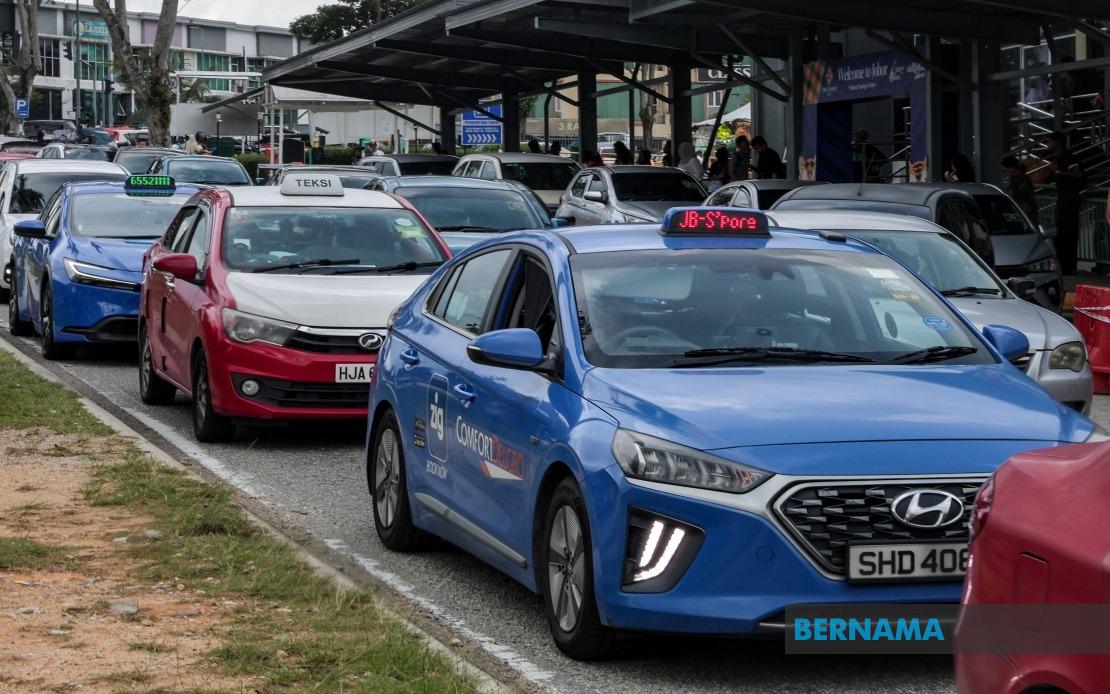
The Land Public Transport Agency (APAD) has introduced greater flexibility into the National MADANI Taxi Renewal Programme (Teksi MADANI), allowing taxi drivers to register or upgrade their vehicles with models beyond the government-endorsed Proton S70. The adjustment comes as a pragmatic response to real-world challenges faced by applicants navigating the transformation of Malaysia's taxi sector, particularly those grappling with hire-purchase financing constraints or those who already operate established vehicles.
While the Transport Ministry's original policy framework, announced on April 23, envisioned new applications and vehicle replacements under Teksi MADANI as a voluntary scheme centred on the Proton S70 package, APAD has now clarified that this requirement is not absolute. The agency recognises that circumstances vary significantly among Malaysia's diverse taxi operator community, and a one-size-fits-all approach could inadvertently exclude legitimate participants. By permitting alternatives, APAD demonstrates understanding of the practical obstacles some drivers encounter when attempting to secure financing approval specifically for the Proton S70 under the programme's terms.
The flexibility extends to applicants who possess existing vehicles and wish to continue operations without transitioning to the new model. This provision proves particularly significant for established taxi operators who have already invested substantially in their current fleets or who operate vehicles in solid working condition. Rather than forcing obsolescence or penalising drivers for pragmatic choices, APAD's stance allows existing taxis to continue service until they reach the specified vehicle age limit designated by authorities. This measured approach balances the government's modernisation objectives with the economic realities of small-business operators who depend on their vehicles for livelihood.
Teksi MADANI, formally launched by Prime Minister Datuk Seri Anwar Ibrahim on July 3, represents a fundamental restructuring of Malaysia's taxi ownership model. Traditionally, most taxi drivers operated under leasing arrangements managed by larger companies, limiting their equity stake and long-term wealth accumulation. The new programme inverts this dynamic by enabling drivers to become legal owners of their vehicles, thereby transitioning from a leaseholder mentality to proprietorship. This shift carries profound implications for driver autonomy, financial security, and sector stability across Malaysia.
The Proton S70 sedan, designated as the programme's official vehicle, embodies this modernisation vision. The model projects a contemporary image stripped of the traditional rooftop identification signs that have characterised Malaysian taxis for decades. Instead, vehicles operate under a distinctive registration series commencing with the letters "GET", creating visual and administrative separation from the previous fleet. This branding exercise extends beyond aesthetics, signalling to passengers and stakeholders that the taxi sector is undergoing genuine transformation toward professional service standards.
Financing remains a critical bottleneck affecting programme uptake. Despite the government's allocation of resources and attractive incentive packages, not all taxi drivers successfully secure hire-purchase approval for the Proton S70. Financial institutions apply conventional lending criteria that may disadvantage operators with irregular income patterns, limited collateral, or credit histories affected by previous economic downturns. By permitting alternative vehicle choices, APAD acknowledges that financing barriers exist independently of vehicle merit. A driver rejected for Proton S70 financing might still qualify for alternative models through different lending channels or arrangements, thereby maintaining their pathway toward ownership and programme participation.
The government's commitment to the taxi sector extends beyond policy adjustments. Prime Minister Anwar Ibrahim announced an additional RM10 million allocation for the Old Vehicle Replacement Matching Grant Programme, specifically benefiting taxi drivers. This supplement follows the RM10 million earmarked under Budget 2026 for Teksi MADANI implementation. The doubled investment reflects positive reception to the programme among the taxi community and signals governmental determination to sustain momentum despite implementation complexities. For Malaysian drivers, this represents tangible financial support reducing the effective cost of vehicle transition.
For regional observers and neighbouring ASEAN economies, Malaysia's taxi sector transformation carries instructive weight. Many Southeast Asian cities grapple with similar taxi industry challenges: ageing fleets, outdated service models, driver welfare concerns, and competition from ride-hailing platforms. Malaysia's methodical approach—combining ownership restructuring, vehicle modernisation, financial incentives, and pragmatic flexibility—offers a potential blueprint adapted to regional contexts. The programme's evolution demonstrates that rigid implementation frameworks often require mid-course adjustment as real-world conditions reveal unforeseen obstacles.
The broader taxi industry context shapes this policy adjustment's significance. Ride-hailing services have disrupted traditional taxi markets throughout Southeast Asia, compelling governments to modernise or risk irrelevance. Malaysia's Teksi MADANI attempts modernisation through ownership empowerment rather than regulatory suppression of alternatives. By making the programme more accessible through vehicle flexibility, APAD increases the likelihood that traditional taxi drivers transition successfully, rather than being displaced by technology-enabled competitors. This represents a defensive strategy protecting sectoral continuity.
Driver response to Teksi MADANI will likely determine the programme's ultimate success. Initial enthusiasm has been sufficient to justify government investment increases, yet participation rates remain worth monitoring. The flexibility now introduced may significantly expand the applicant pool by removing the Proton S70 barrier for those facing financing rejection or operating under different circumstances. Taxi operators who previously considered the programme inaccessible may now re-evaluate participation as a realistic option.
Looking forward, APAD's flexibility signals administrative maturity and responsiveness to feedback. Rather than defending a rigid policy position, the agency has adjusted course to better serve stakeholder interests while maintaining programme objectives. This adaptive approach builds credibility essential for sector transformation initiatives. Malaysian taxi drivers now possess clearer pathways toward ownership and modernisation, even if those pathways diverge from the original Proton S70-centric vision. The programme's value proposition—shifting drivers from leaseholders to proprietors—remains intact regardless of specific vehicle chosen, ultimately serving the government's modernisation agenda more effectively than rigid enforcement would achieve.

