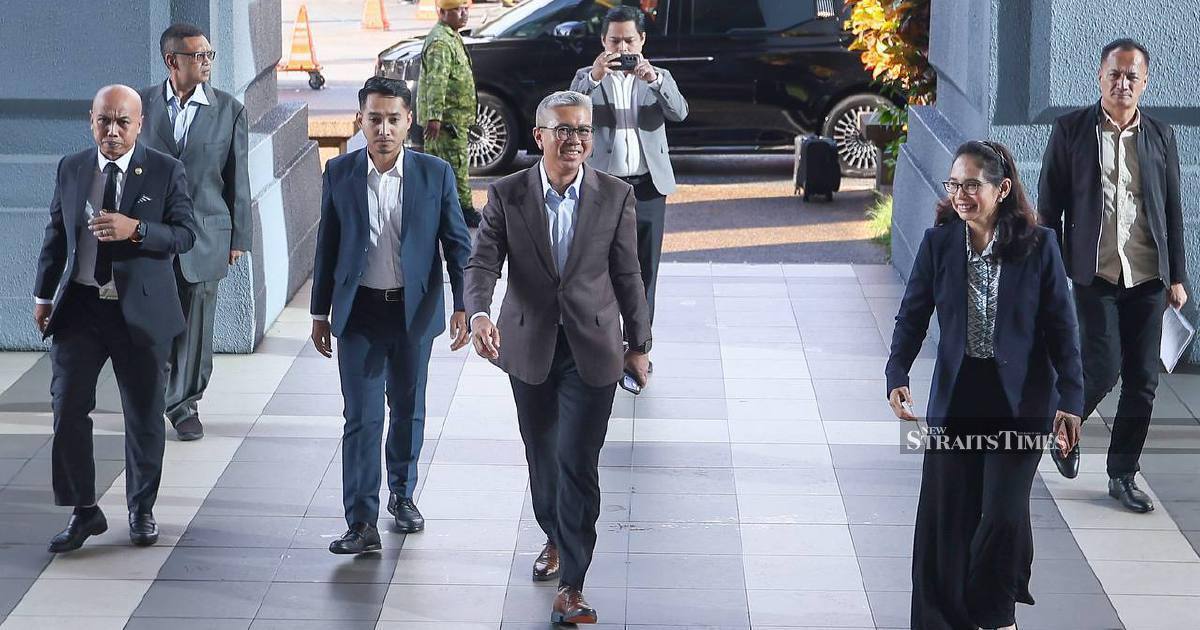
The judicial proceedings against former Prime Minister Tan Sri Muhyiddin Yassin moved into a significant phase at the High Court in Kuala Lumpur as Tengku Datuk Seri Zafrul Tengku Abdul Aziz, who served as finance minister during the relevant period, delivered testimony in connection with the Jana Wibawa programme corruption allegations.
The Jana Wibawa initiative emerged as a substantial financial assistance scheme introduced during the height of the COVID-19 pandemic when Malaysia faced considerable economic strain. The programme was designed to provide targeted support to vulnerable households struggling with the immediate economic impacts of lockdowns and movement restrictions. Understanding the parameters and execution of this scheme has become central to the accusations leveled against the former premier.
Tengku Zafrul's position as finance minister during this period placed him at the intersection of policy formulation and fiscal implementation. His tenure encompassed critical decisions regarding how pandemic relief funds were allocated and distributed across various government assistance programmes. The defence and prosecution both viewed his testimony as potentially illuminating the decision-making processes that governed the Jana Wibawa rollout.
The corruption charges against Muhyiddin represent one of Malaysia's most high-profile prosecutions of a former head of government in recent years. His administration's eighteen-month tenure from 2020 to 2021 has come under considerable scrutiny, with various financial schemes implemented during that period now facing judicial examination. The Jana Wibawa programme has emerged as a focal point in these investigations, attracting accusations of mismanagement and potential impropriety.
Witness testimony in such proceedings serves multiple critical functions beyond simply establishing facts. When senior government figures take the stand, their accounts of decision-making processes, inter-ministerial communications, and budgetary justifications create an authoritative record of administrative actions. Tengku Zafrul's evidence would have addressed questions about how funds were sourced, approved, and monitored during the Jana Wibawa implementation phase.
The trial's progression through multiple witness testimonies reflects the complexity inherent in prosecuting financial crimes at the ministerial level. Prosecutors must establish not merely that irregularities occurred, but that they resulted from deliberate misconduct rather than administrative error or policy disagreement. Each witness contributes pieces to this evidentiary puzzle, and former finance ministers occupy a particularly important position given their oversight of fiscal matters.
For Malaysian observers, this trial carries broader implications regarding governmental accountability and the rule of law. The public scrutiny of pandemic-era spending decisions resonates particularly given Malaysia's experience with the costly implications of previous financial scandals. The Jana Wibawa case signals that even programmes created during national emergencies remain subject to legal examination and that former high office does not provide immunity from prosecution.
The trial also illuminates the institutional tensions that can emerge during periods of rapid policy implementation under crisis conditions. Pandemic response required swift decision-making and substantial resource mobilization, sometimes at the expense of the deliberative processes typical of normal governance. Yet maintaining accountability standards during such periods remains essential, as the current proceedings demonstrate.
Regional observers have noted Malaysia's commitment to pursuing such cases, particularly given the historical challenges in bringing corruption charges against former prime ministers across Southeast Asia. While previous administrations faced similar allegations, the judicial persistence shown in the Muhyiddin trial suggests institutional determination to apply accountability standards consistently, regardless of a defendant's previous position.
Tengku Zafrul's testimony arrives at a moment when Malaysia continues navigating questions about pandemic-era financial governance. Multiple government programmes implemented between 2020 and 2022 have undergone audit scrutiny, and public interest in how such funds were deployed remains elevated. His account of the finance ministry's role in Jana Wibawa would help clarify the mechanisms through which such assistance reached intended beneficiaries.
The trial's continuation with witness testimonies from senior figures underscores that Malaysian courts are actively adjudicating complex financial cases involving state apparatus and high-ranking officials. The outcome will likely influence how future governments approach both emergency spending protocols and the documentation standards expected during crisis response.
As the proceedings advance, each testimony adds layers of contextual understanding to the specific allegations. Tengku Zafrul's evidence contributes to establishing whether Jana Wibawa represented a well-intentioned but imperfectly executed programme or whether deliberate misconduct occurred. The High Court's examination of these matters, conducted publicly and transparently, reinforces that no official position shields individuals from legal accountability when wrongdoing is alleged.

