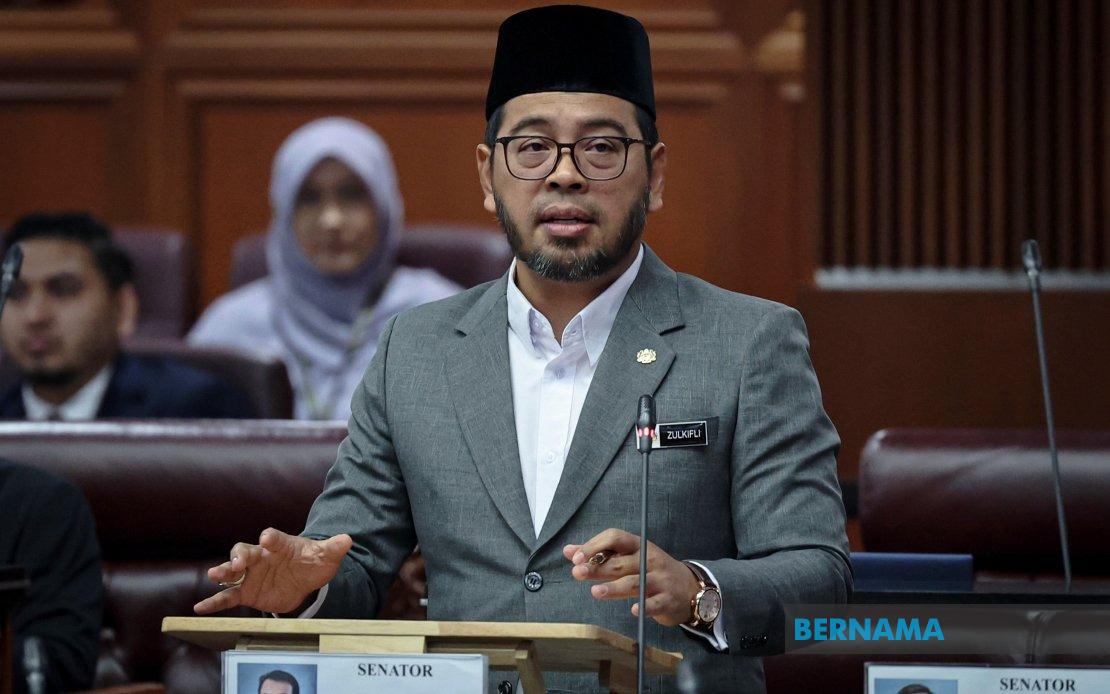
Tabung Haji depositors can rest assured that their zakat liabilities have been appropriately fulfilled in compliance with Syariah principles, according to Religious Affairs Minister Dr Zulkifli Hasan, who addressed Parliament's Special Sitting to discuss findings from the institution's Royal Commission of Inquiry. The minister's statement seeks to allay concerns raised in the comprehensive RCI report, which examined the nation's largest Islamic financial institution serving millions of pilgrims and account holders across Malaysia.
The foundation of this assurance rests on determinations made by Tabung Haji's own Syariah Advisory Committee, which concluded in a meeting held on September 2, 2020, that zakat disbursements made on depositors' behalf during the years preceding the introduction of the wakalah (agency) concept in 2019 remain valid and meet all requisite Islamic legal standards. This retroactive validation proves significant for account holders who may have questioned whether their financial obligations had been properly discharged during the institution's earlier operational phases, when different contractual arrangements governed their deposits.
Zulkifli further grounded his position in a landmark National Fatwa Committee ruling issued on May 3, 1979, which established that while Tabung Haji itself does not constitute a zakat-liable entity, the institution bears the responsibility to discharge zakat on behalf of its millions of individual depositors. This foundational determination has guided Tabung Haji's practices for nearly five decades, creating a legal and religious framework within which the organisation has consistently operated. The minister emphasised that the institution has scrupulously adhered to this fatwa's requirements throughout its operational history, maintaining what he characterised as an orderly and systematically compliant approach to these obligations.
Regarding the specific zakat methodology employed between 2016 and 2019, when the Wadiah Yad Damanah contractual structure governed depositor relationships, Zulkifli clarified that zakat was computed and remitted on a collective basis, calculated against the pooled investment returns generated from the deposit base. This business-derived zakat, known as khultah when applied to collective investment pools, was calculated and distributed in accordance with established Islamic financial principles. The distinction between individual and collective zakat computation proves important for depositors seeking to understand precisely how their religious obligations were determined and fulfilled during this transitional period.
The minister's parliamentary address directly responded to specific recommendations contained within the 211-page Royal Commission report, which was publicly released on July 29 this year after approximately two years of detailed investigation into the institution's operations spanning 2014 to 2020. The RCI had recommended that outstanding matters concerning Tabung Haji's zakat practices be submitted for examination and guidance by the National Council for Islamic Religious Affairs' Muzakarah Committee, a step the government has already undertaken. Zulkifli confirmed that this technical review was completed and formally endorsed by the committee in June 2024, representing a comprehensive validation of the institution's zakat framework by Malaysia's highest Islamic religious advisory bodies.
The Muzakarah Committee's endorsement subsequently received the formal approval of the Conference of Rulers at its 267th session held in October 2024, conferring the highest level of religious authority upon Tabung Haji's zakat practices. This sequence of validations—from institutional advisory committees through national fatwa bodies to the Conference of Rulers—demonstrates the multi-layered verification process undertaken to ensure complete compliance with Islamic law. For depositors, particularly those belonging to the substantial Muslim majority concerned with fulfilling their religious obligations, this tiered institutional approval carries considerable weight and religious legitimacy.
Zulkifli underscored that Tabung Haji's entire zakat operational framework and governance structure operate under the parameters established within comprehensive Zakat Guidelines, which have received formal approval from and remain subject to continuous monitoring by the institution's Syariah Advisory Committee. This committee comprises recognised experts in Islamic jurisprudence and Islamic finance, individuals selected specifically for their specialised knowledge and standing within Malaysia's Islamic religious scholarship community. The presence of such expertise in supervisory positions provides an additional layer of assurance regarding the propriety and compliance of zakat-related procedures.
Beyond zakat matters, the minister acknowledged the Royal Commission's additional recommendations concerning the reshaping of Tabung Haji's hajj management operations, with particular emphasis on pilgrimage eligibility criteria and the duration of waiting periods for prospective pilgrims. The institution has responded positively to these suggestions and is currently in advanced stages of developing refined policies designed to address the identified governance gaps. These anticipated improvements reflect a broader commitment to modernising the institution's administrative frameworks while maintaining alignment with Islamic principles, particularly the foundational concept of istito'ah—the notion that pilgrimage should remain accessible only to those possessing genuine financial and physical capacity.
The envisioned policy refinements will institute a considerably more structured and deliberately sequenced approach to hajj administration, moving toward greater transparency and better preparation protocols for prospective pilgrims. This represents a substantive organisational response to recommendations suggesting that Tabung Haji's traditional operational methods required modernisation to reflect contemporary best practices in large-scale pilgrim management. The minister indicated that these policy changes will be formally announced within the coming months, providing the institution's membership with concrete details regarding implementation timelines and procedural modifications.
The Royal Commission itself was formally established in 2021, with members appointed on January 20, 2022, and presented its findings to the Yang di-Pertuan Agong on August 30, 2022, before public release three months later. The investigation uncovered various institutional weaknesses spanning the 2014-2020 period and generated 25 recommendations aimed at strengthening governance, financial controls, and operational effectiveness. As of July 30 this year, Tabung Haji has implemented approximately 75 percent of these recommendations, reflecting an institutional commitment to comprehensive reform and continuous improvement in response to the independent inquiry's findings.
The minister's comprehensive parliamentary statement served to document and publicise the multiple layers of religious and administrative scrutiny that have been applied to validate Tabung Haji's zakat practices and to demonstrate concrete progress in implementing governance improvements recommended by the Royal Commission. For millions of Malaysian depositors—many of whom harbour legitimate concerns regarding the soundness of their accounts and the propriety of their religious obligations—these reassurances, grounded in institutional validation and backed by the Conference of Rulers' endorsement, represent meaningful evidence that institutional remediation is proceeding and that their financial and spiritual interests remain protected. The combination of retroactive validation, ongoing expert supervision, and hierarchical religious approval creates a substantial framework within which depositors can approach the institution with renewed confidence in both its technical compliance and its commitment to Islamic principles.

