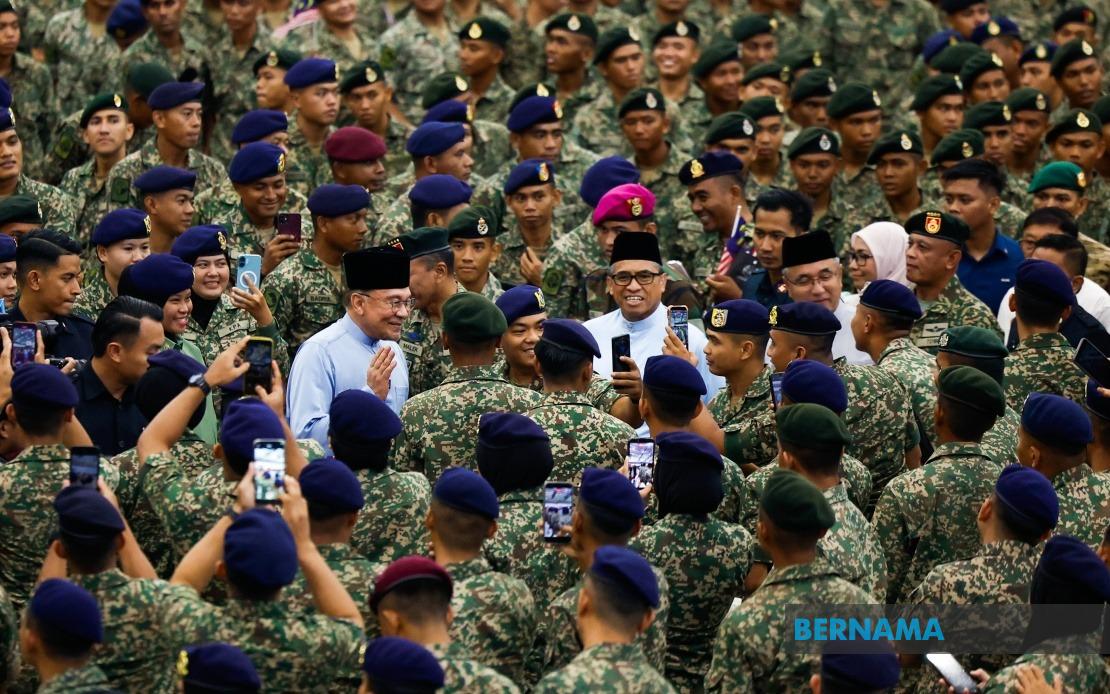
Prime Minister Datuk Seri Anwar Ibrahim has justified the three-year delay in releasing the Royal Commission of Inquiry report on Lembaga Tabung Haji, explaining that publishing it earlier could have sparked a crisis of confidence among depositors and potentially caused catastrophic withdrawals from the institution. Speaking in Port Dickson on July 24, Anwar argued that the timing of such disclosures carries significant consequences for public institutions managing savings and investment funds, particularly those entrusted with the resources of Muslims and rural communities dependent on TH.
The Prime Minister's rationale centres on the principle of institutional stability during periods of transition and recovery. He outlined how releasing negative findings three years ago, when TH was still grappling with accumulated governance problems, could have triggered the very financial instability that regulators seek to prevent. This argument reflects a longstanding tension in public administration between transparency and prudent financial stewardship—the challenge of informing citizens while avoiding market-destabilising shocks that harm the very depositors such disclosure aims to protect.
Anwar acknowledged, however, that this reasoning had an expiration date. He underscored that over the past three years, TH has undergone fundamental transformation under new management, with chairman Tan Sri Abdul Rashid Hussain implementing comprehensive reforms that have restored the institution to financial health. The pilgrims' fund recently received international recognition through the Best Haj Management award for the 2024 haj season, demonstrating tangible operational improvements. Once this stabilisation was secured, Anwar suggested, the original justification for withholding the report lost its force.
The Prime Minister's announcement that the government now intends to release the RCI report shortly represents a calculated shift in priorities. Anwar indicated he would consult with Chief Secretary to the Government Tan Sri Shamsul Azri Abu Bakar regarding procedural requirements, including whether Cabinet approval is necessary before public disclosure. This consultation process suggests the government recognises both the public's legitimate interest in scrutiny and the administrative protocols governing sensitive institutional documents.
The MADANI Government's commitment to governance and anti-corruption measures featured prominently in Anwar's remarks. He framed the eventual disclosure within the administration's broader stance against abuse of power, emphasising that protecting institutions ultimately serves the people who rely on them. This positioning attempts to reconcile two seemingly contradictory principles—the decision to delay release with the government's stated commitment to transparency and accountability in all public institutions.
Opposition coalition Pakatan Harapan's leadership took a more stringent position on disclosure. Through a joint statement, Amanah secretary-general Muhammad Faiz Fadzil, DAP national vice-chairman Syahredzan Johan and PKR deputy secretary-general Saifuddin Shafi Muhammad called for Cabinet deliberation and immediate public release of the report. They argued that transparency and accountability demands citizens access the official findings, enabling comprehensive answers to outstanding questions about the controversial sale of TH's strategic assets. Their intervention reflects persistent political pressure for greater institutional openness.
The TH RCI emerged from serious allegations regarding asset sales and governance failures that accumulated before recent reforms took effect. The pilgrims' fund, which manages savings for millions of Malaysian Muslims preparing for the hajj pilgrimage and provides retirement income for rural communities, represents one of Malaysia's most sensitive financial institutions. Public confidence in TH directly affects the financial security of economically vulnerable populations, making questions of governance and transparency particularly significant.
The three-year interval since the RCI's completion has inevitably sparked speculation and raised questions about what findings warranted such extended confidentiality. For many depositors and concerned citizens, delayed disclosure itself becomes a source of anxiety and scepticism, potentially undermining the very confidence Anwar cited as the reason for withholding the report. This paradox highlights the difficulties authorities face when balancing disclosure timing against institutional stability.
For Malaysian investors and policy observers, the impending release carries implications extending beyond TH's immediate circumstances. It tests the government's credibility on transparency commitments and establishes precedent for how sensitive institutional inquiries are handled. The episode also illustrates how governance challenges in large, trust-based financial institutions intersect with political considerations and public expectations of accountability.
The attendance of high-ranking government officials including Defence Ministry representatives at Anwar's Port Dickson remarks suggests Cabinet-level coordination around the TH disclosure decision. This reflects recognition that the report's release and subsequent public reaction require careful management across multiple government agencies and potentially involves broader policy implications for other state institutions under similar scrutiny.

