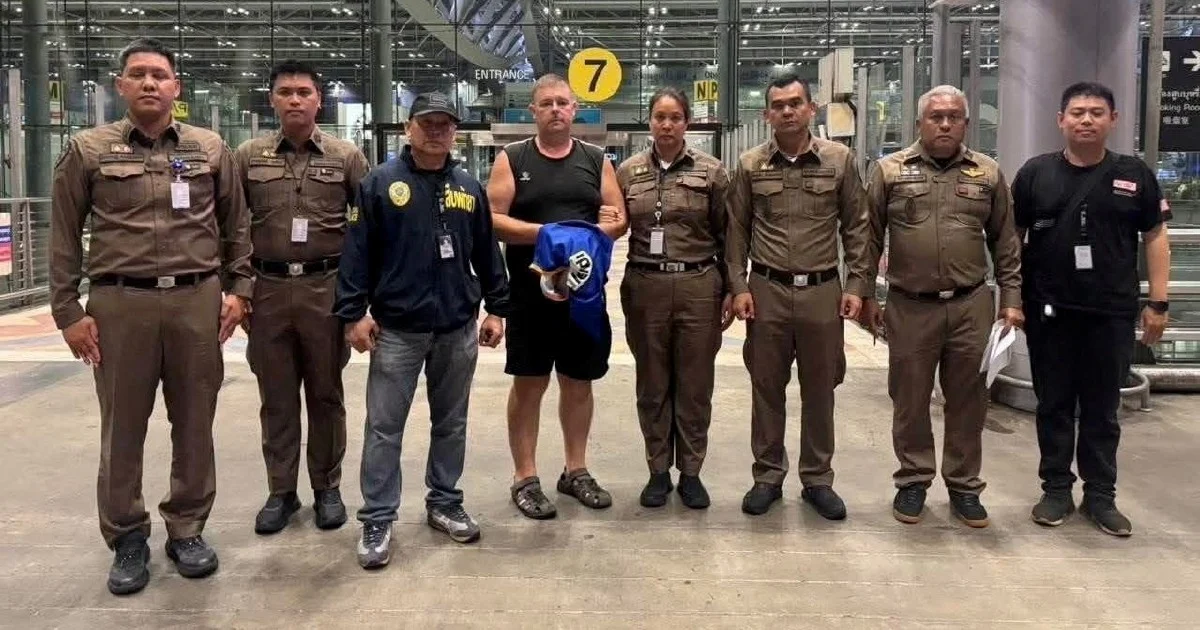
A Thai family has been thrust into mourning after their 17-year-old daughter was found dead in a suitcase in Pattaya, with authorities arresting and charging an Australian man in connection with the death. The discovery has sent shockwaves through communities in Thailand and abroad, highlighting the dangers faced by young people in the country's tourist-heavy beach towns where vulnerability and isolation can make vulnerable individuals targets.
The tragic circumstances surrounding the teenager's death have devastated her relatives, who are now grappling with the loss of a young family member under deeply disturbing conditions. The manner of her death—concealment in a suitcase—suggests an attempt to dispose of her body, adding layers of anguish for the grieving family members who must come to terms not only with her passing but also with the apparent deliberate efforts to hide what happened to her.
Pattaya, located in Chachoengsao Province southeast of Bangkok, has long been a destination that attracts millions of international tourists annually. The seaside city's reputation as a commercial and entertainment hub has made it attractive to visitors from across the globe, but it has also created an environment where transient populations and numerous foreign nationals pass through regularly. This constant flow of outsiders, while economically beneficial, has occasionally facilitated criminal activities that prey on vulnerable young people who may lack strong social support networks or awareness of personal safety risks.
The arrest of an Australian national represents one of several cases in recent years involving foreign residents or visitors implicated in crimes against Thai nationals. These incidents underscore persistent concerns about the screening and monitoring of expatriates who establish themselves in Thailand, particularly in areas like Pattaya where enforcement can be inconsistent and regulatory oversight sometimes lax. Thai authorities have periodically intensified campaigns to address criminal activity involving foreigners, yet cases continue to emerge with tragic consequences.
Murder charges represent the most serious accusation that can be levelled in Thailand's legal system, carrying potential penalties including lengthy imprisonment or capital punishment depending on aggravating circumstances and court findings. The formal charging of the Australian suspect indicates that investigators believe they have gathered sufficient evidence to pursue prosecution through the courts. However, the legal process will involve detailed examination of evidence, examination of witnesses, and determination of motives before any final verdict is reached.
For Southeast Asian nations including Malaysia, such incidents carry particular relevance given regional concerns about transnational crime and the protection of young people. Malaysia shares Thailand's experience of attracting substantial numbers of expatriates and international visitors, and cases highlighting vulnerabilities in safeguarding mechanisms resonate across borders. Regional law enforcement agencies regularly coordinate on investigations involving foreign nationals suspected of committing crimes within their jurisdictions.
The circumstances of discovery—a body concealed in luggage—also raise questions about how such an act might have gone undetected through various checkpoints and observations. Pattaya's numerous hotels, transportation networks, and informal accommodation options mean that movements of foreigners and their belongings are not always subject to rigorous monitoring. Understanding how the concealment occurred and for how long the body remained undiscovered may prove crucial to understanding the timeline of events and the suspect's subsequent actions.
Thailand's tourism industry, which contributes substantially to the national economy, has sometimes struggled with balancing economic benefits against security concerns. High-profile crimes involving tourists or foreign residents occasionally prompt discussions about improving safety protocols and victim support systems. In this case, the young age of the victim and the international dimension of the alleged perpetrator will likely intensify scrutiny of how Thailand protects vulnerable youths from exploitation and violence.
The family's statement of devastation reflects the profound impact such tragedies have beyond the immediate facts of investigation and prosecution. Relatives must navigate not only personal grief but also the complexities of a foreign legal system and media attention surrounding a sensational case. Support networks for families of crime victims in Thailand, while improving, remain inconsistent, and international dimensions can further complicate access to assistance and information about case progression.
As authorities pursue their investigation and the case moves through judicial processes, the focus will extend beyond apprehending and prosecuting the suspect to encompassing broader questions about how communities can better protect young people from predatory behaviour. The incident serves as a stark reminder of vulnerabilities that persist in communities across Southeast Asia despite growing awareness of child safety issues and increased efforts to prevent violence against young people in the region.

