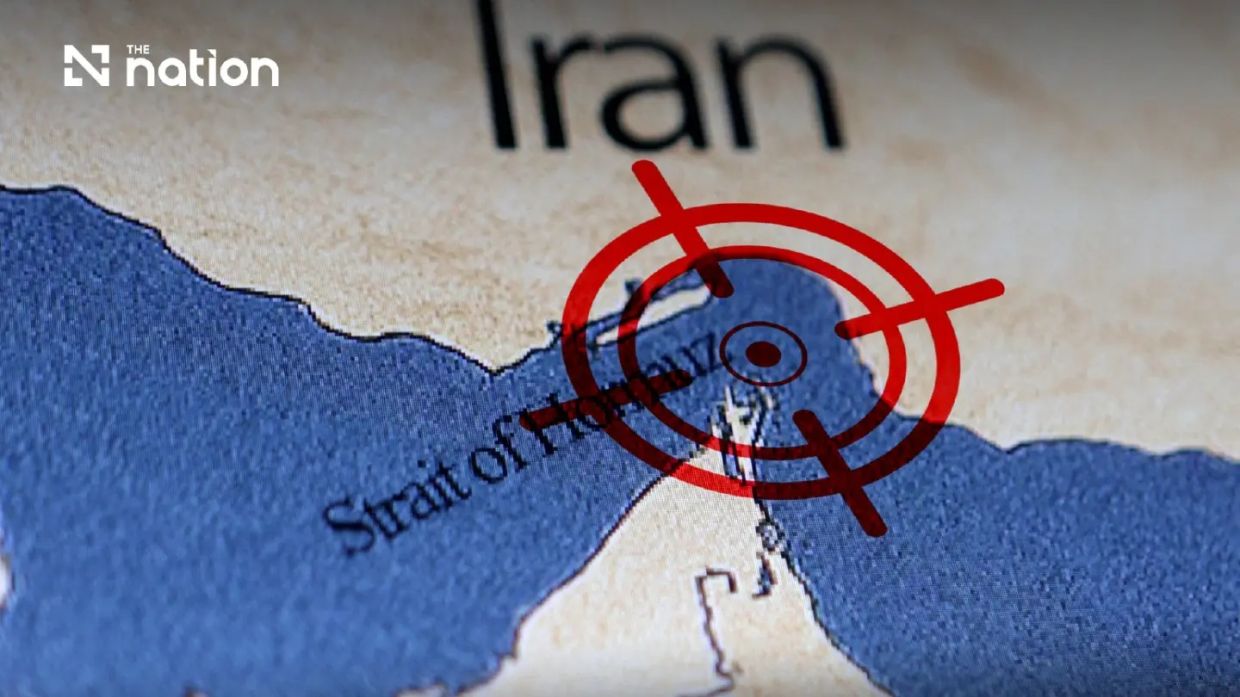
A vessel flying the Thai flag has reportedly been attacked by Iranian forces attempting to transit the Strait of Hormuz, as deepening military confrontation between Washington and Tehran increasingly jeopardises one of the world's most strategically vital shipping lanes. Iran's semi-official Tasnim news agency disclosed the incident but refrained from identifying the ship, its operators, cargo details, or the nationalities of crew members. Thai authorities, maritime monitoring bodies, and the vessel's operator have yet to provide confirmation, leaving the extent of damage and any injuries to personnel unclear at this stage.
The reported assault represents only the latest in a mounting series of maritime incidents that have transformed the Strait of Hormuz into a zone of active military contestation. Iranian authorities have repeatedly issued warnings to commercial operators, demanding compliance with directives issued by their armed forces. Separately, Iranian media sources cited claims that two oil tankers experienced fires and explosions after attempting to traverse areas described as minefields positioned in the southern reaches of the waterway. The Islamic Revolutionary Guard Corps Navy characterised the strait as "extremely unsafe" and wholly inaccessible due to what it described as American military aggression, though independent verification of these claims remains absent.
The gravity of the situation extends beyond individual vessel incidents. The Iranian military additionally claimed interception of four oil tankers allegedly transiting the Hormuz passage with American military backing. According to IRGC Navy statements, these ships were ordered to halt during what Tehran described as coordinated missile and drone operations. Shipowners were cautioned to adhere to Iranian military notices rather than depend on protection from United States forces. The identities, positions, registration documentation, and operational status of these four vessels have not been disclosed, making independent assessment of the claims impossible.
For Malaysia and Southeast Asia, the implications of prolonged disruption to Hormuz shipping carry considerable weight. The strait facilitates roughly one-third of globally traded oil and substantial volumes of liquified natural gas, commodities essential to the region's energy security and manufacturing competitiveness. Any sustained obstruction to transit could trigger ripple effects through freight premiums, insurance valuations, fuel availability, and commodity pricing mechanisms that directly impact ASEAN economies dependent on reliable energy supply chains. Malaysia's petrochemical industries and power generation sectors remain particularly vulnerable to sustained fuel cost inflation stemming from Middle Eastern instability.
The maritime incidents unfolded concurrently with the United States executing what CENTCOM announced as its seventh consecutive night of military strikes targeting Iranian positions. The latest operation commenced at 7pm GMT Friday, representing a continuous bombardment campaign intended to progressively degrade Tehran's military infrastructure. The American military has provided limited details regarding targeting specifics or damage assessments, creating information vacuums that both sides exploit for strategic messaging purposes. Iranian officials characterised earlier American strikes as deliberately targeting civilian installations across southern Iran, including transportation networks, port facilities, electrical infrastructure, and aviation assets.
Foreign Minister Abbas Araghchi reported that three individuals perished in an American airstrike on a bridge in Bandar Khamir, constituting part of a broader death toll that Iranian sources claim reached eight following overnight American operations. State media additionally cited provincial officials asserting that the United States had targeted an Iranian oil tanker positioned at Kharg Island, a major petroleum export terminal. These casualty and damage reports emanate exclusively from Iranian government sources and state-affiliated media organisations, and remain unverified through independent documentation or international observers on the ground.
Iran has responded to American strikes with retaliatory attacks targeting United States military infrastructure scattered across the Gulf region. Iranian military statements claimed responsibility for assaults on American installations in Bahrain, Jordan, Kuwait, and Qatar. Qatari defence authorities confirmed interception of an incoming Iranian projectile, though the interception apparently generated falling debris that injured a child. The extent of damage inflicted by Iranian strikes on these regional American military positions remains contested and largely unconfirmed through independent sources.
Technological dimensions of the conflict have also intensified. The Islamic Revolutionary Guard Corps announced successful interception and destruction of a United States MQ-9 Reaper drone over Bushehr using what it described as a newly developed air-defence system integrated within Iran's broader air-defence architecture. Washington has not yet acknowledged loss of an unmanned aircraft in the Bushehr area, creating another dimension of claim and counter-claim that characterises the current escalation pattern. Such drone losses, if verified, would signal Iranian acquisition or refinement of air-defence capabilities that could further complicate American military operations and regional power projection.
The convergence of maritime attacks, tanker incidents, drone operations, and reciprocal airstrikes demonstrates how localised military exchanges risk expanding into wider regional conflagration. Multiple Gulf nations host substantial United States military personnel and facilities, effectively positioning them as potential targets should the confrontation broaden. The risk calculus for international shipping operators has fundamentally shifted, as commercial vessels now navigate not merely piracy or conventional maritime hazards, but active military operations and contested control of critical waterways. Insurance markets have begun reflecting this reality through elevated premiums and restricted coverage for Hormuz transits.
For Southeast Asian policymakers and energy strategists, the current Gulf escalation underscores urgent necessity for regional energy diversification initiatives. Continued reliance on Middle Eastern energy sources channelled through contested maritime corridors creates dangerous vulnerabilities within ASEAN supply chains. The situation simultaneously amplifies the strategic importance of alternative energy agreements with non-Gulf suppliers and accelerates imperatives toward renewable energy infrastructure development. Maritime trade routes through Southeast Asian waters gain additional significance as partners seek to minimise exposure to Hormuz-based disruptions.
The immediate trajectory remains uncertain as both American and Iranian military establishments maintain elevated operational tempos. Neither Washington nor Tehran has indicated readiness for diplomatic de-escalation, suggesting the current cycle of strikes and counter-strikes may persist through multiple additional cycles. Commercial operators face mounting pressure to recalculate route planning, insurance arrangements, and crew safety protocols. The human costs accumulate invisibly beyond headline military claims, encompassing merchant mariners facing danger in ordinary commercial operations, civilian populations near military installations, and workers throughout energy-dependent economies confronting uncertain fuel supplies and price volatility.

