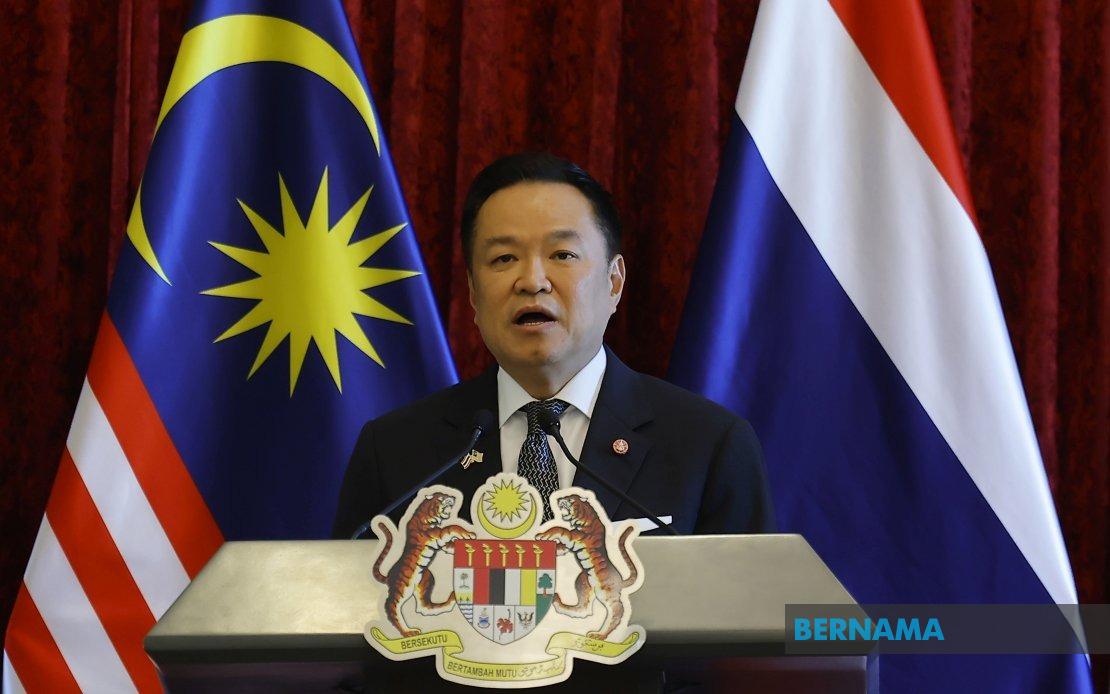
Thailand's Prime Minister Anutin Charnvirakul has extended his best wishes to Malaysian counterpart Datuk Seri Anwar Ibrahim in the lead-up to the Johor state election, underscoring the cordial relationship between the two Southeast Asian governments. The remarks came at a joint press conference in Putrajaya during Anutin's two-day official visit to Malaysia, marking his first trip to the country since his reappointment in March 2026.
The 16th Johor state election takes place this Saturday, with 172 candidates competing across 56 state assembly seats. The election represents a significant electoral test for Anwar's coalition government, as results in this major state will reflect voter sentiment ahead of any future national contests. Pakatan Harapan, the coalition backing Anwar, has fielded candidates in every single constituency, demonstrating their commitment to contesting the entire state legislature. The coalition's slate combines experienced political figures with fresh talent drawn from its three component parties—PKR, the Democratic Action Party and Amanah—a strategy designed to balance stability with renewal.
Anwar characterised his meeting with the Thai premier as warm and substantive, noting the easy rapport between the two leaders. He described the encounter in personal terms, comparing the atmosphere to that of longtime friends gathering rather than formal diplomatic protocol. The Prime Minister's comments reflect the increasingly comfortable working relationship between Malaysia and Thailand at the highest political levels, an important development given the complex history of bilateral relations and ongoing issues ranging from cross-border security to trade matters.
Anutin's visit carries broader significance beyond electoral pleasantries. Thailand and Malaysia have multiple regional interests that demand coordinated approaches, from managing the Mekong-related water issues affecting downstream communities to addressing transnational crime and irregular migration patterns that affect both nations. The visit aims to deepen cooperation in areas of mutual benefit, suggesting discussions likely covered economic partnerships, security cooperation, and perhaps energy initiatives relevant to both countries' development aspirations.
For Anwar, securing a strong result in Johor would provide significant political momentum. The state, historically a stronghold of the opposition, represents contested political territory where different coalitions have traded victories across election cycles. A convincing Pakatan Harapan performance would validate the coalition's claim to represent mainstream Malaysian opinion and potentially strengthen Anwar's hand in managing the sometimes fractious politics of his multi-party coalition at the federal level.
The timing of Anutin's visit during the election campaign period demonstrates Thailand's investment in maintaining strong ties with the Malaysian government regardless of electoral outcomes. Thai officials have learned from past regional experience that establishing working relationships transcending election cycles reduces friction and enables smoother bilateral cooperation when political transitions occur. This diplomatic approach reflects broader Southeast Asian practice among neighbouring states that must maintain functional relations across changes in government.
Anwar's warmth towards his Thai counterpart also signals Malaysia's interest in deepening engagement with Bangkok beyond traditional diplomatic channels. Thailand, as the largest economy in mainland Southeast Asia and a key player in regional forums, holds importance for Malaysian strategic interests. Strengthening the bilateral relationship at the leadership level creates space for cooperation on issues ranging from joint infrastructure development to coordinated positions within ASEAN on contentious regional matters.
The visit underscores how Malaysian leaders maintain active diplomatic engagement even amid domestic political contests. Election periods often see reduced international activity as governments focus on campaigning, yet Anwar has chosen to prioritise this high-level engagement with Thailand, suggesting he views the relationship as sufficiently important to warrant attention alongside electoral commitments. This balancing act reflects the responsibilities of leading a middle-power nation engaged in complex regional arrangements.
Thailand's presence and support come at a moment when Malaysia is demonstrating the resilience of its democratic institutions. The Johor election, following established constitutional procedures and electoral frameworks, occurs within a stable democratic system—a distinction that matters in a region where governance models vary significantly. Thailand's own political history has involved numerous military interventions and constitutional changes, making Malaysia's consistent adherence to electoral processes a point of implicit contrast.

