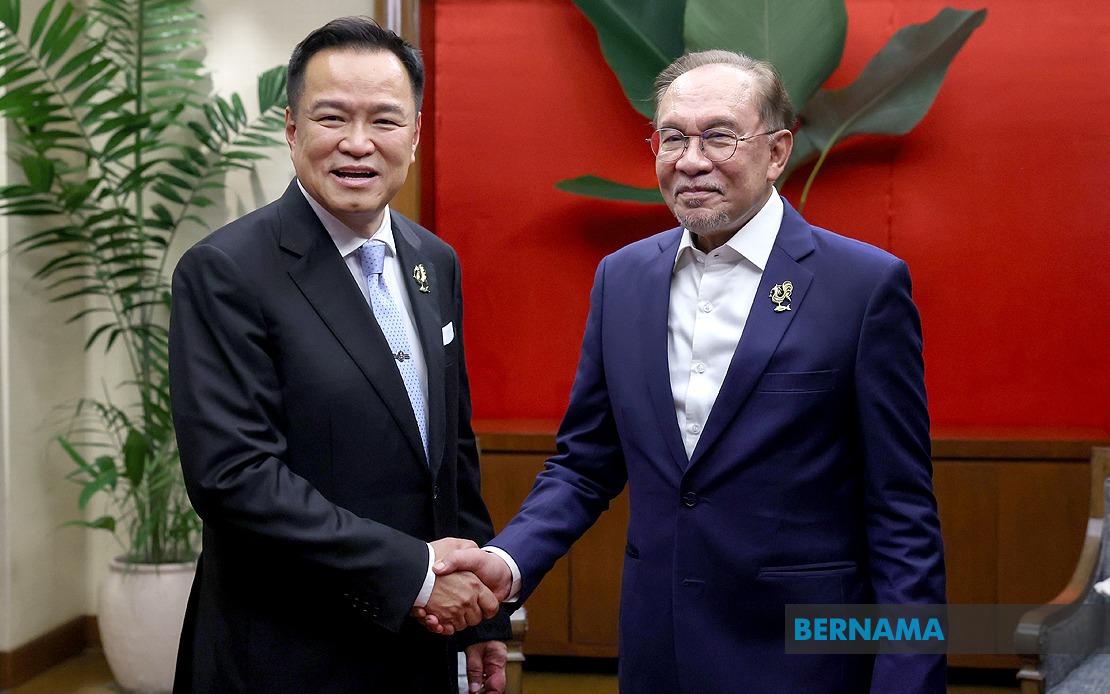
Thai Prime Minister Anutin Charnvirakul is preparing for a two-day official visit to Malaysia beginning Thursday, July 9, timed strategically to coincide with a significant infrastructure milestone on the bilateral border. The visit, extended at the invitation of Malaysian Prime Minister Datuk Seri Anwar Ibrahim, will precede the inaugural opening of the new permanent Sadao border checkpoint just two days later, marking a major step in regional connectivity and economic integration.
The timing of Anutin's journey reflects both nations' renewed focus on deepening institutional cooperation as they approach a significant milestone in their relationship. Thai government spokesperson Ratchada Thanadirek emphasised that the visit symbolises Thailand and Malaysia's commitment to tangible bilateral progress, particularly as the two countries prepare to mark the 70th anniversary of formal diplomatic ties in 2027. Such high-level visits during infrastructure transitions signal to both domestic and international observers the political priority assigned to cross-border development.
Thailand's Cabinet formally approved the Sadao checkpoint opening during its meeting on Tuesday, July 7, clearing the way for operations to commence on July 11. The new facility will supersede the existing Sadao crossing, representing a complete upgrade of border infrastructure on the Thai side. The checkpoint will maintain operational hours from 5 am to 11 pm Thailand time daily, a window designed to accommodate peak business and tourism traffic while allowing essential maintenance periods.
The new Sadao Customs, Immigration and Quarantine Complex, situated in Songkhla province, will operate as the Thai counterpart to Malaysia's Bukit Kayu Hitam checkpoint in Kedah. This linked system is anticipated to dramatically accelerate the movement of both cargo and passengers across one of Southeast Asia's busiest land borders, reducing dwell times and administrative delays that have long hindered regional trade efficiency. For Malaysia and Thailand's logistics and tourism sectors, the efficiency gains could translate into measurable cost reductions and expanded cross-border business opportunities.
Beyond the checkpoint structure itself, Thai authorities have initiated a comprehensive infrastructure programme to ensure seamless integration with surrounding transport networks. The Ministry of Interior has directed agencies to prioritise the construction of connecting roads designed to improve traffic circulation on the Thai side of the border, particularly addressing congestion points that frequently emerge during peak hours. Shuttle bus services linking the checkpoint to inland population centres are being arranged to provide alternative transport options for travellers and support communities in areas like Dan Nok.
Government agencies have received explicit instructions to mount sustained public awareness campaigns addressing the new border procedures, updated traffic routes, and customs protocols. These educational initiatives target not only business operators seeking to maximise cross-border trade opportunities but also everyday residents and tourists who traverse the border regularly. Clear communication about the transition from the old to the new checkpoint will be critical in ensuring a smooth operational handover without confusion or unnecessary delays during the initial weeks of service.
The comprehensive approach to the checkpoint transition reflects lessons learned from previous border infrastructure projects across Southeast Asia, where inadequate planning for auxiliary services and public communication often undermined the anticipated benefits of modernised facilities. By addressing traffic management, alternative transport routes, and public education simultaneously with the checkpoint opening, Thai and Malaysian authorities aim to realise the full potential of their investment in enhanced border capacity.
This visit will constitute Anutin's third journey to Malaysia since assuming the prime ministerial office, underscoring the frequency and regularity of high-level engagement between the neighbouring governments. His previous trips included attendance at the ASEAN Summit and Related Summits held in Kuala Lumpur in October of the preceding year, followed by a dedicated official visit on November 26. The pattern of regular engagement suggests that bilateral relations have entered a phase of sustained institutional momentum, with infrastructure development serving as a concrete manifestation of political will at the leadership level.
For Malaysian stakeholders, particularly those in northern Kedah, the Sadao checkpoint upgrade carries direct implications for business competitiveness and regional integration. Malaysian exporters and logistics providers have long contended with bottlenecks at border crossings; enhanced facilities on the Thai side should correspondingly improve throughput and reduce transaction costs for goods moving northward into Thailand and beyond into Myanmar and Indochina markets. The checkpoint's extended operational hours and improved associated infrastructure may also boost bilateral tourism, particularly for Malaysian visitors exploring Thailand's southern provinces.
The investment in border infrastructure reflects broader regional trends toward deepening economic interdependence within ASEAN, where land connectivity and efficient trade corridors have become central to competitiveness strategies. Thailand and Malaysia's commitment to the Sadao project demonstrates their recognition that modernised borders serve as economic assets rather than mere regulatory checkpoints, particularly as the region positions itself within evolving global supply chains and as a destination for cross-border tourism and investment.

