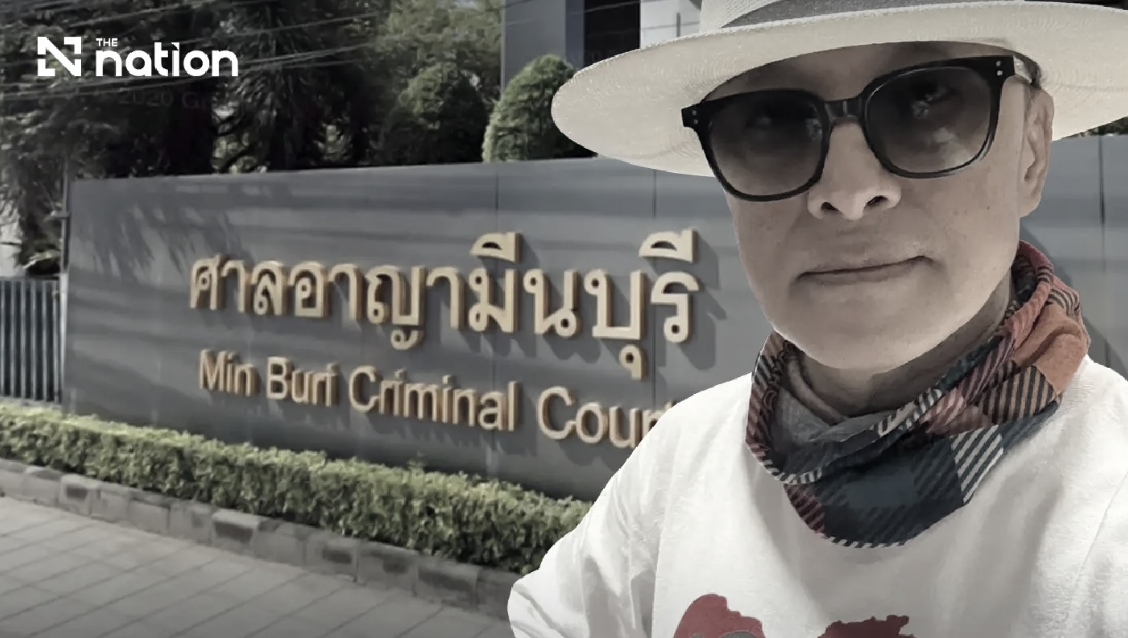
A Bangkok court has handed down a two-year prison sentence to Manasawin Nantasen, the acclaimed Thai entertainer known professionally as Tik Shiro, for causing a fatal traffic collision while driving under the influence of alcohol. The conviction marks a rare accountability moment in a country where celebrity status frequently appears to shield the wealthy and well-connected from serious legal consequences. The case has resonated deeply within Thai society, drawing public scrutiny precisely because the perpetrator was a recognisable public figure rather than a person of obscure background.
Tik Shiro rose to international prominence during the late 1980s and 1990s as a recording artist and performer whose carefully cultivated image drew explicit comparisons to the global superstar Michael Jackson. He became synonymous with a particular aesthetic that included signature fedora hats, leather jackets and technically accomplished dance choreography. At 64 years old, the singer had maintained a presence in the Thai entertainment industry across multiple decades, making his conviction particularly visible to the general public. His notoriety as a pop culture figure elevated the incident from a routine road tragedy into a matter of wider national conversation about justice and accountability.
The incident occurred in October 2024 when Manasawin was operating his vehicle across a bridge in Bangkok's urban landscape. He collided with a stationary motorcycle that was positioned on the roadway. The impact killed a 28-year-old woman who had been sitting on the motorcycle at the moment of collision. Her brother, aged 21 and also present on the vehicle, sustained injuries severe enough that he was knocked from the bridge during the impact. The younger sibling was transported to hospital in critical condition but ultimately succumbed to his injuries while undergoing medical treatment, meaning the single traffic incident claimed two fatalities within the same family unit.
Photographic evidence from the immediate aftermath captured Manasawin in a position of apparent contrition, kneeling in visible distress at the accident scene. This image circulated rapidly through Thai social media platforms and messaging applications, generating substantial public engagement and discussion. The emotional nature of the photograph and the celebrity status of the driver ensured the incident received heightened media coverage compared to similar traffic fatalities. However, this widespread attention also created expectations that the justice system would demonstrate its capacity to hold even famous individuals accountable for their actions, putting additional scrutiny on the court's eventual decision.
The criminal court in Bangkok delivered its sentencing on Wednesday, finding Manasawin guilty of the charge of drunk driving resulting in loss of life. The court's written statement acknowledged that the defendant had surrendered himself to authorities and had provided testimony deemed valuable to the investigation's outcome. The judgment also noted that Manasawin had attended the funeral services for both victims and had transferred financial compensation to the families of the deceased, indicating a degree of material and symbolic acceptance of responsibility for the harm caused. Alongside the imprisonment term, the court revoked his driver's licence, a practical measure that will prevent him from operating motor vehicles legally upon completion of his sentence.
The sentencing of Tik Shiro arrives amid a broader conversation within Thailand concerning whether the legal system applies sanctions uniformly across different social strata. Just days earlier, rock musician Sek Loso was released from prison after completing a sentence of just over one year for drug possession and illegal firearm charges. While these cases differ in their specifics, the proximity of these two celebrity sentencings has intensified public discussion about consistency and fairness in the application of Thai law.
This broader scepticism about justice stems partly from several high-profile cases in which affluent or politically connected individuals appeared to escape serious consequences. The 2012 incident involving Vorayuth Yoovidhya, heir to the Red Bull corporate fortune, exemplifies this pattern of apparent impunity. Yoovidhya's Ferrari collided with a Bangkok policeman in an upscale neighbourhood, resulting in the officer's immediate death. Despite an investigation being initiated, the heir was never formally charged with any offence, a outcome that left many Thais convinced that wealth and family connections had shielded him from accountability.
Another illustrative example involves a son of former Pheu Thai Member of Parliament Chalerm Yubamrung, who allegedly discharged a firearm in a crowded Bangkok nightclub in 2001, killing a man following a dispute. The accused individual was eventually acquitted on the grounds that evidence presented by prosecutors was deemed insufficient to secure a conviction. These cases have contributed to a persistent public perception that Thailand's judicial system operates with inconsistent standards depending on the defendant's social and economic position.
The conviction of Tik Shiro has therefore acquired symbolic significance beyond the specific facts of the October 2024 collision. For many ordinary Thai citizens, the imprisonment of a recognisable entertainment figure carries implications about whether the courts are willing to impose meaningful penalties on the famous and successful. The two-year sentence, while substantive, may still appear lenient to those who view the loss of two lives as warranting more severe punishment. The case has prompted wider discussion about whether Thailand's legal institutions can genuinely implement impartial justice or whether celebrity and financial resources will ultimately determine the actual consequences faced by those accused of serious crimes.

