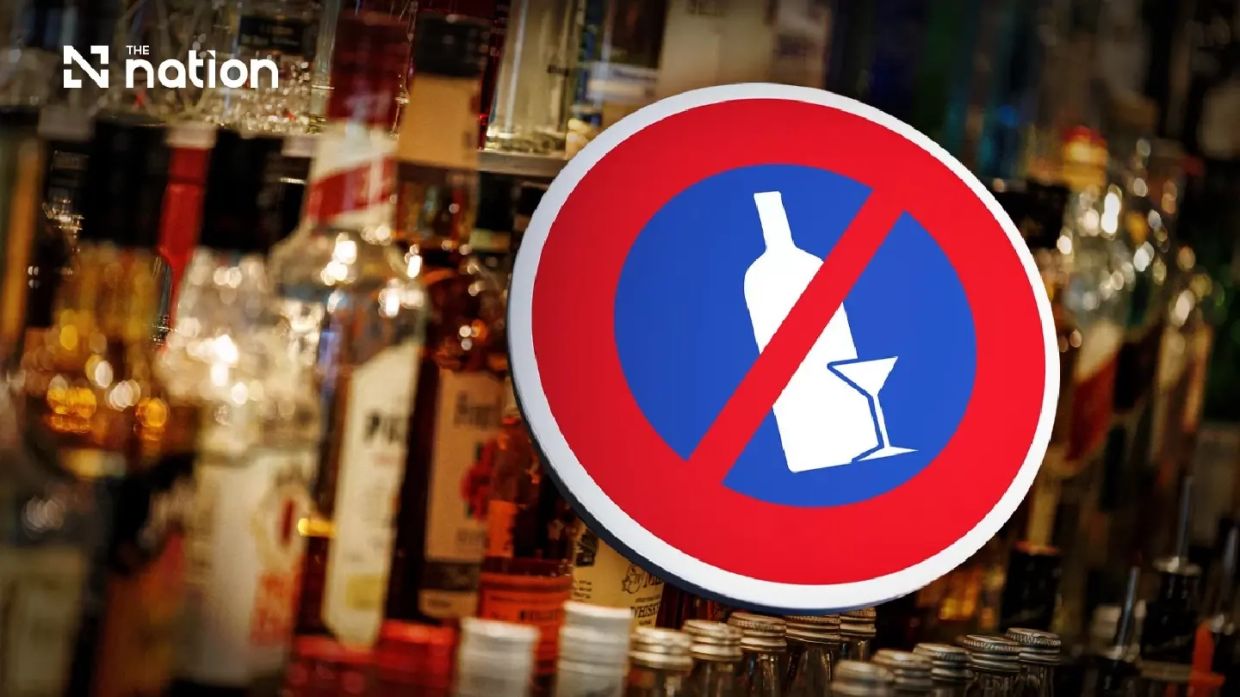
Thailand's Election Commission has imposed a comprehensive alcohol ban spanning Bangkok and Pattaya during the local elections scheduled for June 27–28. The restriction represents part of broader efforts to maintain electoral integrity and prevent potential disruptions during voting in Thailand's largest metropolitan areas. Authorities have made clear that compliance is mandatory across both jurisdictions, with enforcement mechanisms in place to address breaches of the regulation.
The prohibition takes effect at 6pm on Saturday, June 27, and remains in force until 6pm on Sunday, June 28, encompassing the full electoral cycle for multiple contests. During this window, Bangkok residents will cast votes for governor and metropolitan council positions, while Pattaya voters will simultaneously select their municipal mayor and city council representatives. The two-day restriction deliberately extends beyond standard polling hours to eliminate opportunities for alcohol-related disturbances that might influence voting patterns or create public order complications.
Within the designated electoral zones, a complete cessation of all alcohol-related commerce and distribution becomes mandatory. Business operators cannot sell, distribute, gift, or serve any alcoholic beverages—whether beer, spirits, wine, or other products—during the prescribed period. The ban applies universally across retail establishments, restaurants, bars, hotels, and private venues. Even well-intentioned gifting of alcohol constitutes a violation, establishing a strict liability approach that removes ambiguity about enforcement thresholds.
Thailand's approach reflects established practice across Southeast Asia, where election authorities frequently restrict alcohol availability during voting periods. Regional democracies including Indonesia and the Philippines employ similar measures, viewing alcohol regulation as essential to maintaining voter sobriety and preventing election-day violence or intimidation. The underlying principle assumes that unrestricted alcohol access could compromise voters' judgment, embolden aggressive political mobilization, or create security challenges for polling station management.
The Election Commission has established substantial penalties for non-compliance, invoking Section 123 of the Local Elections Act B.E. 2562 and its amendments. Violators face imprisonment for up to six months, monetary fines reaching 10,000 baht, or both sanctions applied concurrently. These penalties are sufficiently severe to deter most commercial operators and individual participants from testing enforcement commitment. Authorities have emphasized that penalties apply regardless of violation scale, meaning even small-scale private distribution could trigger criminal prosecution.
For Malaysian readers, Thailand's regulatory approach offers comparative context about electoral governance across the region. While Malaysia does not implement blanket alcohol bans during general elections, state and federal authorities employ other mechanisms—including restricted campaigning periods and increased polling station security—to ensure orderly voting. Understanding Thailand's stringency highlights different cultural and legal frameworks governing elections, reflecting varying assessments about alcohol's electoral influence and enforcement capacity.
The Election Commission has encouraged comprehensive public compliance through multiple communication channels. Authorities have activated a dedicated hotline (1444) where citizens can obtain clarification about restrictions, report violations, or access general electoral information. The official Election Commission of Thailand website provides additional guidance, particularly for voters navigating their assigned polling locations. This multi-channel approach attempts to minimize unintentional violations stemming from public confusion about applicable rules.
The Bangkok gubernatorial election and metropolitan council contest represents particularly significant electoral activity, as Bangkok's governor wields substantial administrative authority over Thailand's capital and largest city. Similarly, the Pattaya mayoral election carries implications for coastal management, tourism infrastructure, and regional development policy. These simultaneous contests mean Thailand's election administration faces coordination challenges across multiple jurisdictions, reinforcing the rationale for pre-emptive alcohol restrictions that could otherwise complicate voter access or polling station operations.
Election Commission officials have characterized the voting process as fundamental to democratic legitimacy and transparent local governance. By emphasizing fair and neutral electoral administration, authorities position alcohol restrictions as protective measures rather than paternalistic constraints. This framing attempts to secure public cooperation by connecting individual compliance to broader democratic values and institutional credibility. The rhetorical positioning reflects broader Southeast Asian patterns where election management increasingly emphasizes procedural fairness and institutional independence.
Voting will proceed between 8am and 5pm on Sunday, June 28, with all eligible Bangkok and Pattaya residents entitled to cast ballots at their designated polling stations. The Election Commission has explicitly encouraged maximum voter participation, viewing high turnout as validating electoral outcomes and supporting democratic legitimacy. This mobilization effort accompanies the restrictive alcohol measures, creating a comprehensive election administration strategy combining facilitation of voter access with regulation of environmental conditions during polling.
Thailand's experience with election-day alcohol bans extends across multiple electoral cycles, establishing implementation patterns familiar to authorities and businesses. However, enforcement consistency remains variable, particularly in informal commercial settings where monitoring proves challenging. The current Bangkok and Pattaya restrictions will test whether increased public awareness and media attention improves compliance rates compared to previous elections, potentially establishing new benchmarks for election administration effectiveness across the region.

