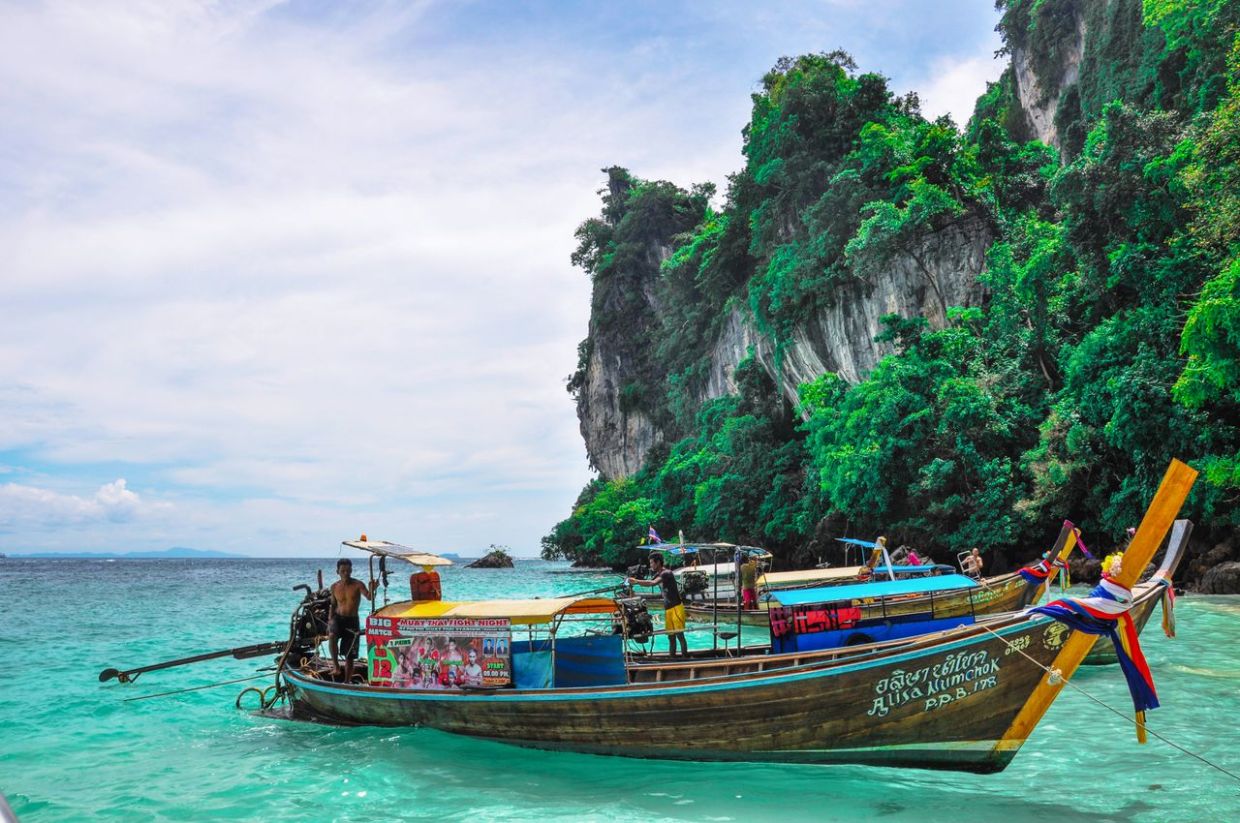
Thailand is fundamentally recasting its tourism approach after four decades of chasing ever-growing visitor numbers, signalling a strategic pivot toward attracting affluent travellers who spend substantially more during their stays. The Southeast Asian nation, historically celebrated for its pristine coastlines and vibrant urban entertainment scenes, is now deliberately setting a modest target of approximately 33 million international arrivals for the coming year—significantly below the pre-pandemic record of nearly 40 million tourists in 2019. This represents a marked departure from the relentless pursuit of volume that once defined Thai tourism policy.
The proposed ceiling on visitor arrivals carries particular weight given recent performance trends. If actual numbers fall short of the 32.97 million tourists recorded in the previous year, Thailand would experience its first consecutive annual decline in foreign arrivals since at least 1995, outside the exceptional circumstances of the pandemic period. This statistical milestone underscores how thoroughly the government has abandoned its historical obsession with maximising headcount, even at the cost of declining total visitor flows.
Geopolitical instability across the region and intensifying competition from neighbouring destinations have prompted Thai officials to recalibrate their priorities. Nithee Seeprae, the Tourism Authority of Thailand's Deputy Governor, articulated this reasoning in conversations with analysts, emphasising that revenue generation per visitor now supersedes aggregate arrival figures in policymaking. The authority's revised marketing strategy explicitly targets traveller segments characterised by higher disposable incomes and extended stay durations—those seeking bespoke experiences rather than budget-conscious package holidays. This conceptual reframing addresses mounting pressure on Thailand's tourism infrastructure and society, which had become strained under the weight of mass visitor flows.
The tourism authority has begun translating this philosophy into concrete marketing initiatives. Recent promotional campaigns have shifted geographical focus toward affluent demographics in Britain, with the authority launching targeted events in prosperous cities including Oxford and Manchester. Rather than generic destination marketing, the new approach emphasises specialised tourism products: medical tourism packages, luxury wellness retreats, international concert series, cultural festivals, premium golf facilities and exclusive sporting marathons. These categories of traveller statistically remain longer within Thailand and expend considerably more money across accommodation, dining, entertainment and ancillary services compared to conventional leisure tourists.
Current expenditure patterns reveal the ambition underlying this repositioning. International visitors presently spend approximately US$1,500 per trip on average, translating to roughly RM6,141 in Malaysian currency terms. The tourism authority aims to elevate this figure substantially, targeting average spending of approximately US$2,400 per visitor—equivalent to RM9,826. Achieving this 60 per cent increase in per-capita spending would constitute a profound transformation of Thailand's tourism economics. Yet the immediate financial projections suggest measured progress, with international tourism receipts projected to rise only marginally this year to THB1.55 trillion (RM190.17 billion) from THB1.54 trillion (RM188.95 billion) in the previous year.
A particularly revealing indicator of Thailand's strategic reorientation lies in its reversal of pandemic-era visa policies. In the immediate post-Covid period, Thai authorities relaxed immigration requirements substantially to stimulate tourism recovery and generate urgently needed foreign exchange revenue. However, officials subsequently linked these liberalised entry procedures to rising incidences of illegal employment among foreign nationals, visa overstaying, and crimes perpetrated by international visitors. The decision to reinstate stricter visa frameworks demonstrates willingness to sacrifice volume for quality control, a philosophical shift that would have been unthinkable in earlier decades. This hardening of immigration policy underscores that improved tourism revenue now takes precedence over maximising visitor throughput.
Yet the practical challenges of implementing this transition remain substantial. Tourism constitutes approximately one-fifth of Thailand's total economic output, generating employment and income across an extensive ecosystem encompassing hotels, restaurants, food markets, transport operators, diving enterprises and tour companies. This sprawling infrastructure was developed and optimised specifically around high-volume tourism operations. Destinations such as Phuket and Chiang Mai were deliberately constructed as mass-tourism hubs, with infrastructure, labour pools, and supply chains calibrated to serve millions of annual visitors at modest price points. Converting these economies toward fewer but wealthier arrivals presents formidable structural obstacles that cannot be resolved through marketing campaigns alone.
Thailand's competitive position has simultaneously weakened across traditional tourism markets. The kingdom no longer commands the undisputed advantage in value-for-money tourism that characterised earlier decades. Vietnam and Indonesia have progressively captured market share through competitive pricing and expanded tourism product offerings, eroding Thailand's historical dominance in budget-conscious segments. Furthermore, the Thai baht has strengthened considerably in recent years, diminishing what was once Thailand's principal competitive advantage—its affordability for international visitors. These macroeconomic shifts have rendered Thailand's traditional mass-tourism model economically less viable regardless of policy preferences.
Thailand's tourism industry constructed itself over decades into one of the world's largest mass-market tourism systems, benefiting substantially from currency advantages, global cultural exposure through films and television productions, and the extraordinary surge in Chinese visitors preceding the pandemic. The Covid-19 disruption fundamentally disrupted this momentum, and recovery efforts have faced headwinds that policy adjustments alone cannot overcome. The country's tourism recovery trajectory has lagged considerably behind pre-pandemic recovery elsewhere in the region, necessitating a more fundamental rethinking of competitive positioning.
Despite the explicit move toward premium travellers, Nithee has been careful to characterise the strategy as inclusive rather than exclusionary. He contends that the authority's conception of luxury encompasses meaningful and exclusive experiences rather than mere price points, suggesting that Thailand remains fundamentally welcoming to diverse visitor segments. This rhetorical positioning attempts to prevent the perception that Thailand is deliberately pricing out moderate-income travellers, which could trigger diplomatic friction or civil society criticism domestically. The messaging reflects recognition that a complete abandonment of accessible tourism would prove politically contentious within Thailand itself, given the widespread dependence on tourism employment across society.

