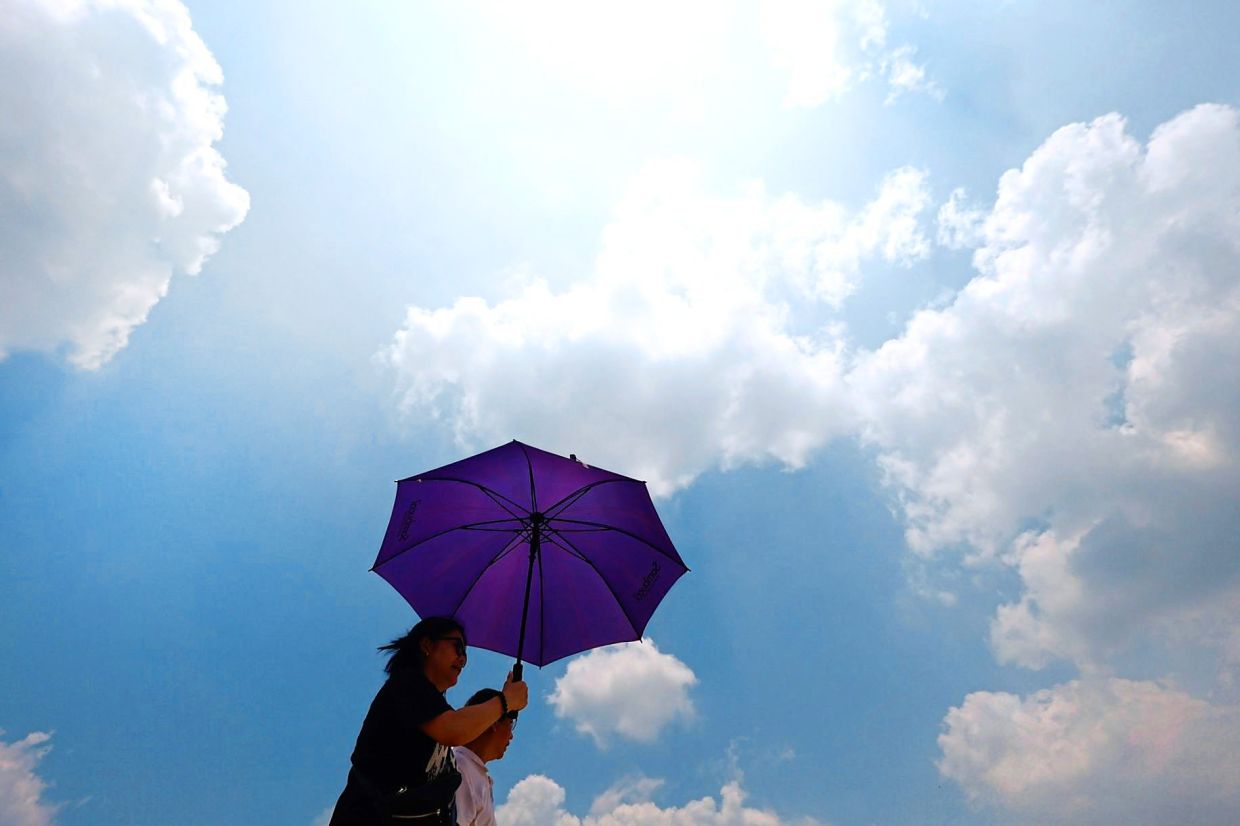
Heatwaves are reshaping from occasional summer discomforts into recurring threats that will define future decades, according to a sobering assessment from the World Health Organization released on June 30, 2026. The warning came as Europe grappled with record-shattering temperatures that claimed numerous lives across the continent. Dr Hans Kluge, regional director of WHO Europe, underscored the gravity of the situation, stating that the coming summers would present progressively harsher challenges. His remarks signified a critical shift in how health authorities view thermal extremes—no longer isolated meteorological events to manage, but systemic crises requiring fundamental changes to public health infrastructure and preparedness.
The central question confronting public health officials and climate scientists concerns whether human physiology can keep pace with accelerating temperature increases. Kathrin Graw, a medical meteorologist with Germany's Deutscher Wetterdienst (DWD), offers a cautiously optimistic but ultimately cautionary perspective on this question. The human body does possess mechanisms for thermoregulation and can develop greater tolerance to heat exposure over time, she explains, yet these adaptive capacities function within demonstrable constraints. Understanding these boundaries becomes increasingly urgent as climate disruption outpaces biological adjustment.
The challenge extends beyond simple temperature elevation. Graw emphasises that the duration of heatwave exposure fundamentally alters how the human body experiences thermal stress. Each successive day of unrelenting heat compounds physiological strain, creating a cumulative burden that grows exponentially rather than linearly. The situation becomes particularly dire when nighttime temperatures remain elevated, preventing the restorative cooling that sleep normally provides. When citizens cannot achieve thermal comfort during night hours, daytime heat tolerance diminishes further, establishing a vicious cycle of mounting physiological distress.
Research from the DWD provides concrete evidence of this escalating danger. Death rates attributed to excessive heat rise sharply as heatwaves persist, with cardiovascular patients facing disproportionate risk. During the initial days of a heatwave, excess mortality among people with heart disease reaches approximately 8.5% above baseline levels. However, by the eleventh and twelfth days of sustained heat exposure, this figure climbs to approximately 18%—more than double the early-stage risk. This dramatic acceleration demonstrates that adaptation becomes increasingly ineffective as thermal stress accumulates, with the body's compensatory mechanisms gradually overwhelmed by prolonged exposure.
Within a single summer season, the human body demonstrates measurable capacity for heat acclimation. Graw notes that meteorological services throughout Europe account for this reality when issuing heat warnings. The temperature thresholds triggering official warnings are deliberately set lower during early summer or immediately following cooler periods, when populations have had less opportunity to acclimatise. As summer progresses and populations become physiologically adjusted to elevated temperatures, warning thresholds gradually increase. This adaptive capacity, though real, remains modest and operates only across timeframes measured in weeks or months.
A more profound question concerns whether humanity can develop meaningful long-term adaptation across generations as climate change progresses. Limited evidence suggests some optimisation has occurred in geographically warmer regions. Populations in southern European nations and countries closer to the equator have longer historical experience with thermal extremes, and heat-related mortality in these areas generally runs somewhat lower than in historically cooler northern regions. This pattern suggests that cultural practices, urban design, healthcare systems, and individual behaviours can evolve to better manage heat stress. Nevertheless, even this geographical advantage carries important qualifications.
Graw issues a critical warning about the pace of climate change itself. The human body and human societies cannot adapt to transformations occurring at the velocity that contemporary climate disruption demands. Historical adaptation occurred gradually, allowing cultural practices and biological populations to evolve alongside environmental change. Current warming, by contrast, accelerates dramatically with each passing year, outpacing any realistic capacity for biological adjustment or infrastructure development. The temporal mismatch between climate change velocity and adaptive capacity creates an inherent vulnerability that technology or behaviour modification alone cannot fully resolve.
This acceleration particularly threatens populations already vulnerable to heat stress. Older individuals face elevated cardiovascular and thermoregulatory challenges, whilst young children possess less developed cooling mechanisms. Pregnant women experience metabolic changes that intensify heat sensitivity, and those with chronic health conditions find their medical management complicated by thermal extremes. These groups cannot simply adapt through physiological mechanisms; their protection requires systematic changes to built environments, healthcare delivery, energy systems for cooling, and social support networks that currently remain inadequate in most regions, including Southeast Asia.
For Malaysia and other Southeast Asian nations, the implications deserve urgent attention. These tropical regions have traditionally experienced year-round heat, potentially suggesting greater population resilience to temperature elevation. However, this assumption requires testing through rigorous epidemiological research specific to regional populations. Beyond existing heat, further temperature increases will push thermal stress beyond current adaptive thresholds, whilst simultaneously straining electricity grids already taxed by expanded air conditioning demand. Urban heat island effects in rapidly expanding cities like Kuala Lumpur, Bangkok, and Manila will concentrate impacts on the most vulnerable populations.
The convergence of climate science and medical evidence points toward an inescapable conclusion: incremental adaptation strategies, whilst necessary, cannot address the fundamental challenge. Human bodies possess limited capacity to tolerate sustained heat, and this capacity diminishes as heatwaves extend in duration and frequency. The challenge requires simultaneous action across multiple domains—aggressive emissions reduction to limit future warming, substantial investment in cooling infrastructure and urban redesign, healthcare system strengthening to manage heat-related illness, and social policies protecting vulnerable populations. Without such comprehensive approaches, heatwaves will continue claiming lives at accelerating rates across the globe.

