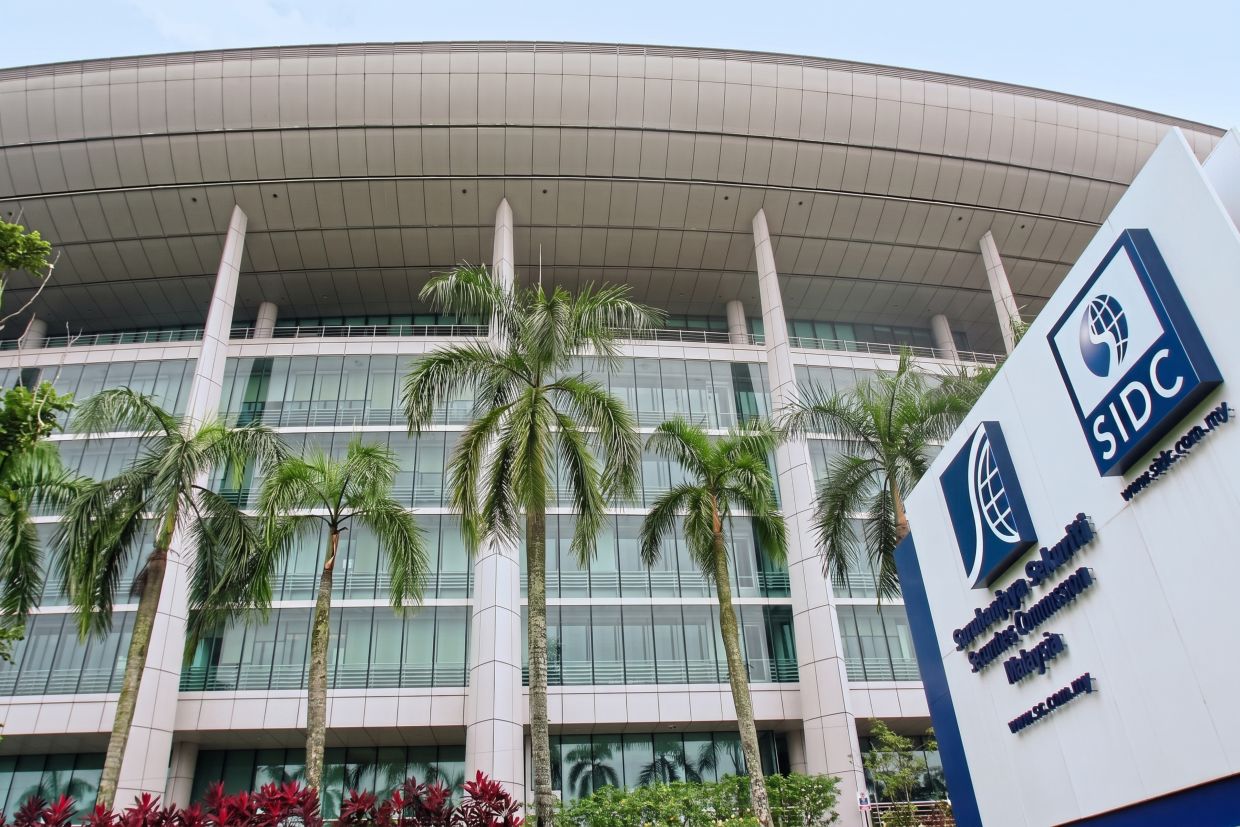
The Securities Commission Malaysia has escalated its enforcement campaign against unregulated capital market activity by charging three brothers across multiple jurisdictions in the Kuala Lumpur Sessions Courts for conducting securities dealing operations without proper licensing. The coordinated legal action against Anuar Hassan, Mohd Amin Hassan and Amir Hassan underscores regulators' intensifying focus on combating financial intermediaries who circumvent Malaysia's carefully structured licensing framework.
Mohd Amin Hassan faces individual culpability on a single count under section 58(1) of the Capital Markets and Services Act 2007, specifically for managing a securities dealing enterprise without authorisation from the regulator. His bail conditions reflect standard enforcement protocols, with a RM30,000 surety requirement backed by two Malaysian sureties, coupled with passport surrender and monthly check-ins with the SC's investigating division. These administrative restrictions effectively limit his movement whilst court proceedings unfold, a common approach that signals prosecutors' confidence in their case.
The charges against Anuar and Amir carry greater complexity, involving joint liability for two offences. Both men were prosecuted concurrently under section 58(1) of the Capital Markets and Services Act combined with section 34 of the Penal Code, which governs criminal conspiracy and joint liability. Each secured identical RM30,000 bail packages with equivalent reporting and documentation requirements. The invocation of conspiracy provisions suggests investigators identified coordinated wrongdoing rather than isolated incidents, potentially indicating structured participation in an unlicensed operation.
Additional proceedings in separate court sessions revealed a layered charging structure. Amin and Amir faced further joint charges under identical legislation, though granted slightly reduced bail amounts of RM20,000 each, suggesting either distinctions in culpability levels or the nature of the underlying conduct. Amir's individual charges grew more substantial across the court calendars, with two additional counts lodged under section 58(1), each carrying the standard RM30,000 bail configuration. This multiplication of charges against a single individual indicates that prosecutors may have identified multiple distinct breaches of securities law.
Anuar and Amin were also jointly charged under conspiracy provisions with RM30,000 bail each, whilst Anuar additionally faced separate charges requiring identical bail arrangements. The cumulative charging strategy—spanning individual counts, joint charges, and conspiracy charges—creates a prosecutorial framework that simultaneously establishes personal liability, collective responsibility, and systematic breach patterns. Such an approach typically strengthens cases when defendants contest charges, as it presents multiple evidential angles through which courts can assess guilt.
All three brothers have exercised their constitutional right to contest the charges, rejecting prosecution allegations. The substantive allegation centres on their alleged operation of a securities dealing business without securing the Commission's mandatory Capital Markets Services Licence, a regulatory requirement that exists to protect retail investors from unqualified intermediaries and prevent fraudulent market practices. Between March 2019 and October 2019, according to prosecutors, these activities extended across multiple Malaysian jurisdictions including Kuala Lumpur, Putrajaya, Selangor and Johor, suggesting geographically distributed operations potentially reaching customers across the Klang Valley and southern regions.
The temporal parameters of the alleged offences carry significance for Malaysia's broader regulatory landscape. The 2019 window represents a period when digital platforms were rapidly expanding financial accessibility, a development that created regulatory gaps as entrepreneurs exploited technological capabilities to offer investment services without formal authorisation. The Securities Commission has since intensified scrutiny of online investment platforms, cryptocurrency trading schemes, and unregistered fund management operations, making prosecutions from this period emblematic of earlier enforcement responses.
Conviction on these charges exposes the defendants to severe consequences that reflect Parliament's intention to deter securities fraud. The maximum penalty structure permits fines reaching RM10 million—a substantial sum that exceeds the resources of typical individual defendants—combined with or alternatively to imprisonment extending a full decade. These severe thresholds acknowledge the systemic threat posed by unlicensed securities dealers, who may divert retail savings into fraudulent schemes, manipulate share prices through unauthorised trading, or engage in market manipulation without regulatory safeguards.
For Malaysian investors and financial consumers, this prosecution reinforces that the Securities Commission actively pursues those operating outside its regulatory perimeter. The agency maintains a public register of licensed capital market services providers, and transactions outside this approved network carry heightened default and fraud risks. Citizens considering investment opportunities should verify counterparty licensing through the SC's official database before committing capital. The prosecution equally signals that alleged violations face prosecution years after occurrence, providing deterrent value to contemporary bad actors who might otherwise assume regulatory attention has faded.
The broader implication extends to Southeast Asia's evolving financial regulation architecture. Malaysia joins regional peers in grappling with the enforcement challenge posed by decentralised digital finance and cross-border capital flows. As cryptocurrency and decentralised finance platforms attract growing capital from Malaysian retail investors, regulators face mounting pressure to establish clear boundaries between licensed and unlicensed activity. The Hassan brothers' prosecution illustrates that Malaysia remains willing to pursue individuals who knowingly operate without required approvals, though critics note that distinguishing negligent non-compliance from intentional evasion presents interpretive challenges.
The bail arrangements granted across all court sessions suggest magistrates assessed the defendants as presentable risks to abscond or reoffend prior to trial, thereby justifying release rather than remand detention. The similarity of bail conditions across multiple charges indicates standardised judicial approach to securities violations. As trials progress through the Sessions Court system—Malaysia's intermediate criminal tier—the courts will evaluate prosecution evidence regarding whether the brothers' actual conduct constituted securities dealing as legally defined, whether they knew of licensing requirements, and whether any defences such as technical misunderstandings of regulatory boundaries apply to their circumstances.

