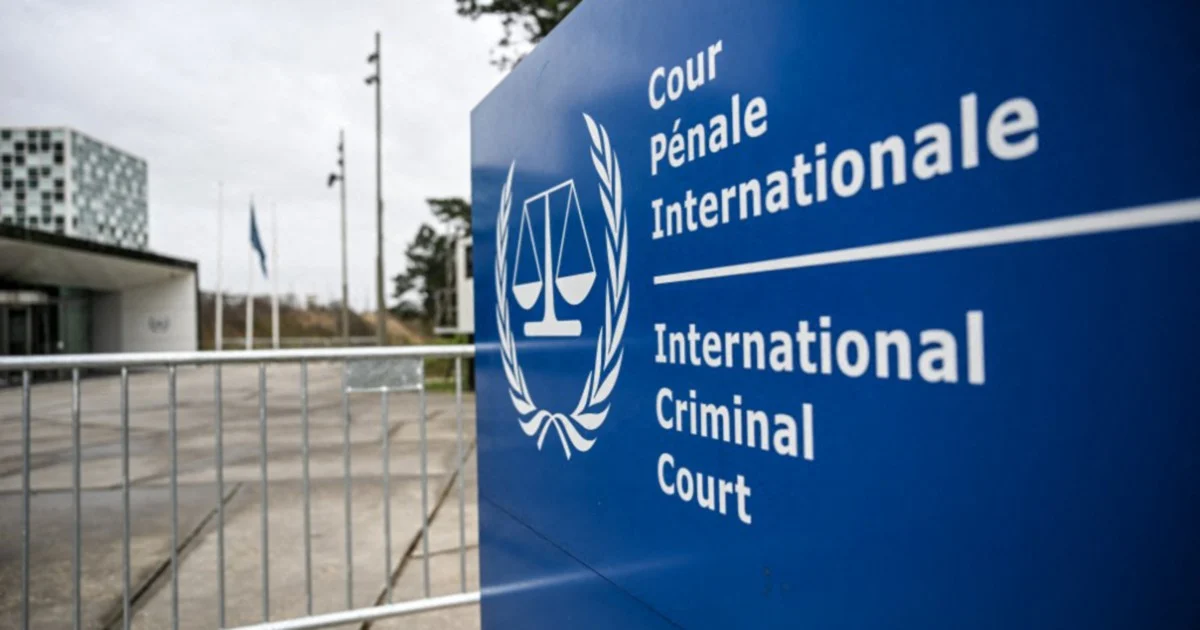
Three judges from the International Criminal Court have initiated legal proceedings against President Donald Trump and other high-ranking officials within the United States government, disputing the lawfulness of sanctions that were previously imposed on them. The judicial officers, representing one of the world's most significant international institutions, contend that the measures taken against them constitute an abuse of executive authority and violate established principles of international law.
The lawsuit represents an unprecedented confrontation between the US administration and the ICC's judicial apparatus, reflecting broader tensions that have characterised American relations with the international court for many years. The judges argue that the sanctions are not merely punitive in nature but are crafted in such a way as to severely restrict their lives and professional capacities—hence their characterisation of the measures as "draconian."
The ICC, based in The Hague and established under the Rome Statute, serves as a court of last resort for cases involving genocide, crimes against humanity, and war crimes. Its authority derives from voluntary membership by nations and has become increasingly important in accountability mechanisms for international violations. The court's legitimacy depends heavily on the independence and security of its judges, making threats to these fundamental aspects a matter of serious concern within the global legal community.
The Trump administration's decision to sanction ICC officials stemmed from the court's investigations and potential prosecutions that could involve US personnel or allies. Previous American governments have expressed scepticism about the ICC, with the United States itself not being a signatory to the Rome Statute. However, the explicit targeting of individual judges with sanctions represents an escalation of this long-standing diplomatic friction.
For Malaysian observers and Southeast Asian legal scholars, this development carries significant implications. The ASEAN region includes several ICC member states, including Cambodia and the Philippines, and the region's emerging economies have increasingly engaged with international legal frameworks. Any precedent set regarding the permissibility of powerful nations targeting international judges could have ramifications for the stability of multilateral institutions that smaller nations depend upon for protection of their interests.
The judges' lawsuit specifically argues that the sanctions violate international law principles protecting the independence and immunity of judicial officers serving in international organisations. They contend that such measures threaten the functioning of the court and undermine the international legal order that the ICC represents. The legal argument rests on well-established doctrine that permits officials of international institutions to perform their duties without intimidation or coercion from member states.
The timing of this legal action reflects the geopolitical climate following the 2024 US presidential election and the return of Trump to the White House. The administration has signalled a more confrontational approach to international institutions generally, raising questions about America's continued commitment to multilateral frameworks. For countries like Malaysia that navigate between major power blocs and depend on functional international institutions, such developments present strategic considerations.
The proceedings will test the American judicial system's willingness to intervene in matters of executive authority, particularly concerning foreign policy and international relations. US courts have historically shown deference to executive decisions in this domain, making the judges' legal path challenging. However, the plaintiff judges may argue that fundamental principles of law and constitutional limits on executive power supersede traditional deference doctrines.
Beyond the immediate legal questions, the case raises broader questions about the future of international justice mechanisms. If powerful states can unilaterally sanction judges investigating their actions or those of their allies, the entire architecture of international accountability becomes vulnerable to political manipulation. This vulnerability threatens countries lacking the military or economic power to protect their interests through bilateral means.
The ICC itself faces a critical juncture. The court's effectiveness depends on its ability to investigate and prosecute cases without fear of retaliation against its officials. The judges' decision to pursue legal remedies demonstrates their commitment to defending the institution, but success in the US courts is uncertain. Meanwhile, the court continues its operations on multiple continents, including ongoing investigations in Africa, Eastern Europe, and Asia.
For Southeast Asian nations, maintaining confidence in international institutions proves essential as regional tensions persist over maritime disputes, trade conflicts, and security arrangements. The weakening of the international legal framework through politically motivated sanctions against judges could embolden other powerful states to similarly undermine institutional mechanisms that protect smaller nations.
The case will likely attract significant international attention from legal scholars, civil society organisations, and governments worldwide. Amicus briefs from friendly nations and international law associations may highlight the global stakes involved. The outcome could establish important precedent regarding the limits of executive power to target international officials, with implications that extend far beyond the specific dispute between the Trump administration and the ICC.

