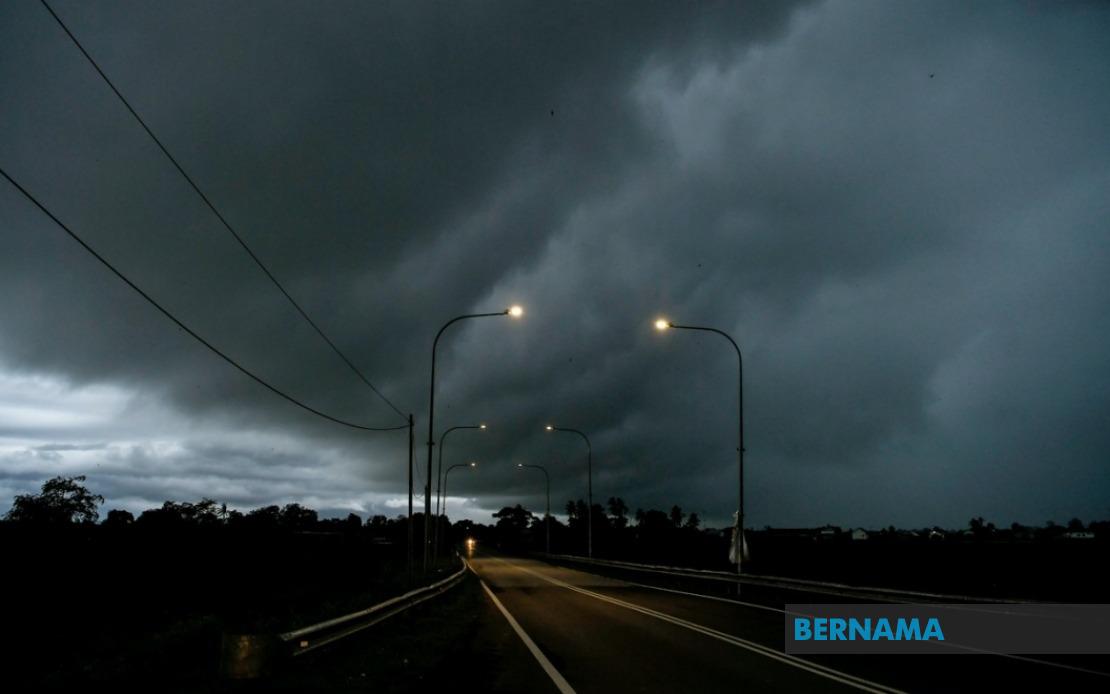
The Malaysian Meteorological Department has issued a thunderstorm alert across a large swathe of the country, cautioning residents in nine states along with the federal capital Kuala Lumpur and administrative centre Putrajaya to brace for volatile weather conditions until 6 pm. The warning encompasses multiple districts spanning the peninsula's eastern and central regions, as well as significant portions of both Malaysian Borneo states, reflecting the widespread nature of the atmospheric disturbance affecting the nation.
In Peninsular Malaysia, the alert covers swaths of the eastern seaboard and central regions. Johor faces the threat across its territory, while Negeri Sembilan residents have been put on notice. Perak is particularly affected, with the warning extending to seven different districts: Hulu Perak, Kuala Kangsar, Kinta, Kampar, Hilir Perak, Batang Padang and Muallim. The northern east coast state of Kelantan is also in the warning zone, specifically in six divisions including the coastal areas of Tumpat and Pasir Mas, as well as interior zones such as Gua Musang and Kuala Krai.
Terengganu's coastal and interior areas face similar threats, with six districts placed under alert: Setiu, Kuala Nerus, Kuala Terengganu, Marang, Dungun and Kemaman. Pahang, Malaysia's largest peninsula state, has seven districts affected by the warning, ranging from the highland region around Cameron to lowland areas including Kuantan, Pekan and Rompin. The warning also extends into Selangor, the economic powerhouse surrounding Kuala Lumpur, affecting seven districts that include suburban zones like Petaling and Gombak as well as peripheral areas such as Sabak Bernam and Sepang.
Across the South China Sea in Sarawak, the Malaysian Meteorological Department has similarly cautioned residents across an extensive geographical area. The warning encompasses the state capital Kuching along with the rural divisions of Sarikei, Sibu, Mukah, Kapit, Bintulu and Miri. The northern district of Limbang is also included in the alert, signalling that the weather system's reach extends across most of Sarawak's inhabited areas from the coast to interior regions.
In Sabah, the thunderstorm warning blankets three major zones. The inland region covering Sipitang, Tenom, Beaufort, Nabawan, Keningau and Tambunan falls under the alert, as does the densely populated west coast encompassing Kota Kinabalu and surrounding districts. The Sandakan division in the east, including areas such as Tongod, Telupid and Beluran, also faces the predicted severe weather conditions. Collectively, the alert affects the majority of Sabah's population centres and administrative divisions.
Thunderstorms of this magnitude can pose genuine hazards to communities across Malaysia. The combination of heavy rainfall, strong winds and electrical activity creates risks for flooding in low-lying areas, particularly in urban zones where drainage infrastructure may become overwhelmed during intense downpours. Gusty winds pose dangers to outdoor structures, loose objects and vehicular traffic, while lightning poses electrocution risks to those caught outdoors. Visibility reduction during heavy rain can compromise road safety and disrupt transport operations.
The geographical scope of this warning—spanning both Peninsular Malaysia and East Malaysia—underscores the scale of the weather system responsible. Such widespread thunderstorm activity typically reflects significant atmospheric instability, often triggered by monsoonal patterns, sea surface temperature variations or convergence zones where differing air masses collide. For Malaysian residents and authorities, such alerts provide crucial advance notice to implement precautionary measures and ensure public safety.
Citizens across the affected areas are advised to remain indoors where possible during the warning period and to secure any outdoor items that could be dislodged by strong winds. Drivers should exercise heightened caution, reducing speeds and increasing following distances due to reduced visibility. Essential services and local authorities typically activate contingency plans during such weather events to manage potential flooding and respond to emergencies. The public is encouraged to monitor weather updates from the Malaysian Meteorological Department for any extensions to the warning or changes in forecast severity.
With the warning set to conclude at 6 pm, residents should expect conditions to potentially stabilise thereafter, though localised heavy showers may persist in some areas. This type of severe afternoon thunderstorm is not uncommon during Malaysia's monsoon seasons, particularly along the east coast and in areas with complex topography where orographic lifting enhances rainfall. Weather authorities will continue monitoring atmospheric conditions and issuing updates as the situation develops throughout the day.

