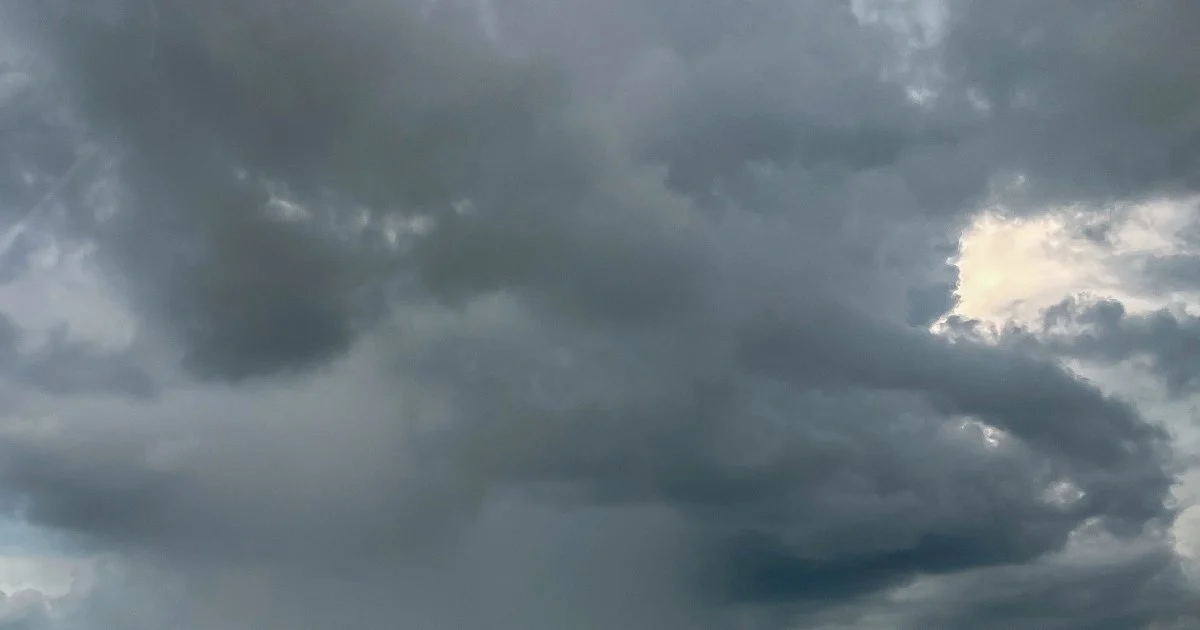
The Malaysian Meteorological Department has issued a weather alert for northern Malaysia, warning residents of an incoming band of thunderstorms expected to persist through the midday hours. The alert, which covers four states in the region, specifically highlights the twin hazards of torrential rainfall and powerful wind gusts that could disrupt normal activities and pose risks to residents and commuters alike.
The timing of this alert carries significance for morning commuters across the northern corridor, as the duration until 12pm encompasses peak travel periods when roads are typically congested and visibility becomes compromised during severe weather. Motorists traveling to work or school should exercise heightened caution, as the combination of reduced visibility from heavy rain and unpredictable wind shear can make navigation hazardous, particularly on elevated highways and exposed routes susceptible to wind effects.
Thunderstorm warnings of this nature typically prompt the closure or suspension of outdoor activities and construction work in affected regions. School authorities and employers throughout the four affected states should be preparing contingency arrangements, ensuring that staff and students have clear guidance on weather-related disruptions. The narrow window until noon means that decisions regarding closures or delays need to be made expeditiously to allow families adequate time for alternative arrangements.
For residents in the affected northern states, the advisory serves as a reminder of the volatile nature of tropical weather systems, which can intensify rapidly and produce localised flooding in low-lying areas and areas with poor drainage infrastructure. The strong winds accompanying these thunderstorms present additional risks, potentially bringing down loose objects, overturning lightweight structures, and causing minor damage to property. Authorities typically recommend securing outdoor items and avoiding unnecessary exposure during peak storm activity.
The Malaysian Meteorological Department's proactive issuance of such alerts reflects the agency's role in helping the public prepare for severe weather events. Citizens in the four affected states are advised to monitor official weather updates closely, as conditions can change and alerts may be extended or modified based on real-time meteorological data. Those working in weather-sensitive industries such as transportation, utilities, and outdoor services should have contingency protocols ready for quick activation.
Historically, northern Malaysia experiences such thunderstorm episodes particularly during transitional monsoon seasons, when moisture-laden air masses collide with local topography to generate convective systems. The concentration of alerts on northern states suggests that current atmospheric conditions are particularly favourable for thunderstorm development in that region, whilst other parts of the country may experience more benign conditions. This geographic variation underscores the importance of hyper-localised weather forecasting for a country with Malaysia's diverse terrain and climate patterns.
The practical implications for various sectors are noteworthy. Public transportation operators may face delays, and travellers should budget extra time for journeys during the alert period. Outdoor events scheduled for the morning should be postponed or relocated indoors where feasible. Agricultural operations, particularly those involving irrigation or harvesting, may be disrupted, though the heavy rainfall could benefit water-dependent crops if drainage is adequate and flooding does not occur.
From a preparedness standpoint, the alert underscores the value of maintaining working relationship channels between meteorological authorities and local government, schools, and essential services. Early dissemination of weather information allows institutions to activate their disaster management protocols before conditions deteriorate. In an age where weather information is widely available through multiple channels including mobile applications and social media, ensuring that vulnerable populations—including those without access to digital platforms—receive timely warnings remains an ongoing challenge for public safety agencies.
The Malaysian Meteorological Department continues to monitor atmospheric conditions across the peninsula and broader region. Residents should consider the alert as a temporary but important disruption to normal routines and prepare accordingly. Once the alert period concludes at noon, conditions are expected to normalise progressively throughout the afternoon, though some lingering moisture and occasional showers may persist as the system moves away from the northern states.

