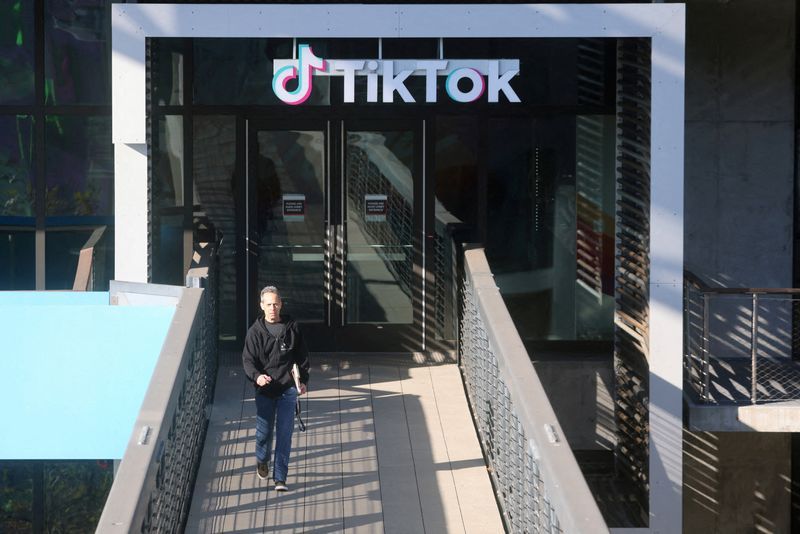
ByteDance's TikTok has agreed to settle a mental health lawsuit brought by a teenager from Florida, according to the plaintiff's legal representatives announced this week. The agreement in principle resolves claims that the short-form video platform deliberately engineered its service to become addictive, contributing to the young user's psychological distress. While the terms remain under negotiation, the settlement represents a significant development in an expanding wave of litigation challenging social media companies' responsibility for youth mental health deterioration across North America.
The plaintiff, identified as R.K.C. and aged 15, began using social media platforms at approximately eight years old and subsequently developed what he characterised as addiction, experiencing consequent sleep deprivation, depression, and anxiety disorders. Morgan & Morgan, the law firm representing the teenager, confirmed the settlement negotiations had reached an advanced stage, though specific financial details and conditions await finalisation. TikTok declined to provide immediate comment when approached by media outlets regarding the agreement.
This settlement emerges as the second successful resolution in a parallel California state court proceeding focused on social media's deliberately addictive characteristics and their alleged contribution to escalating youth mental health crises. The 15-year-old's original complaint named four major defendants: Google's YouTube platform, Meta's Instagram service, Snapchat owned by Snap Inc, and TikTok. YouTube previously agreed to settle its portion in June, while Meta and Snapchat currently face trial commencement scheduled for late July, indicating the litigation trajectory remains far from conclusion.
The volume of pending cases illustrates the enormous scale of this legal confrontation. California state courts are processing more than 3,300 individual lawsuits asserting addiction claims against social media corporations, whilst federal courts in the same state carry an additional 2,600 cases brought by individual users alongside suits filed by school districts, municipalities, and state governments. These figures underscore how widely the courts have embraced allegations that social media platforms bear responsibility for negative health outcomes among young users. The sheer numerical burden reflects genuine public concern about platform design practices rather than isolated grievances.
Social media defendants maintain consistent positions throughout these proceedings, categorically denying allegations of deliberately engineered addiction and asserting they implement comprehensive safeguards to protect younger users from harmful content and excessive engagement. Despite these assurances, the judicial track record suggests American courts find the evidence persuasive. The precedent-setting first trial concluded in March, involving a woman who claimed childhood addiction stemmed from deliberately attention-capturing platform design. TikTok and Snap opted to settle before trial proceedings, whereas Meta and Google proceeded to full jury hearings.
That initial trial verdict proved consequential for future litigation. The jury determined Meta and Google operated negligently, awarding damages of 4.2 million dollars and 1.8 million dollars respectively. When the presiding judge subsequently rejected the companies' motions to overturn the verdict in June, the decision reinforced the legal principle that social media corporations can face meaningful financial consequences for their platform management practices. This judicial precedent likely influenced TikTok's decision to settle rather than proceed to trial, where similar jury findings could prove even more costly.
Federal court proceedings have generated comparable outcomes. A Kentucky school district initiated litigation against Meta, Snap, TikTok, and YouTube in June, but all four defendants chose settlement over trial, collectively paying the district 27 million dollars. This outcome demonstrates that institutional plaintiffs representing broader constituencies can command substantial settlements, particularly when jury verdicts from parallel cases create liability risk. School districts possess standing to claim direct harm through youth mental health impacts on educational outcomes and student wellbeing.
Beyond California and federal venues, the litigation landscape extends into nearly every American state, where state attorneys general and other governmental bodies have independently initiated legal action against social media corporations. These state-level lawsuits typically emphasise allegations that platforms misrepresented their safety characteristics to young users whilst simultaneously architecting engagement mechanisms specifically designed to hook children. The geographic and jurisdictional diversity means corporations face exposure across multiple simultaneous litigation fronts, potentially explaining the increasing frequency of settlement agreements.
For Malaysian and Southeast Asian observers, these developments carry significant implications. Regional tech regulators and policymakers increasingly scrutinise social media platforms' youth safety practices, and American litigation outcomes shape global corporate responses. Should similar litigation expand into Malaysian courts or prompt regulatory intervention from authorities like BNM or the Malaysian Communications and Multimedia Commission, platforms may face comparable pressures. The TikTok settlement demonstrates that even platforms with substantial user bases and market power cannot indefinitely resist legal accountability for addiction-enabling design features.
The cumulative effect of these settlements and verdicts signals a broader societal reckoning with social media's role in youth mental health crises. Rather than viewing these as isolated legal skirmishes, the pattern suggests fundamental changes in how courts and regulators evaluate platform responsibility. Companies can no longer rely solely on user choice arguments or minimal safety disclaimers; courts increasingly examine whether underlying platform architecture deliberately prioritises engagement metrics over user wellbeing. This philosophical shift will likely reshape how social media companies design and deploy features globally.
The TikTok settlement also highlights generational differences in legal strategy. Younger users like R.K.C. grew up during smartphones' ubiquity and cannot easily recollect social media absence, potentially making addiction claims more sympathetic to juries than they might have been previously. As this generation reaches adulthood and participates in litigation against platforms they used throughout development, their firsthand testimonies carry persuasive power that earlier cohorts lacked. This temporal dimension suggests future settlements may become even more common as affected cohorts grow and press claims.
For the broader social media industry, settlement patterns indicate that contesting every addiction claim through protracted litigation becomes economically irrational once jury verdicts begin favoring plaintiffs. TikTok's decision reflects cost-benefit calculations where settlement amounts prove cheaper than trial expenses, jury awards, and appellate proceedings. This commercial logic may accelerate settlement momentum in remaining cases, effectively creating de facto industry admission that current platform designs pose youth mental health risks requiring financial remediation.

