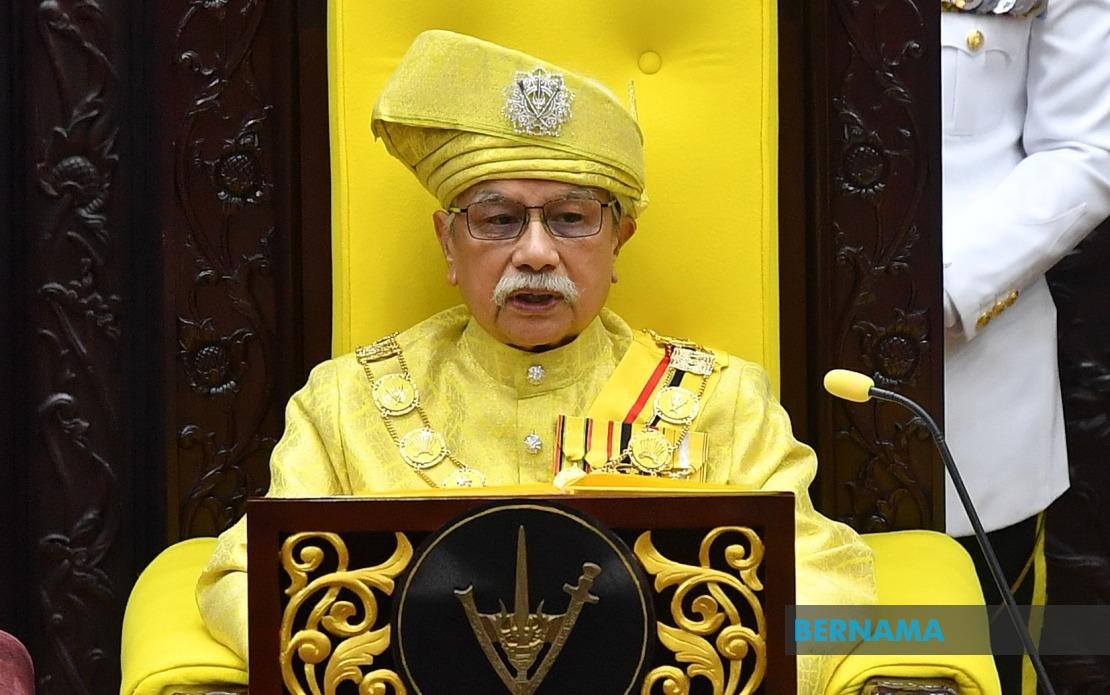
The Yang Dipertuan Besar of Negeri Sembilan, Tuanku Muhriz Tuanku Munawir, has given his consent to conduct a formal royal audience ceremony recognising the installation of the new Undang of Luak Rembau at Istana Besar Seri Menanti this Saturday. The decision was announced by Tunku Besar Seri Menanti, Tunku Ali Redhauddin Tuanku Muhriz, during an engagement with the customary leaders of Rembau at the palace in Kuala Pilah, marking an important occasion in Negeri Sembilan's adat governance structure.
Hassan Ab Hamid, a 67-year-old community elder, has been selected as the 22nd Undang of Rembau following the traditional adat selection process established within the Luak Rembau community. His elevation comes more than a year after the passing of his predecessor, Datuk Lela Maharaja Datuk Muhamad Sharip Othman, who died in May 2024 at the age of 83. The selection process, overseen by the Kerapatan Buapak Delapan ceremony for the Biduanda Nan Dua Carak customary clan, reflects the continuation of centuries-old governance practices unique to Negeri Sembilan's Adat Perpatih system.
The upcoming royal audience serves a constitutionally important function within Negeri Sembilan's traditional administrative framework. Rather than representing an appointment or authorisation by the Yang Dipertuan Besar, the ceremony is fundamentally a matter of royal recognition and formal acknowledgement of a decision already reached through community-led customary processes. Tunku Ali Redhauddin conveyed his father's blessing for the Istiadat Menghadap Menjunjung Duli ceremony, which translates to the formal presentation and consent-giving ritual that legitimises the undang's new position within the state's hierarchical structure.
The distinction between royal consent and royal appointment holds particular significance in understanding Negeri Sembilan's unique constitutional arrangements. Datuk Juan Datuk Zulkipli Shamsudin, chairman of the customary selection ceremony, emphasised that under the Adat Perpatih system—one of Southeast Asia's most distinctive matrilineal governance frameworks—the role of the Yang Dipertuan Besar is explicitly limited to receiving delegations and granting formal recognition. The Yang Dipertuan Besar does not initiate, direct, or independently choose individuals to hold these positions, a principle that has governed the state's internal affairs for centuries and reflects a careful constitutional balance between royal authority and community autonomy.
This clarification addresses potential misunderstandings about the nature of traditional authority in Negeri Sembilan, where the Adat Perpatih system operates alongside the formal constitutional monarchy. The adat leaders have been explicit in stating that any interpretation suggesting the Yang Dipertuan Besar exercises personal discretion in selecting undangs would represent a fundamental misreading of the customary law that underpins Negeri Sembilan's unique identity within the Malaysian federation. This distinction becomes particularly relevant as modern governance sometimes blurs lines between ceremonial roles and substantive decision-making authority.
For Malaysian readers outside Negeri Sembilan, understanding the Adat Perpatih system provides insight into the remarkable diversity of governance structures within the federation. While most Malaysian states follow more conventional hierarchical models, Negeri Sembilan's matrilineal adat system preserves a form of community-based leadership selection that has survived British colonial administration, independence, and modern constitutional reform. The undang position represents one of the most senior customary offices, with responsibilities spanning dispute resolution, community welfare, and the preservation of adat traditions within their respective luaks or districts.
The practical implications of Hassan Ab Hamid's installation extend beyond ceremonial significance. As the 22nd Undang of Rembau, he will assume responsibility for maintaining customary law and resolving disputes according to adat principles within his jurisdiction. This role becomes increasingly important as Negeri Sembilan navigates the tension between modern national legislation and traditional customary governance. The Saturday ceremony therefore represents not merely a symbolic transition, but a formal transfer of substantive responsibilities rooted in centuries of practice.
The royal audience will conclude the formal selection process, with subsequent arrangements to be coordinated between the adat leaders and the Orang Empat Istana, a traditional governing council. This collaborative approach reflects the integrated nature of governance in Negeri Sembilan, where the royal institution and adat leadership maintain parallel but distinct spheres of authority. Tunku Ali Redhauddin's blessing for smooth proceedings acknowledges both his father's constitutional role and his respect for the autonomous customary processes that produced Hassan Ab Hamid's selection.
For the wider Malaysian context, the Rembau undang installation ceremony exemplifies how the federation accommodates diverse governance traditions within a unified constitutional framework. Unlike some inherited positions that face pressure to modernise or formalise, the Adat Perpatih system has maintained its essential character, with selections still determined through community deliberation rather than bureaucratic appointment. This preservation reflects both the legal protections afforded to Negeri Sembilan's adat under the Federal Constitution and the community's continued commitment to maintaining these distinctive traditions.
The Saturday ceremony at Istana Besar Seri Menanti will mark the formal beginning of Hassan Ab Hamid's tenure, completing a selection process that has respected both adat protocols and the constitutional role of the Yang Dipertuan Besar. His appointment arrives at a time when questions about cultural preservation, indigenous governance rights, and the future of traditional knowledge systems have gained renewed international attention. The Rembau installation ceremony demonstrates that Negeri Sembilan has found a working model for sustaining these traditions within a modern constitutional monarchy.

