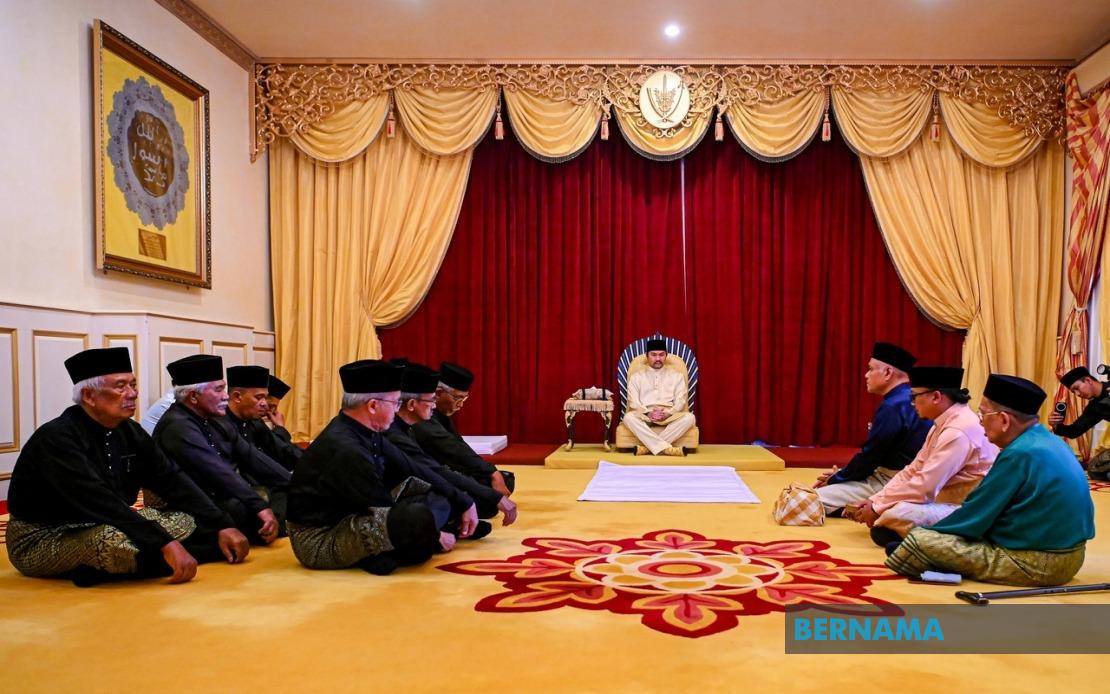
The Yang Dipertuan Besar of Negeri Sembilan, Tuanku Muhriz Tuanku Munawir, has approved a formal royal audience to be held at Istana Besar Seri Menanti in Kuala Pilah tomorrow morning to complete the installation of the Undang of Luak Sungei Ujong. The consent was announced through Tunku Besar Seri Menanti Tunku Ali Redhauddin Tuanku Muhriz, who informed representatives of the customary leadership and their delegation during an official gathering at the palace on Monday.
The newly selected individual to assume this traditional post is Muhammad Faris Johari, a 29-year-old who has been chosen as the 11th Undang of Luak Sungei Ujong following a rigorous customary selection process. The appointment came after the Buapak customary council assembly conducted its deliberations in accordance with established adat practices unique to the Sungei Ujong district. This selection underscores the continued relevance of traditional governance structures within Negeri Sembilan's intricate system of nine luaks, each maintaining its own ceremonial and administrative hierarchy.
Tunku Ali Redhauddin conveyed his father's approval for the Istiadat Menghadap Menjunjung Duli ceremony, which represents one of the most significant ritual occasions in Negeri Sembilan's cultural calendar. This particular ceremony carries ceremonial weight as it formally recognises the selected individual's position within the state's constitutional framework. The Tunku indicated that practical matters relating to the event's execution could be coordinated between the customary leadership and the Orang Empat Istana, the palace protocol authorities responsible for ceremonial arrangements.
The appointment of Johari follows the formal dismissal of his predecessor, Datuk Klana Petra Datuk Mubarak Dohak, who had served as the 10th Undang of Luak Sungei Ujong. The Dewan Keadilan dan Undang, the judicial body overseeing customary law matters, accepted the termination of Dohak's tenure at a special sitting presided over by Tuanku Muhriz. Menteri Besar Datuk Seri Aminuddin Harun confirmed that this decision emerged from deliberations conducted at Istana Besar Seri Menanti, emphasising the careful procedural adherence throughout the transition process.
Negeri Sembilan's unique constitutional arrangement grants considerable autonomy to its individual luaks, each governed by an Undang who holds both customary and ceremonial significance. This decentralised system of traditional authority represents a distinctive feature of Malaysian federalism, preserved through constitutional provisions that respect the state's historical governance structures. The nine luaks—Sungei Ujong, Rembau, Jelebu, Johol, Tampin, Seremban, Kuala Pilah, Sobol, and Ulu Muar—each maintain their own administrative councils and ritual observances, creating a multifaceted traditional hierarchy beneath the Yang Dipertuan Besar.
The ceremony tomorrow will not only formalise Johari's installation but will also serve as a reaffirmation of Negeri Sembilan's commitment to preserving traditional institutions amid modernisation pressures. For Malaysian readers unfamiliar with the state's governance model, the role of Undang extends beyond ceremonial functions; these officials traditionally adjudicate customary disputes, oversee adat-related matters, and serve as custodians of their respective luak's cultural heritage. The formal royal endorsement strengthens the legitimacy of both the individual appointee and the institutional framework itself.
Remarkably, the royal audience scheduled for tomorrow will also encompass a parallel ceremony formalising the installation of the 22nd Undang of Luak Rembau, another of Negeri Sembilan's nine districts. Tuanku Muhriz granted his consent for this dual installation ceremony, enabling both appointments to receive formal royal validation within the same formal gathering. This efficiency reflects the structured nature of traditional governance transitions within the state and demonstrates how multiple ceremonial obligations can be coordinated within the palace's established protocols.
The significance of these appointments resonates beyond Negeri Sembilan's borders, particularly for Malaysian citizens and policymakers interested in the evolution of constitutional monarchy and traditional institutions within a modern nation-state. The careful preservation of these customary processes, complete with their ceremonial grandeur and procedural formality, illustrates how Malaysia balances contemporary governance imperatives with respect for historical tradition. The Yang Dipertuan Besar's active participation in these installations underscores the constitutional monarchy's role in legitimising and sanctifying traditional authority structures.
For the Sungei Ujong district specifically, Johari's appointment represents a renewal of institutional leadership during a period when traditional governance mechanisms face scrutiny and evolving expectations. The customary council's confidence in the selection process, conveyed by Waris Negeri Sungei Ujong Datuk Sinda Maharaja Razlan Hamid, indicates broad acceptance within the adat community regarding both the individual chosen and the procedures followed. This consensus-building dimension reflects the deliberative ethos embedded within Negeri Sembilan's traditional decision-making frameworks, where legitimacy derives not merely from formal procedures but from demonstrated communal endorsement.
The forthcoming ceremony represents a moment of institutional continuity within Negeri Sembilan, reinforcing the state's distinct constitutional position within the Malaysian federation. As Malaysia continues to grapple with questions about federalism, cultural preservation, and the role of traditional institutions in contemporary governance, Negeri Sembilan's maintenance of these elaborate ceremonial and administrative structures offers valuable insights into how heritage and modernity can coexist. The royal audience tomorrow will thus carry significance extending well beyond the immediate matter of formal installation, serving as a public affirmation of traditional governance's enduring legitimacy within Malaysia's constitutional order.

