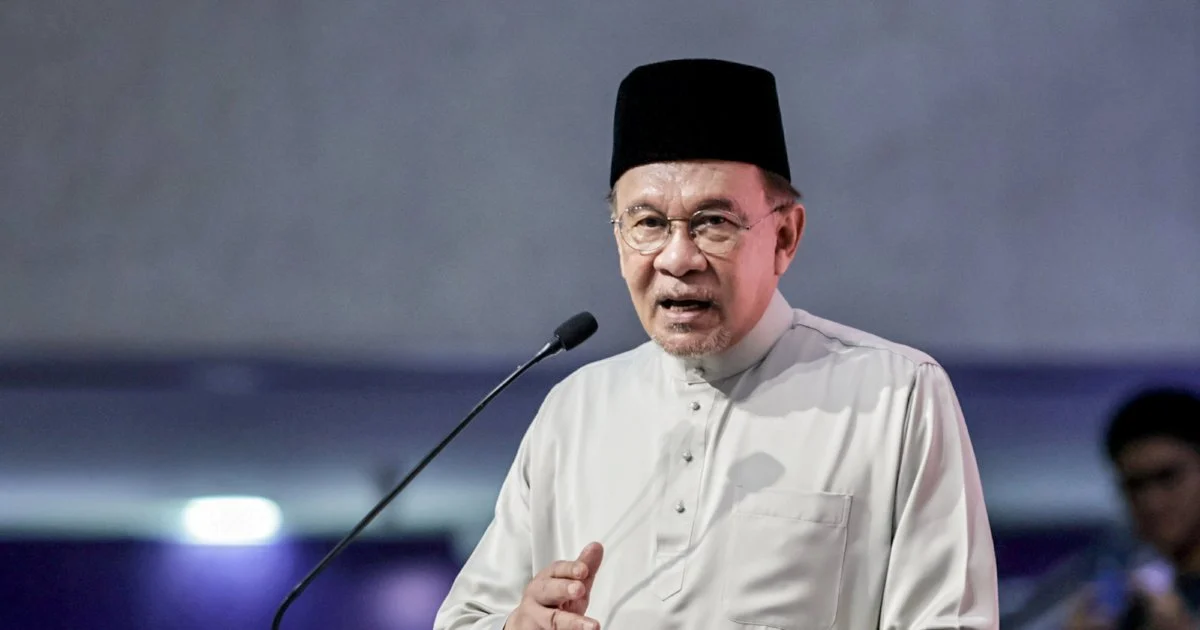
Prime Minister Datuk Seri Anwar Ibrahim met with the Tunku Mahkota of Johor, Tunku Ismail Sultan Ibrahim, in Kuala Lumpur today, with both parties describing the encounter as friendly and productive. The audience between Malaysia's chief executive and the heir to the Johor throne underscores the importance of maintaining strong working relations between federal leadership and the country's most powerful state institutions at a time when the nation faces multiple governance challenges.
The meeting carries particular significance given the elevated profile Tunku Ismail has cultivated in recent years as a prominent public figure and commentator on national affairs. As the Tunku Mahkota, he holds considerable influence not only within Johor but across the broader Malaysian political landscape, commanding respect from diverse constituencies and media attention for his pronouncements on social and economic matters. Such formal audiences between the Prime Minister and royal heirs represent important ceremonial and substantive touchstones in Malaysia's constitutional framework.
The characterisation of the meeting as cordial and harmonious suggests that discussions proceeded without friction or unresolved tensions between the two parties. In Malaysia's contemporary political environment, where power dynamics between federal and state institutions sometimes generate friction, such positive framing carries weight. It indicates that the Prime Minister and the heir to Johor's throne share common ground on key issues or at least maintain a respectful channel for dialogue.
The timing of this audience warrants consideration within the broader context of Anwar's government and its relationship with various power brokers and institutions across the federation. State rulers and their heirs exercise significant soft power and can influence public opinion, particularly within their respective territories. Maintaining good relations with such figures is prudent for any federal government seeking stability and cooperation in implementing policies at the national and state levels.
Johor's position as Malaysia's second-largest state by economy and among the most politically significant adds another layer to this meeting. The state has long played a crucial role in national politics, and the Johor royal family occupies a particularly prominent place in Malaysia's constitutional and ceremonial hierarchy. The Tunku Mahkota, as the future Sultan, will inherit considerable authority and influence that extends beyond his state's boundaries.
Tunku Ismail has demonstrated an active interest in contemporary governance and social issues, frequently engaging with media and public discourse on matters ranging from economic development to national identity. His elevated visibility and willingness to speak on public matters distinguish him from some of his predecessors and peers among Malaysia's royal heirs. This modern approach to the royal role has enhanced his relevance to younger generations and broadened his constituency of supporters.
The formal nature of an audience—as opposed to a casual or private meeting—underscores the official nature of the interaction and its importance to both parties' public standing. Such audiences typically involve protocol and ceremony that reflect the respect owed to senior members of the royal institution by the country's chief political executive. The decision to grant an audience to the Prime Minister also reflects the Tunku Mahkota's acknowledgment of the importance of maintaining cordial relations with federal leadership.
From a governance perspective, such meetings facilitate informal dialogue between high-level officials that can sometimes prove more effective than formal cabinet processes or legislative channels. The Prime Minister gains direct access to the perspective of a key institutional figure, while the Tunku Mahkota receives first-hand insight into federal policy direction and priorities. These personal interactions often lay groundwork for smoother cooperation on specific issues that may require coordination between federal and state authorities.
The meeting also carries symbolic value for Malaysia's democratic and constitutional system. It demonstrates that despite the separation of executive and institutional powers, Malaysia's leadership structures maintain channels for dialogue and mutual respect. In a federation as complex as Malaysia, with its multiple tiers of government and its unique constitutional role for the monarchy, such demonstrations of harmonious inter-institutional relations reinforce public confidence in governance frameworks.
Observers will likely monitor whether this cordial meeting translates into concrete cooperation on specific initiatives or policy areas. Malaysian politics often sees initial warmth between senior figures give way to competition or misunderstanding once substantive matters require attention. The test of this positive engagement will lie in how effectively the federal government and Johor's leadership coordinate on matters affecting the state's development or that require federal-state collaboration.
The meeting reflects broader patterns in how modern Malaysian governance increasingly requires buy-in and cooperation from multiple stakeholders beyond the traditional parliamentary and cabinet structures. Tunku Ismail's elevated public profile means that his views and relationships carry weight with significant portions of the electorate and with the business community. A Prime Minister who cultivates good relations with such influential figures positions his government more favourably for implementing long-term initiatives that require sustained public and institutional support.

