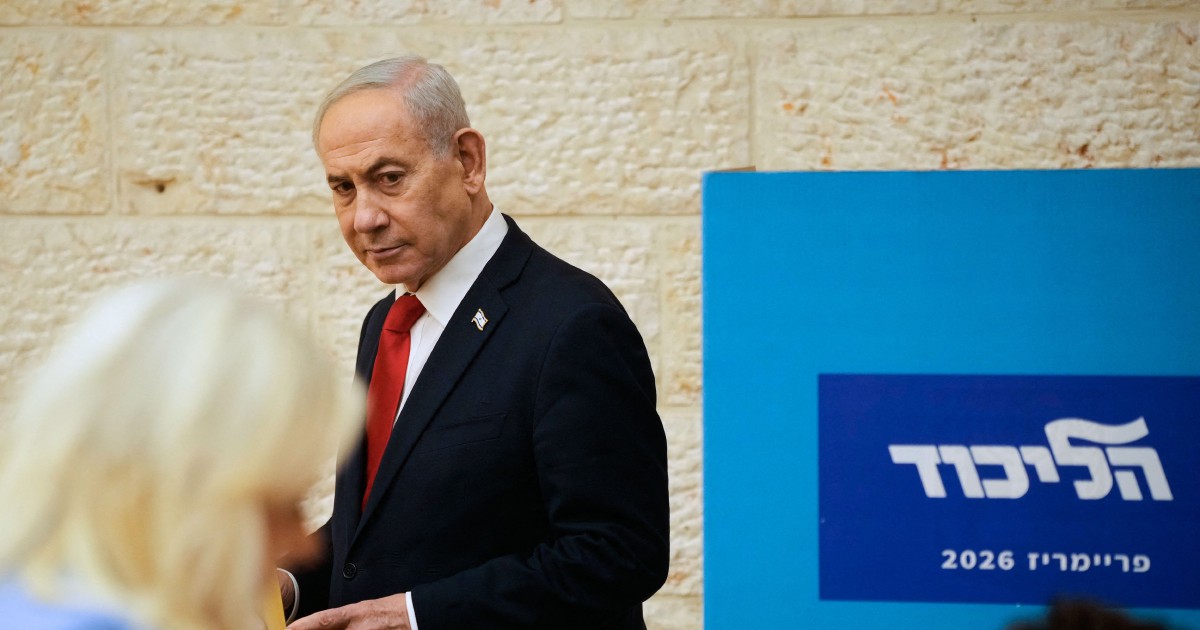
Turkey has taken a significant diplomatic step by issuing an international arrest warrant for Israeli Prime Minister Benjamin Netanyahu, marking an escalation in tensions between Ankara and Jerusalem over humanitarian concerns in Gaza. Justice Minister Akin Gurlek announced the development on Friday through the social media platform X, bringing formal legal proceedings into the disputed territorial waters and ongoing Middle Eastern conflict.
The warrant emerges from Turkish investigations into Israel's interception of an aid flotilla bound for Gaza, an action that has drawn considerable criticism from humanitarian organizations and several governments. Turkey, historically vocal about Palestinian rights and having experienced its own maritime incident in 2010 when Israeli forces intercepted the Mavi Marmara humanitarian vessel, has positioned itself as a prominent advocate for unrestricted access to aid in the besieged territory.
For Malaysian readers and regional observers, this development reflects the broader international response to the humanitarian crisis unfolding in Gaza. The relationship between Turkey and Israel has been complicated and contentious, with Ankara maintaining relatively greater independence from Western aligned positions on Middle Eastern conflicts compared to some other regional actors. Turkey's formal legal action demonstrates how the Gaza situation continues to polarize international diplomacy and create rifts between nations that might otherwise maintain closer ties.
The arrest warrant mechanism represents a tool within international legal frameworks, though its practical enforcement presents significant complications given Netanyahu's status as a sitting head of government. International arrest warrants typically function through Interpol channels and rely on cooperation from signatory nations to the relevant legal agreements. The symbolic weight of such action often carries as much significance as its immediate enforcement potential, particularly in matters involving high-ranking political figures.
Turkey's positioning on Palestinian issues carries particular resonance in Southeast Asia, where regional governments have similarly expressed concern about humanitarian access and civilian protection during conflicts. Malaysia especially has maintained vocal support for Palestinian causes and has repeatedly criticized Israeli policies in Gaza, making Turkey's legal action aligned with sentiments already present within ASEAN discourse on the matter.
The interception of aid flotillas represents a recurring point of friction in the broader geopolitical landscape of the Eastern Mediterranean. Such maritime incidents carry historical weight given Turkey's own experience with the Mavi Marmara incident, which resulted in international condemnation and significantly strained Turkish-Israeli relations. The current warrant suggests that historical grievances combined with present-day humanitarian concerns continue to shape Turkish policy and legal responses.
Israel's government typically justifies such interceptions through security rationales, claiming the need to inspect cargo for items that might be weaponized or used against Israeli citizens. This security-versus-access argument remains central to the broader Gaza blockade debate, with international humanitarian bodies frequently contesting Israeli claims that necessary civilian goods and medical supplies receive adequate passage. The tension between these competing narratives frames much of the contemporary discussion regarding Gaza humanitarian assistance.
For Southeast Asian nations monitoring international legal developments, Turkey's action raises questions about how countries can navigate complex situations where diplomatic allies may clash with humanitarian principles. Several ASEAN members maintain relationships with both Israeli and pro-Palestinian actors, requiring careful diplomatic balancing. The precedent of issuing arrest warrants against sitting government officials based on humanitarian investigations could influence how other nations approach similar situations in their own regions.
The announcement through social media reflects contemporary diplomatic communication patterns, where major policy pronouncements increasingly reach audiences through digital platforms rather than traditional press conferences. This approach allows Justice Minister Gurlek to communicate directly with Turkish citizens and the international community simultaneously, though it also reflects how political messaging has evolved in the social media age.
Turkey's action must be understood within its broader regional strategy, where maintaining credibility on Palestinian issues strengthens Ankara's position within Muslim-majority contexts while potentially complicating its relationships with Western allies who maintain closer diplomatic ties with Israel. This balancing act mirrors calculations many other nations face when responding to developments in the Middle East conflict.
The implications for Malaysia and the broader Southeast Asian region remain largely symbolic at this stage, though they reinforce existing diplomatic fault lines regarding Middle Eastern conflicts. The warrant demonstrates that accountability mechanisms continue to be deployed, however controversially, in international disputes involving humanitarian access and civilian welfare concerns.
Moving forward, whether other nations follow Turkey's legal approach or seek alternative diplomatic channels will significantly influence international discourse around Gaza humanitarian access. For Malaysian policymakers and observers, the development underscores how Middle Eastern conflicts continue generating reverberations throughout global diplomatic systems and how fundamental disputes over humanitarian principles remain unresolved.

