The Philippine capital was struck by security alarm on Monday when a homemade bomb detonated just after midnight outside the Department of Justice building, followed by the discovery of a second suspected explosive device near the Senate complex. The early morning blast caused no injuries and inflicted only minor damage, with authorities releasing images showing a cracked vehicle windshield and scattered debris at the scene. The timing of both incidents—occurring mere hours before President Ferdinand Marcos was scheduled to deliver his State of the Nation address—raised immediate concerns about a coordinated operation targeting the nation's political leadership and institutions during a period of significant internal discord.
National police chief Jose Melencio Nartatez Jr indicated that investigators suspected a connection between the two incidents, suggesting they were not isolated acts but potentially part of a broader threat. Speaking to reporters on Monday morning, the police chief acknowledged that despite having contingency protocols in place for bomb threats and actual explosions, security personnel had failed to prevent the Justice Ministry detonation. He described this as a significant lapse, noting that existing plans covering various scenarios had apparently overlooked the circumstances that enabled the first device to function unchecked. This admission underscored vulnerabilities in the capital's protective infrastructure at a moment when such lapses carry particular weight.
Details about the severity of the initial explosion remained unclear as investigators continued their work. Manila police spokesman Philipp Ines told journalists that authorities could not yet provide specifics about the blast's magnitude, explaining that the investigation was still in its preliminary stages. The visible damage suggested a relatively contained detonation, though the absence of casualties may have owed more to the location and timing than to the device's inherent power. The incident prompted heightened alert status across government buildings throughout the metropolitan area.
The second device, which was discovered before detonating, presented a more complete picture for forensic analysis. A tow truck driver noticed the suspicious object on a street adjacent to the Senate building shortly before 8:30 am and immediately alerted security personnel. Explosive ordnance disposal teams removed the device and its components for examination, recovering materials including a blasting cap, a clock mechanism, and a glass jar containing brown powder. These components indicated the device was similarly constructed as a homemade explosive rather than a commercial weapon, suggesting perpetrators with basic technical knowledge rather than sophisticated military-grade expertise.
The discovery and safe removal of the second device prevented what could have been a catastrophic incident in one of the nation's most symbolically important buildings. Authorities carefully avoided speculating on the destructive potential of the Senate device, with regional spokeswoman Hazel Asilo declining to estimate the explosion it might have generated. The recovered materials underwent laboratory testing to determine their composition and the device's intended force, information that would be crucial in understanding the attackers' objectives and capabilities.
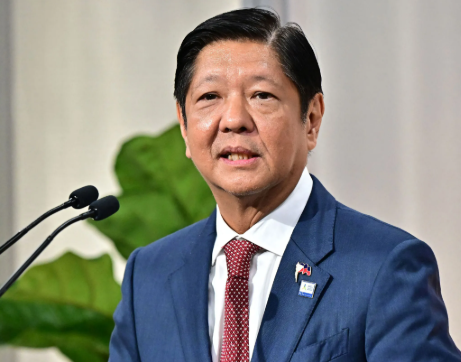
President Marcos proceeded with his State of the Nation address as scheduled despite the security incidents, demonstrating continuity of governance operations even amid heightened threat levels. His decision to proceed underscored the nation's commitment to maintaining normal constitutional processes and avoiding the appearance that security challenges could disrupt the country's political calendar. The address would typically feature an overview of administration accomplishments and policy direction, though the bombings inevitably colored public and international reception of his remarks.
The incidents occurred against a backdrop of roiling political tensions that had already destabilized the nation's institutional environment. Vice President Sara Duterte faced impeachment proceedings even as she maintained significant political support among certain constituencies, creating a fractious divide within the administration's leadership. Simultaneously, voters were grappling with a separate corruption scandal involving fabricated flood control projects, an affair that had eroded public confidence in government integrity and accountability mechanisms. These concurrent crises formed a troubling political landscape in which security threats acquired additional weight.
The bombing incidents raised questions about whether dissident groups might be attempting to escalate confrontation with government institutions, or whether criminal elements were exploiting prevailing tensions to advance unrelated objectives. The sophistication level suggested perpetrators without access to advanced weaponry or explosives networks, though the apparent coordination between two incidents hinted at planning beyond opportunistic action. Authorities faced considerable pressure to establish whether the attacks represented a genuine insurgent threat or a more limited security breach, with significant implications for resource allocation and public safety messaging.
Regional security analysts watching developments in the Philippines noted that Southeast Asia had experienced periodic bomb campaigns linked to separatist movements, criminal enterprises, and ideological actors. Manila's particular vulnerability stemmed from its concentration of government facilities, diplomatic presences, and civilian populations in a dense urban environment. The simultaneous incidents underscored the challenge authorities faced in securing multiple potential targets across the sprawling metropolitan area, especially when employing homemade devices that could be constructed with readily available materials. The incidents would likely prompt reviews of perimeter security, intelligence procedures, and emergency response protocols across the capital's critical infrastructure.
The bombings also highlighted the psychological dimension of such attacks, regardless of their immediate casualties or physical damage. The threat of coordinated explosions targeting the Justice Ministry and Senate, timed to the nation's most significant annual political address, struck at public confidence in state security and governance stability. Such incidents invariably triggered international attention, with foreign governments monitoring whether Philippine institutions could contain the threat and maintain normal operations. The successful delivery of the presidential address despite the bombings offered some reassurance, though lingering questions about perpetrators' motives and potential for further action would occupy security agencies and political observers for weeks to come.
Investigators faced the technical challenge of tracing the devices' origins and identifying their assemblers through forensic analysis of recovered materials and the crime scenes themselves. Security camera footage from areas surrounding both locations would be reviewed to identify individuals involved in placing the devices. Intelligence agencies would coordinate with international partners who maintain expertise in explosive forensics and counter-terrorism operations, particularly given the symbolic nature of the targets. The investigation's outcome would significantly influence the administration's security posture heading into the remainder of Marcos's term, with implications for public safety measures and government continuity planning across the archipelago.

