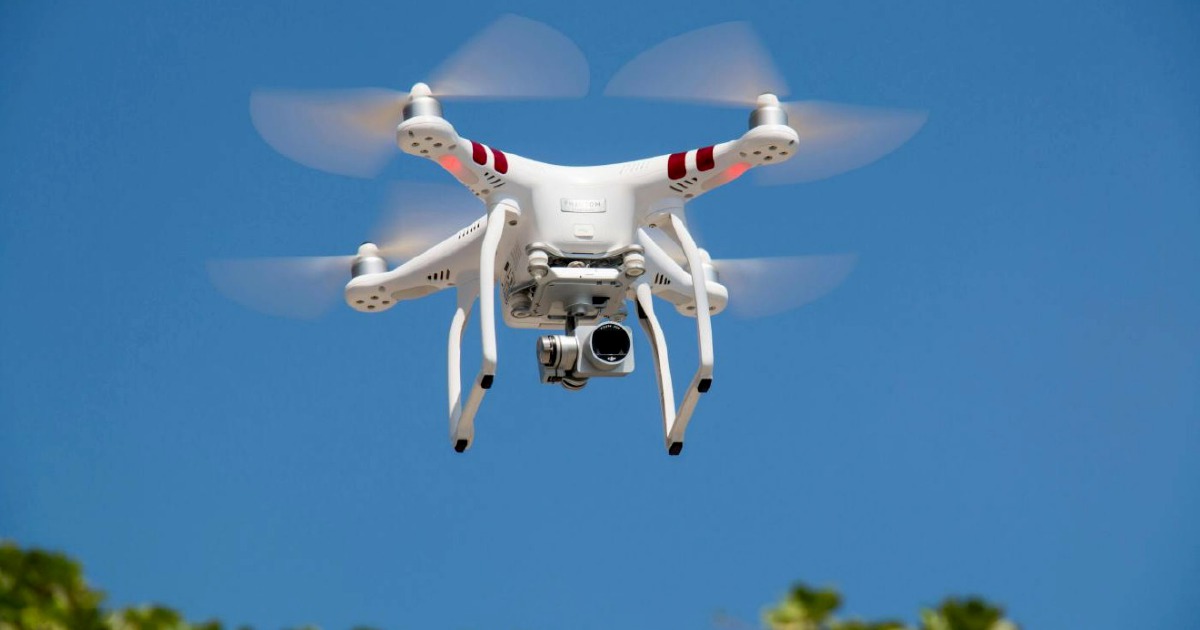
The Melaka police force has escalated its response to prison contraband operations after detaining two suspects linked to an audacious scheme involving unmanned drone technology to penetrate the security perimeter of Sungai Udang Prison. The pair were apprehended during a targeted raid executed at a residential property located in Taman Kris Satria, Sungai Udang, on Wednesday, as investigators closed in on what authorities characterise as an organised attempt to circumvent strict facility protocols.
The resort to aerial delivery mechanisms underscores an evolving challenge facing correctional institutions across Malaysia, where traditional perimeter defences increasingly prove inadequate against ingenious trafficking methods. Drone-based smuggling represents a relatively novel frontier in prison security threats, enabling perpetrators to bypass conventional checkpoints and surveillance infrastructure that guard facility entrances and visitor processing zones. The apparent sophistication of this particular operation suggests involvement from individuals with technical knowledge and connections to external supply networks.
Sungai Udang Prison, functioning as a maximum security facility within the Melaka jurisdiction, maintains responsibility for housing detainees classified across multiple security categories. The facility's strategic importance within Malaysia's carceral system means that any breach in contraband control carries broader institutional implications, potentially undermining inmate discipline and creating secondary markets for prohibited substances within prison walls. Tobacco products, while legal in civilian commerce, constitute particularly sought-after currency in detention environments where normalised consumption patterns persist despite regulatory restrictions.
The infiltration of prison environments with illicit materials remains persistently problematic across regional correctional systems, with investigators regularly uncovering new methodologies employed by organised networks. Such operations typically involve coordinated teams: external actors who procure and launch contraband, individuals stationed near facility perimeters to guide deliveries, and internal contacts among the incarcerated population who receive goods. This tripartite structure creates enforcement challenges requiring simultaneous intervention at multiple operational points, necessitating sustained intelligence work and coordinated police response protocols.
Tobacco smuggling specifically reflects demand patterns within detention facilities, where inmates value nicotine products as both personal consumption items and tradeable commodities. The high frequency with which tobacco materials appear in confiscated contraband inventories indicates sustained prisoner appetite despite rules prohibiting such items. Enforcement mechanisms struggle to eliminate supply chains, particularly when external facilitators possess sufficient motivation and operational knowledge to devise novel delivery techniques.
The deployment of drone technology in this instance signals adaptive criminal methodology responding to improved traditional security measures. Facilities have progressively strengthened physical perimeters, implemented metal detection systems, and enhanced visitor screening procedures, prompting trafficking networks to explore alternative routes. Unmanned aerial vehicles offer advantages including reduced human visibility during delivery windows, minimal physical contact between external and internal parties, and rapid transit times that compress law enforcement response opportunities. These technical advantages explain why such methods increasingly attract criminal entrepreneurs seeking to serve prison markets.
Malaysian correctional authorities have progressively acknowledged aerial infiltration as an emerging vulnerability requiring dedicated countermeasures. Intelligence divisions working within the prison system have begun implementing detection protocols and awareness training to identify unauthorised drone activity. Some facilities have explored technological solutions including radio frequency jamming equipment and enhanced ground-based surveillance, though widespread implementation remains limited by budgetary constraints and technical complexity.
The Melaka police investigation leading to Wednesday's apprehension presumably involved intelligence gathering documenting the suspects' procurement activities, communications patterns, and delivery planning. Standard investigative sequences typically examine mobile phone records, financial transactions, and surveillance footage to establish operational timelines and identify additional network participants. Prosecutors will need to demonstrate clear connectivity between the detained individuals, the drone equipment, and tobacco materials intended for Sungai Udang Prison, construing evidence within frameworks addressing conspiracy and unlawful prison supply provisions.
This incident highlights how modern detention management confronts challenges extending beyond physical facility design and staffing capacity. Organised criminal networks continuously innovate to serve imprisoned clients seeking contraband, creating escalating requirements for technological countermeasures and sophisticated intelligence operations. The successful interdiction by Melaka authorities demonstrates effective police response capability, yet illustrates that determined smuggling networks persistently probe facility defences, accepting occasional operational failures as manageable costs within broader profit-generating schemes.
The broader correctional system context reveals smuggling operations as endemic challenges rather than isolated incidents, with similar contraband seizures occurring regularly across facilities nationwide. Addressing this persistent problem requires multi-dimensional strategies encompassing enhanced security technology, intelligence-led policing operations targeting external facilitation networks, and internal prison management reforms strengthening inmate discipline. The Sungai Udang incident serves as instructive case study demonstrating both criminal ingenuity and enforcement capabilities within Malaysia's evolving correctional landscape.

