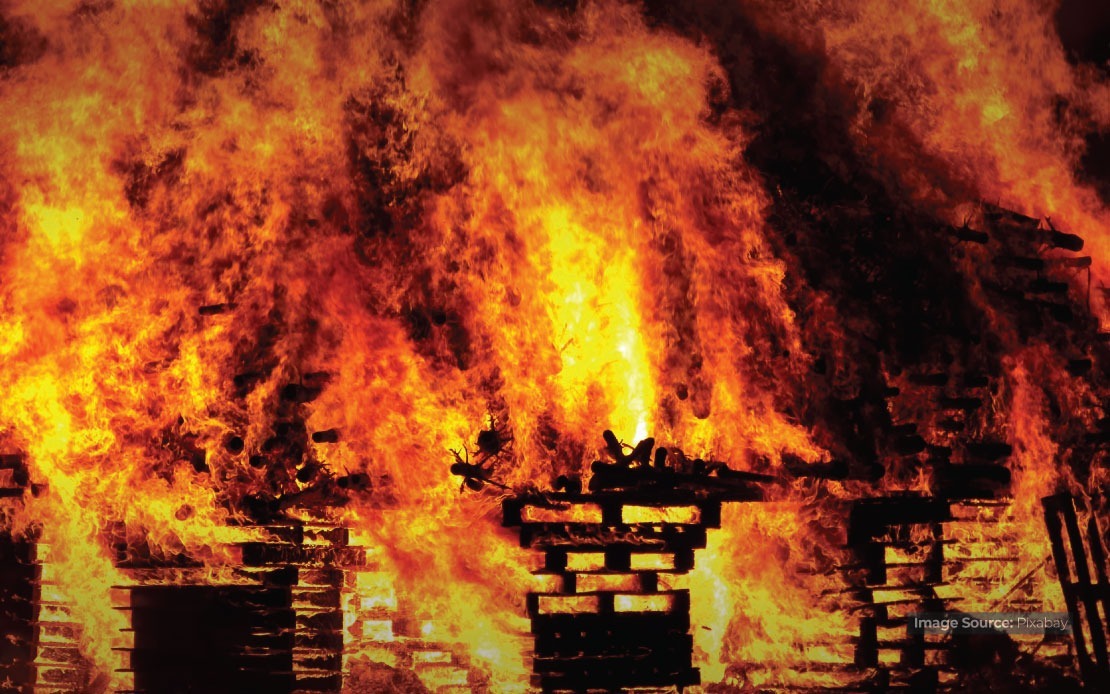
A deadly fire ripped through a residential building in Schaerbeek, part of the Brussels-Capital Region, in the early hours of Sunday, resulting in two fatalities and leaving eight others wounded. The incident prompted an immediate emergency response from local authorities and fire services, with municipal officials declaring a state of emergency to coordinate rescue and relief efforts across the affected area.
According to joint statements issued by Schaerbeek's municipal administration and the Brussels Fire Brigade, the eight injured individuals required hospitalisation at facilities throughout the Brussels region. Among them, two sustained injuries classified as serious, demanding immediate medical attention and ongoing care. The remaining six injured were also transported to various hospitals for treatment and observation as emergency personnel worked to stabilise their conditions at the scene and during transit.
The investigation into what sparked the devastating blaze has only just begun, with authorities acknowledging they cannot yet determine the precise origins of the fire. To expedite this process and ensure a thorough examination, the public prosecutor's office has taken charge of the case and assembled a specialised team comprising laboratory technicians and fire investigation experts. These professionals will conduct a detailed forensic analysis of the building and its contents to reconstruct the sequence of events that led to the tragedy.
Acting Mayor Martin de Brabant responded swiftly to the crisis by activating the municipal emergency response framework, unlocking resources and personnel needed to manage the disaster's broader implications. This decision mobilised municipal services beyond the immediate firefighting efforts, extending support to those displaced by the evacuation and the widespread damage caused by the blaze. The comprehensive activation underscored the severity of the incident and the scale of assistance required.
Beyond the immediate medical response, authorities prioritised the welfare of evacuated residents who had been forced to flee their homes. Municipal services established reception centres and coordinated temporary housing arrangements to ensure that displaced families and individuals had shelter while they assessed the damage to their properties. This logistical operation, running parallel to the emergency response, demonstrated how European municipalities coordinate multiple government and social support systems during catastrophic events.
The joint statement from municipal and fire brigade leadership emphasised a collaborative approach to recovery and assistance. Officials pledged that both the municipality and emergency services would work in concert to deliver comprehensive support encompassing three critical dimensions: medical care for the injured, psychological support for traumatised survivors and witnesses, and material aid to help residents replace lost belongings and navigate the recovery process. This multi-faceted response reflects established best practices in disaster management across developed European nations.
Such residential fires, while not uncommon in urban European settings, underscore the importance of building safety standards, fire prevention measures, and rapid emergency response capabilities. The Brussels-Capital Region, as the administrative heart of Belgium and seat of major European institutions, maintains well-resourced emergency services prepared for incidents of this nature. However, each tragedy prompts reviews of safety protocols and prevention strategies to minimise future occurrences.
For readers in Southeast Asia, this incident illustrates how developed nations structure emergency response systems with clear protocols for victim assistance, criminal investigation, and community support. Malaysia's own fire safety framework, overseen by the Fire and Rescue Department, similarly emphasises rapid response and victim care, though incidents in residential areas remain a persistent challenge requiring continued vigilance from building managers, residents, and authorities alike.
The incident in Schaerbeek serves as a sobering reminder of the dangers posed by residential fires and the critical importance of fire safety education, working smoke detectors, and functional escape routes. As investigation teams work to determine whether this fire resulted from electrical faults, negligence, or other factors, preliminary findings may offer valuable lessons applicable to fire prevention strategies in residential communities across Europe and beyond.

