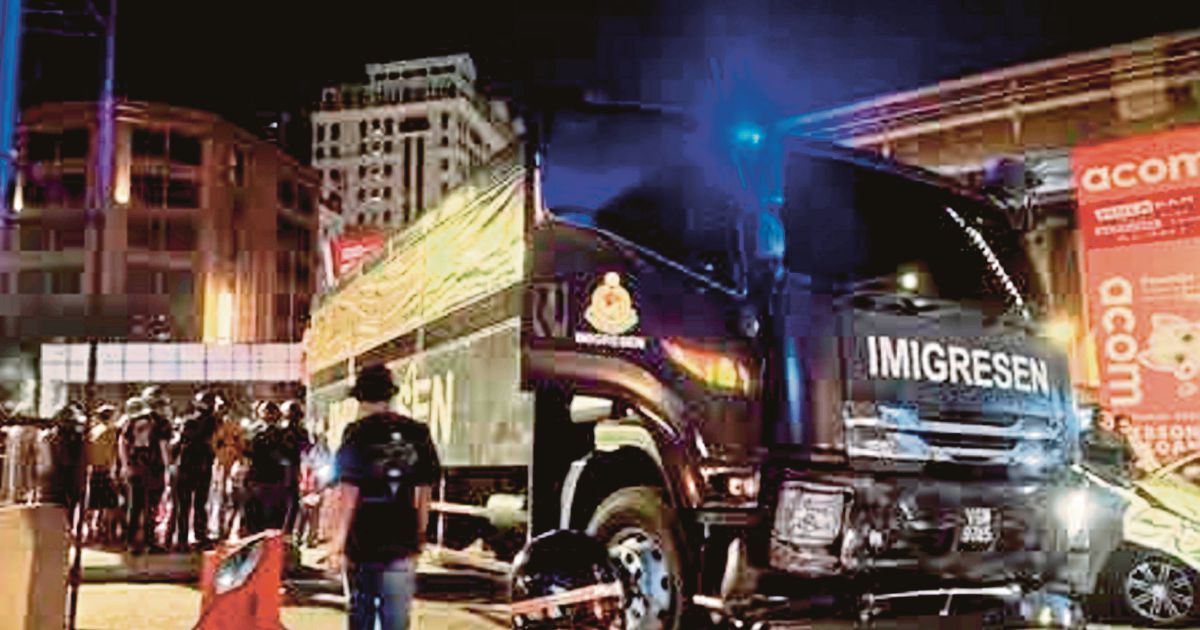
A devastating vehicular collision in Kuala Lumpur's commercial district has resulted in the deaths of three individuals, prompting police to remand two drivers for further investigation. The crash, involving a lorry operated by the Immigration Department, occurred along Jalan Sultan Ismail during the early morning hours and claimed the lives of a father and his two daughters. The remand order signals the start of a formal inquiry into the circumstances surrounding the incident, with authorities examining potential factors including driver negligence, vehicle condition, and adherence to traffic regulations.
The tragic nature of the collision—with an entire family perishing in a single incident—has shocked the public and renewed scrutiny on road safety standards within the capital. Jalan Sultan Ismail, a major arterial route running through Kuala Lumpur's business heart, experiences heavy traffic volumes throughout the day. The occurrence of such a fatal accident along this well-travelled corridor underscores the persistent hazards faced by motorists navigating urban thoroughfares, particularly during hours when visibility may be compromised and driver fatigue becomes a contributing factor.
The involvement of a government vehicle operated by the Immigration Department adds another dimension to the investigation. State agencies and their contractors are expected to maintain higher maintenance standards and ensure their drivers undergo regular safety training. Questions will inevitably arise concerning whether the department's vehicle maintenance protocols were followed, whether the driver possessed appropriate commercial driving credentials, and what pre-journey safety checks had been conducted. Such scrutiny is essential not only for accountability purposes but also to identify systemic gaps that might prevent similar tragedies in the future.
Police investigations into multi-fatality road accidents typically examine multiple variables simultaneously. Forensic teams would have documented the scene, collected physical evidence, and analysed the impact dynamics to reconstruct the sequence of events. The remanding of both drivers indicates that investigators require additional time to establish culpability, interview witnesses, review traffic camera footage if available, and conduct toxicology tests to rule out substance impairment. This methodical approach, though time-consuming, is necessary to build a comprehensive picture of what transpired during those fatal moments.
For Malaysian road safety advocates, incidents of this magnitude provide sobering reminders about the consequences of inattention behind the wheel. The nation has consistently grappled with elevated traffic fatality rates compared to regional and international benchmarks, a challenge attributable to a combination of infrastructure limitations, driver behavioural patterns, and enforcement gaps. When lives are lost in broad daylight on major roads, the spotlight inevitably turns toward whether existing safety measures—including speed restrictions, vehicle condition standards, and driver qualification requirements—are sufficiently robust.
The emotional and social impact of this tragedy extends beyond statistical measures. The loss of an entire family unit within a single incident reverberates through extended family networks and communities. For colleagues and associates of the deceased, the collision serves as a stark reminder of mortality and the fragility of life on urban roads. Such incidents often catalyse conversations within families about defensive driving, journey planning, and the importance of prioritising safety over schedule pressures.
As the investigation progresses, attention will likely focus on establishing whether mechanical failure played a role in the collision. Heavy vehicles like lorries require rigorous maintenance regimens given their mass and braking requirements. If the Immigration Department's vehicle had outstanding maintenance issues or unaddressed safety defects, questions will arise regarding the department's oversight mechanisms and whether appropriate budget allocations had been made for vehicle servicing. This line of inquiry has broader implications for how government agencies manage their vehicle fleets.
The remand period provides police with a crucial window to interview the drivers extensively, obtain witness statements, and cross-reference accounts with physical evidence recovered from the accident scene. Should the investigation reveal that either driver was operating the vehicle in violation of regulations—such as exceeding speed limits, driving whilst fatigued, or whilst under the influence of medications or substances affecting cognitive function—such findings would significantly influence the outcome of prosecutions. The severity of charges lodged could range from careless driving causing death to more serious negligence-based offences depending on the facts established.
Beyond the immediate criminal investigation, this incident will inevitably prompt reviews of safety protocols and enforcement strategies on Jalan Sultan Ismail and similar high-traffic urban routes. Transport Ministry officials may examine whether additional safety infrastructure improvements, enhanced driver monitoring technologies, or stricter compliance audits could mitigate future risks. The collision also serves as a cautionary example for commercial operators regarding the importance of maintaining rigorous hiring standards, ensuring drivers possess adequate rest periods, and implementing fatigue detection measures in fleet vehicles.
The remanding of the two drivers marks a significant procedural milestone but represents only the beginning of a protracted legal and investigative process. As details emerge over coming weeks, the case will likely become a reference point in discussions about road safety reform, adequate resourcing of enforcement agencies, and corporate responsibility in vehicle operations. For the bereaved family, the legal proceedings will be a lengthy and painful journey toward closure. For Malaysian society more broadly, the incident underscores an uncomfortable reality: road accidents remain a leading cause of preventable death, and sustained commitment to safety improvements remains essential to protecting lives on the nation's highways and urban arteries.

