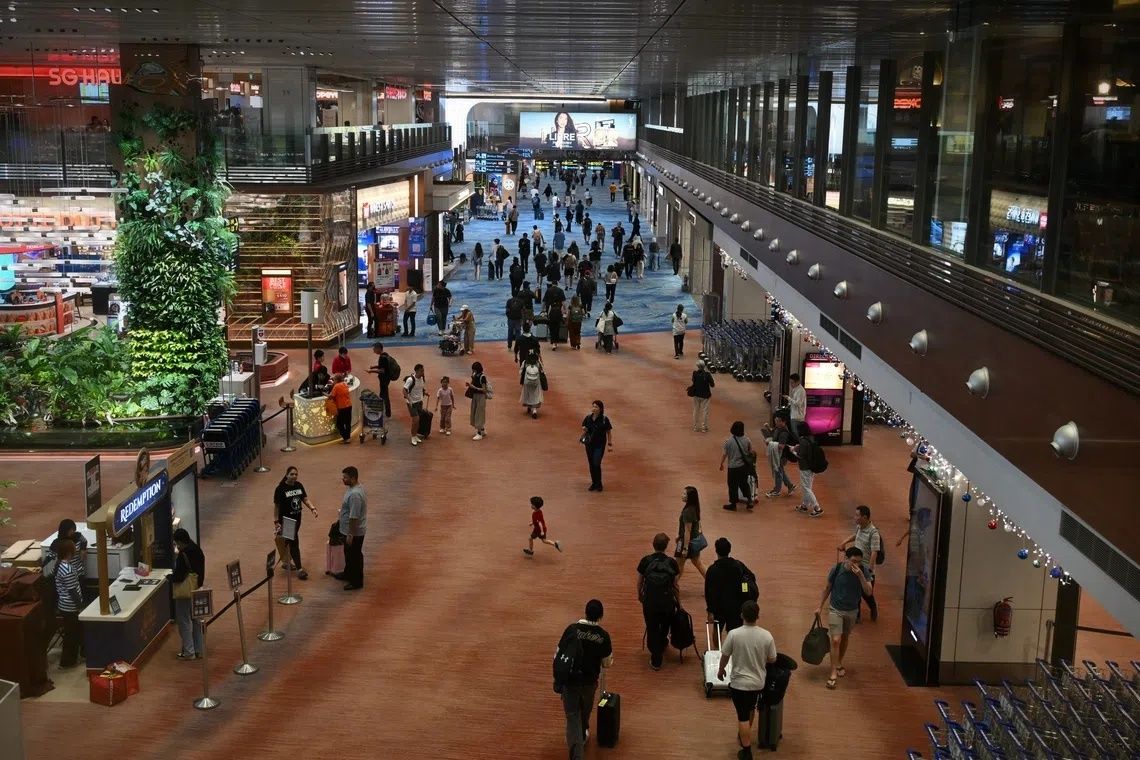
Singapore's police have apprehended two foreign nationals for retail theft at Changi Airport, demonstrating how advanced surveillance technology and persistent investigation can track down perpetrators even months after they flee the jurisdiction. An Australian national, aged 37, and an American traveller, 50, face court proceedings scheduled for August 17 following their separate arrests for stealing fragrances from airport retail outlets. Both men now confront potential jail sentences of up to seven years under Singapore's theft in dwelling statutes, which apply to goods taken from commercial establishments within buildings.
The case involving the Australian man began in November 2025, when security staff at a perfumery outlet in Changi Airport Terminal 2's transit area discovered a display shelf missing two boxes of expensive fragrance. The discovery triggered an internal alert, prompting a review of the airport's extensive closed-circuit television network. Footage analysis identified a man removing the merchandise—valued at approximately $430—around 4.50pm before departing the terminal without completing any purchase. However, the suspect had already left Singapore before authorities could identify and locate him, creating a trail that appeared to grow cold.
The breakthrough came eight months later in August 2024, when the Australian man returned to Singapore and passed through Changi Airport during a transit connection. His arrival triggered an alert in the police database, and officers arrested him on August 4—more than 240 days after the original theft. This delay underscores a significant reality of modern airport crime: perpetrators cannot assume anonymity even after crossing international borders. The extensive coordination between aviation authorities, retail security operations, and law enforcement databases means that repeat or monitored travellers face heightened risk of apprehension regardless of elapsed time.
The second incident unfolded with greater urgency and a different outcome. In the early hours of August 5, staff at a perfume retailer in Terminal 1's transit zone noticed a fragrance box missing from their display. CCTV footage revealed that an American traveller, aged 50, had taken the item—worth more than $310—around 12.40am without payment. Critical to this case was the rapid response: airport security and police managed to locate and arrest the suspect before he could board his connecting flight. This intervention prevented his departure and allowed immediate investigation into broader criminal activity.
Subsequent forensic review of airport surveillance uncovered a pattern of recidivist behaviour. The American suspect had targeted additional retail outlets within the terminal, stealing a second perfume box valued at approximately $170 and a fragrance tester bottle priced above $230 from separate stores. The cumulative loss from his activities exceeded $717, though authorities recovered all three stolen items before the traveller could smuggle them from the airport. This discovery revealed a calculated approach: the individual had systematically visited multiple retail locations rather than acting impulsively at a single point of sale, suggesting deliberate planning during his airport transit.
The serious legal consequences applicable to both men reflect Singapore's zero-tolerance approach toward retail crime in public spaces. The theft-in-dwelling statute carries maximum penalties of seven years imprisonment, fines, or both, making even comparatively modest monetary losses subject to substantial punishment. For international travellers, such charges carry additional consequences beyond incarceration: criminal records create immigration difficulties, visa restrictions, and professional complications affecting future travel and employment across numerous nations.
Assistant Commissioner of Police M. Malathi used the arrests as an occasion to reinforce law enforcement's strategic messaging around airport security. His statement emphasized that technological advancement in surveillance systems has fundamentally altered the calculus of retail theft. High-definition cameras positioned throughout modern airports create comprehensive visual records that transcend temporal and spatial limitations. Critically, he highlighted that successful escape from an airport does not signify successful evasion; ongoing investigation and international cooperation mean that offenders face eventual identification and arrest even months or years after committing crimes.
The cases illustrate the multilayered security infrastructure protecting Changi Airport's retail ecosystem. Beyond physical security personnel and immediate CCTV monitoring, the airport maintains integrated databases linking security incidents with passenger manifests and immigration records. This integration enables authorities to identify repeat or wanted individuals as they pass through border controls, creating a net that captures even transient offenders who believed they had escaped attention. For Malaysian readers and Southeast Asian travellers, the lesson is clear: major international airports operate within sophisticated enforcement environments where actions recorded on video footage can result in prosecution regardless of immediate escape.
The recovery of all stolen merchandise demonstrates that professional airport security teams respond methodically to theft reports. Retailers maintain detailed inventory records and staff training protocols enabling rapid loss detection. Security staff then coordinate with airport authorities and police to locate merchandise before it leaves the premises or passenger custody. This coordination prevents the monetization of stolen goods through secondary sales or duty-free export, which represents the typical motive for retail theft at airports.
Chang's airport police unit has signalled its intention to intensify prevention efforts through enhanced stakeholder collaboration. This includes regular security briefings with retail vendors, upgraded training for identification of suspicious behaviour, and increased patrols during peak transit periods. For travellers transiting Singapore, the implications are straightforward: the airport operates under comprehensive surveillance, theft is detected rapidly, and escape from the jurisdiction provides only temporary reprieve before international apprehension mechanisms activate.

