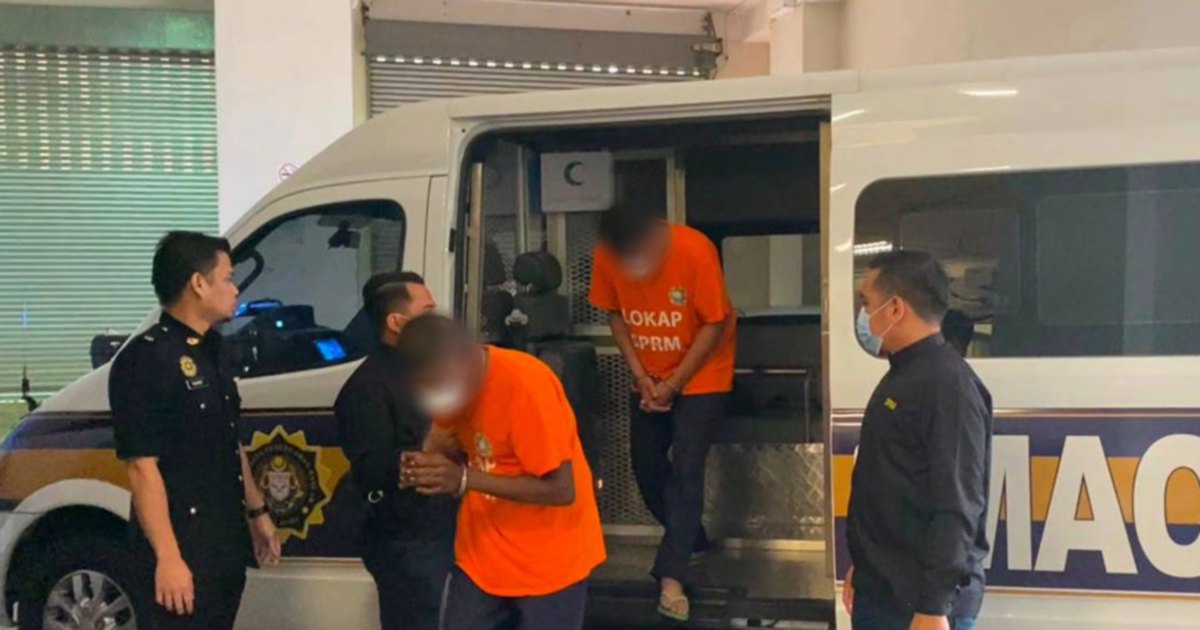
Two highway patrol officers working on the East Coast Expressway 2 have been arrested in Kuantan following allegations that they solicited and accepted bribes from motorists in exchange for ignoring traffic offences. The arrests represent a fresh blow to public confidence in Malaysia's enforcement agencies and underscore the persistent challenge of corruption within law enforcement ranks, particularly in traffic operations where officers interact directly with the public.
The detentions were made as part of an investigation into alleged misconduct spanning activity on the LPT2, a major transportation corridor connecting Klang Valley to the east coast states and serving as a critical link for commercial and leisure travel. The expressway handles substantial daily traffic volumes, making it a high-revenue enforcement environment where opportunities for corrupt arrangements may flourish if oversight systems are inadequate.
Corruption within traffic enforcement agencies damages the legitimacy of road safety initiatives and erodes public trust in law enforcement impartiality. When officers exchange leniency for monetary gain, they create an implicit two-tier system where compliance depends on willingness to pay rather than adherence to the law. This fundamentally undermines the stated purpose of traffic regulation—protecting road users through consistent application of safety standards—and incentivises greater risk-taking among motorists who believe they can circumvent consequences through corrupt payments.
The incident illustrates how hierarchical policing structures can sometimes mask corrupt practices when supervisory mechanisms are weak or when reporting channels discourage officers from revealing misconduct by colleagues. The relatively high profitability of traffic enforcement work, combined with opportunities for discretion in issuing citations and the cash-based nature of many transactions, creates an environment where corrupt arrangements may develop unless institutional safeguards actively prevent them.
For motorists and the travelling public, the discovery of such misconduct raises uncomfortable questions about the integrity of recent interactions with traffic authorities. Those who paid bribes may feel vindicated in their skepticism of official processes, while law-abiding drivers who complied with regulations may harbour resentment at discovering they could have negotiated their way past enforcement. This psychological damage to public compliance affects road safety culture more broadly.
Highway enforcement agencies across Southeast Asia have faced similar corruption allegations in recent years, suggesting the problem reflects systemic challenges beyond individual bad actors. Factors including relatively modest police salaries, inadequate resources for supervision and investigation of internal complaints, and cultural attitudes toward minor rule-breaking all contribute to environments where petty corruption flourishes. Malaysia has made progress through anti-corruption initiatives and institutional reforms, yet individual cases continue to emerge.
The investigation into these two officers will likely examine whether the alleged bribery was limited to isolated transactions or represented part of a broader pattern. Authorities will need to determine how long the conduct persisted, which motorists were involved, and whether other officers participated in or knew of the arrangement. The depth of the investigation will signal how seriously relevant agencies treat such misconduct.
For road users in Malaysia and visitors from neighbouring countries, the arrests reinforce awareness that corruption remains a concern despite ongoing reform efforts. Travellers using the LPT2 may now question whether enforcement decisions result from genuine violations or corrupt negotiations, though authorities will likely seek to reassure the public that the vast majority of officers perform their duties honestly.
The case also highlights the vulnerability of highway enforcement to corruption given its operational characteristics. Officers work in relative isolation, often at night or during low-visibility conditions, with minimal immediate supervision. They collect fines and handle cash, creating opportunities for financial misconduct. Technological solutions—such as automated enforcement systems, dashboard cameras with accountability requirements, and electronic payment methods that reduce cash handling—could mitigate such risks, though they require investment and implementation discipline.
From a governance perspective, these arrests should trigger broader institutional reflection within traffic enforcement agencies about whether current oversight, audit, and disciplinary mechanisms adequately deter and detect corrupt conduct. Professional standards become meaningful only when organisations demonstrate willingness to investigate comprehensively and impose meaningful sanctions on those found culpable. High-profile cases can either undermine or strengthen public faith in enforcement depending on how they are handled.
The implications extend beyond traffic safety into broader questions about institutional integrity and the prevalence of corruption in Malaysian public services. If corrupt officers facing accusations receive fair hearings and proportionate consequences, public trust slowly rebuilds. Conversely, if investigations appear superficial or sanctions minimal, the message reinforces perception that the system protects its own.
Both the Royal Malaysian Police and the transport ministry must ensure that traffic enforcement remains a profession attracting honest personnel and that corruption becomes genuinely costly for those who engage in it. For the travelling public navigating Malaysian highways, these developments serve as a reminder that institutions require constant scrutiny and reform to function with integrity.

